South Africa’s wine tourism is a lively and welcoming adventure, where visitors explore beautiful vineyards framed by ancient mountains and vibrant local culture. With over 500 cellar doors across many routes, it offers affordable, friendly experiences filled with stories, great food, and rich history. The region blends old traditions with modern touches, including black-owned wineries and smart digital tools, creating unforgettable moments beyond just tasting wine. This growing industry supports thousands of jobs and invites everyone to enjoy the unique flavors and warm hospitality of the Cape.
What makes South Africa’s wine tourism unique and successful?
South Africa’s wine tourism thrives on immersive experiences, diverse wine routes, and rich cultural stories. Key factors include affordable access, 522 cellar doors across 23 routes, strong local support, black-owned wineries, and innovative hospitality blending tradition with modern marketing and technology.
A Landscape of Senses and Stories
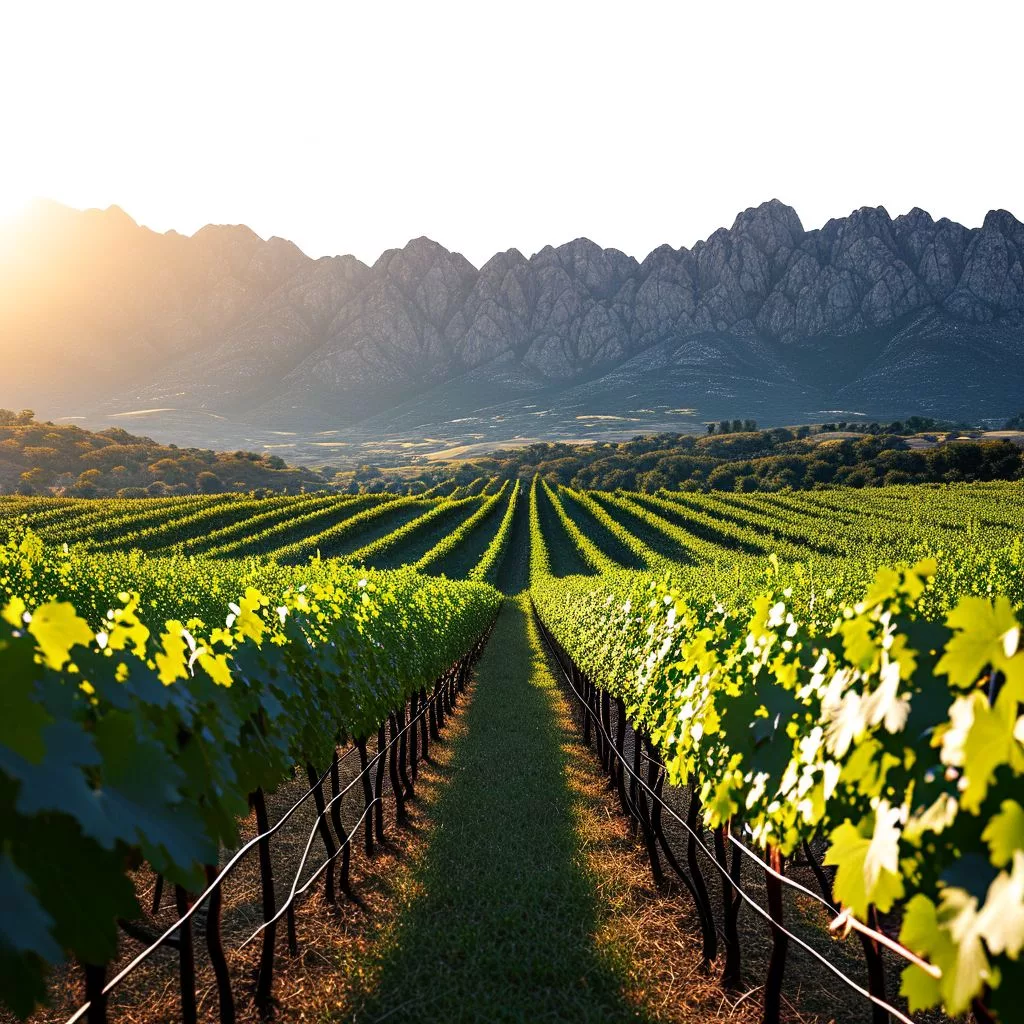
Beneath the shifting sunlight of the Western Cape, vineyards unfurl in precise green ribbons toward the rugged outline of ancient mountains. Here, South Africa’s wine country invites visitors into a world where cultivated rows of vines meet the untamed beauty of fynbos, and the air mingles the aromas of ripe grapes with anticipation. This is a place where wine transcends its liquid form, inviting guests to embark on a journey rich in history, flavor, and narrative.
For decades, South Africa has built a reputation on robust reds and crisp, expressive whites, drawing inspiration from European traditions while forging its own path. Today, the industry stands at a turning point. The focus has shifted from mere production to the holistic experience surrounding wine, recognizing that the memories woven into each visit may well shape the future of South African viticulture.
Few understand this transition better than Daneel Rossouw, Head of Sales for Agriculture at Nedbank Commercial Banking. Rossouw champions wine tourism as the industry’s rising star, suggesting that experiences, rather than exports, hold the key to long-term prosperity. The sheer scale of opportunity stands out – South Africa features 522 cellar doors scattered across 23 distinctive routes, each offering travelers a unique blend of culture, scenery, and hospitality.
The Pulse of Wine Routes and Community
When travelers set out along these scenic routes, they discover much more than tastings and cellar tours. The welcome here feels genuine, and the costs remain invitingly low compared to wine regions like Napa or Bordeaux. This accessibility has not gone unnoticed; the United Nations World Tourism Organization recently recognized South Africa’s wine lands as one of the two premier wine tourism destinations worldwide, a distinction shared only with California’s Napa Valley. This honor is the result of decades spent blending Old World expertise with South African innovation and flair.
Numbers paint a picture of rapid growth and economic significance. In 2022, wine tourism added an impressive R9.3 billion to the nation’s GDP, representing more than 17% of total winery turnover. The sector sustains up to 40,000 jobs during peak months, serving as a vital economic engine for the region. For smaller producers – those micro cellars with annual turnovers below R10 million – tourism provides a lifeline, sometimes contributing up to 36% of their revenue. Larger estates, too, see about a fifth of their income linked directly to visitors, underscoring the value of personal engagement across the industry.
Wine tourism’s impact extends well beyond economics. The country now proudly hosts 81 black-owned wine farms and over 100 black-owned brands. These ventures infuse the traditional wine route with new stories and perspectives, inviting guests to explore both heritage and ongoing transformation. Each visit offers a chance not just to taste, but to learn and connect – bridging gaps between past and present, host and guest, tradition and reinvention.
Creating Unforgettable Experiences
The magic of South African wine tourism lies in its capacity to craft memorable, immersive encounters. Whether it’s sampling a flight in a sunlit courtyard, wandering among ancient oaks, or savoring a meal inspired by local flavors like biltong or Cape Malay spices, these experiences create lasting emotional ties. Research from the 2021 Great Big Wine report by Vintelligence confirms that guests prioritize promotions and special events, but are most likely to return when their senses and spirits have been deeply engaged.
However, as wine tourism flourishes, new challenges emerge. Many wineries have yet to fully capitalize on the power of visitor data. Without collecting contact information, they miss opportunities to build ongoing relationships. Beau Constantia – a boutique estate perched above Constantia Nek – demonstrated the value of data-driven strategy: by securing information from just 5% of their guests, they generated an extra R275,000 in follow-up sales in a single year. This success story highlights the need for even the most storied wineries to embrace digital tools and modern marketing techniques.
South Africa’s wine country continues to attract a global audience. International visitors, particularly from the UK, the US, and Germany, flock to taste what the Cape offers, lured by both the region’s unique terroir and favorable currency exchange. Yet, local travelers form the bedrock of the industry. Two-thirds of wine tourists live less than 40 kilometers from the cellars they frequent, and in July alone, 81% of overnight guests were domestic travelers. The Western Cape’s residents display particular loyalty, with 61% making five or more trips to local wineries each year – a statistic that emphasizes the popularity of accessible, day-long adventures over distant, high-end escapes.
Innovation, Hospitality, and the Path Forward
This rising tide of local visitation has influenced the evolution of the wine tourism offering. While the countryside boasts luxury lodges and stately manor houses, most guests gravitate toward informal, approachable experiences: lunch on a terrace, a stroll through a bustling farm stall, or a vineyard picnic. Many estates now balance sophistication with relaxed hospitality, catering to families and gourmets alike with child-friendly venues and casual eateries alongside traditional tastings.
Meanwhile, South African winemakers continue to earn respect on the world stage. Le Grand Vin de Stellenbosch’s ‘La Grande Sélection’ Cabernet Sauvignon 2022 recently triumphed at the International Wine Challenge in London, outperforming renowned entries from Bordeaux, Napa, and Australia. Such accolades reaffirm the country’s creative prowess – a blend of deep local heritage and outward-looking ambition.
Looking ahead, the future of wine tourism demands continued investment. Wineries must upgrade their infrastructure to welcome guests in all seasons, while staff training should extend beyond wine expertise to include the finer points of hospitality – reading a guest’s mood, narrating the estate’s story, and anticipating every need. Technology, once peripheral, now plays a pivotal role. Digital booking systems, data analytics, and targeted social media campaigns help wineries attract new audiences and nurture lasting relationships with visitors.
Modern marketing has taken on fresh dimensions. Rather than relying solely on brochures or traditional advertising, wineries now harness the power of Instagram and influencer partnerships, creating evocative visual narratives. Every detail, from the first welcome at the gate to a thoughtful follow-up email, contributes to the estate’s brand and each guest’s lasting impression.
Tradition, Fusion, and a Flourishing Future
South Africa’s approach to wine tourism reflects broader global trends toward experiential travel – offering not just exceptional products, but multi-sensory immersion across food, art, music, and nature. The Cape’s culinary scene rivals that of major international cities, while art galleries, sculpture gardens, and outdoor performances now enrich the wine routes, transforming a simple tasting into a day-long exploration.
The region’s story stretches back to the late 17th century, when French Huguenots planted the first vines in Franschhoek. Over generations, their European traditions interwove with indigenous influences and the resourcefulness demanded by a new land. Today, this spirit of fusion continues to define South African wine tourism, celebrating both historic roots and contemporary innovation. Modern estates honor not just European heritage, but the resilience and creativity of local communities, offering visitors something truly singular.
For those ready to adapt and innovate, the future shines with promise. Wine tourism stands not as a sideline, but as a vital driver of stronger brands, improved margins, and enduring stability. Every visit along the Cape’s winding roads, every story shared over a glass of wine, weaves guests into a living tradition – one that connects people, place, and possibility in every pour. As South Africa’s wine country continues to evolve, it does so not by imitating others, but by embracing its own vibrant identity and inviting the world to share in its journey.
FAQ: South Africa’s Wine Tourism Renaissance
What makes South Africa’s wine tourism experience unique compared to other global wine regions?
South Africa’s wine tourism stands out due to its blend of rich cultural heritage, affordable and accessible cellar doors (522 across 23 routes), and the stunning natural landscape framed by ancient mountains and fynbos. The region offers immersive, friendly experiences that go beyond wine tasting by incorporating local stories, cuisine, and vibrant hospitality. Unlike some high-end wine regions, South African wineries emphasize welcoming visitors of all kinds – families, solo travelers, and wine enthusiasts alike – making it a diverse and inclusive destination.
How significant is wine tourism to South Africa’s economy and local communities?
Wine tourism is a major economic driver in South Africa, contributing approximately R9.3 billion to the national GDP in 2022 and accounting for more than 17% of total winery turnover. The sector supports up to 40,000 jobs, especially during peak seasons, and provides critical revenue for smaller producers – sometimes up to 36% of their income comes from tourism. Additionally, the rise of black-owned wine farms and brands has strengthened community ties and promoted inclusive growth within the industry.
What role do black-owned wineries play in South Africa’s wine tourism landscape?
Black-owned wineries and brands are an essential and growing part of South Africa’s wine tourism renaissance. With over 81 black-owned wine farms and more than 100 black-owned brands, these ventures bring fresh stories, perspectives, and innovation to traditional wine routes. They contribute to the cultural diversity and social transformation of the region, offering visitors the opportunity to explore heritage as well as modern reinvention, making each visit a meaningful experience beyond just wine tasting.
How are South African wineries incorporating technology and modern marketing in their wine tourism offerings?
Many South African wineries are embracing digital tools such as online booking systems, data analytics, and targeted social media campaigns to attract and retain visitors. By collecting visitor data, wineries like Beau Constantia have generated significant follow-up sales, proving the value of digital engagement. Social media platforms, influencer partnerships, and evocative visual storytelling are now integral to marketing strategies, helping estates create memorable brand experiences and deepen guest relationships beyond the cellar door.
What types of experiences can visitors expect on South Africa’s wine routes?
Visitors can enjoy a variety of immersive experiences, including wine tastings on sunlit terraces, vineyard picnics, farm-to-table meals featuring local flavors like biltong and Cape Malay spices, and leisurely walks through ancient oak groves or fynbos landscapes. Beyond wine, many estates host art exhibitions, sculpture gardens, and outdoor performances, offering a multi-sensory journey that includes food, music, and nature. The atmosphere tends to be relaxed and family-friendly, balancing sophistication with accessibility.
How does South Africa’s wine tourism honor tradition while embracing innovation?
South African wine tourism honors its roots dating back to the late 17th century with French Huguenot vineyard plantings and European winemaking traditions. At the same time, it incorporates indigenous influences and modern hospitality practices. This fusion creates a unique identity celebrated through award-winning wines – like the internationally recognized Stellenbosch Cabernet Sauvignon – and innovative guest experiences. The industry’s future rests on continued investment in infrastructure, staff training, and technology, ensuring every visitor leaves with a memorable connection to place and culture.
If you’re planning a trip, South Africa’s wine country offers not just exceptional wines but an unforgettable journey rich in history, community, and sensory delight. Cheers to discovering the Cape’s vibrant wine tourism renaissance!