Steenbras: A Reliable Energy Source and Load-Shedding Solution

1 min read
s u

The Steenbras Hydro Pumped Storage Scheme has been a vital resource for Cape Town’s energy supply, providing load-shedding protection and sustainable energy. To ensure the scheme’s longevity, the local government has announced a significant investment of R107 million for refurbishments and maintenance.

Functioning of the Steenbras Hydro Pump Station

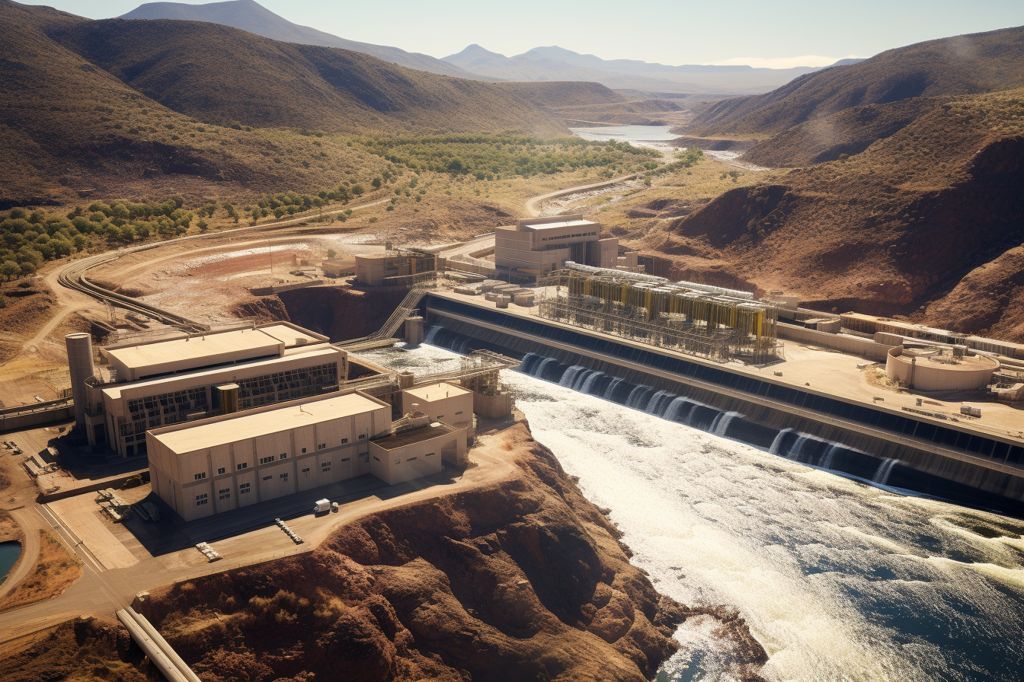
The Steenbras Hydro Pump Station (SHPS) generates electricity by channeling water from the Upper Steenbras reservoir to the Lower Steenbras one. The facility has four turbines that convert the water flow into electrical energy during peak electricity demand. During low electricity usage periods, the turbines reverse their operation, pumping water back into the Upper Steenbras Dam, functioning as a large-scale battery.

Newsletter

Stay Informed • Cape Town

Get breaking news, events, and local stories delivered to your inbox daily. All the news that matters in under 5 minutes.

Join 10,000+ readers
No spam, unsubscribe anytime

Cape Town’s Sustainable Energy Commitment

Cape Town is the only South African city that owns and operates a large pumped hydro-electric scheme, demonstrating the city’s dedication to sustainable energy solutions. The city’s Mayoral Committee has recommended a R107 million investment for the Steenbras project, spread across a 108-month contract, to ensure load-shedding protection and proper maintenance.

Multi-Faceted Approach for Load-Shedding Protection

The plan is to provide load-shedding protection of up to four stages within two years, benefiting all Capetonians and safeguarding critical City infrastructure and the electricity network. The investment in the Steenbras Hydro Pumped Storage Scheme demonstrates the city’s commitment to reliable service delivery and sustainable energy.

The Future of Sustainable Energy Solutions

The Steenbras Hydro Pumped Storage Scheme serves as an innovative model for sustainable energy generation and management. The considerable investment in the refurbishment of this valuable Cape Town asset may inspire other cities in South Africa and beyond to adopt similarly innovative and environmentally-conscious energy solutions.

The Steenbras Hydro Pumped Storage Scheme has been a reliable pillar of support for Cape Town’s energy needs and load-shedding protection. With this new financial backing, the scheme is poised to continue serving the city and its residents for many years to come.

A Russian-Spanish journalist and Cape Town native, channels his lifelong passion for South Africa into captivating stories for his local blog. With a diverse background and 50 years of rich experiences, Serjio's unique voice resonates with readers seeking to explore Cape Town's vibrant culture. His love for the city shines through in every piece, making Serjio the go-to source for the latest in South African adventures.

Leave a Reply

Your email address will not be published.

Previous Story

Gauteng’s Anti-Gang Unit Arrests 73 Gangsters and Secures Three Life Sentences

Next Story

Cape Town’s Approach to Eliminating Sewer Spills

Latest from Blog

From Randburg to the Record Books: How Tyla Rewrote Pop History in 2:45

Tyla, a young artist from Randburg, South Africa, exploded onto the music scene with her song “Chanel.” This catchy tune, made simply on headphones, became a massive hit without biglabel help. Thanks to TikTok and Spotify’s smart playlists, her music found millions of listeners globally. Tyla’s success shows that a great song, shared widely online, can now rewrite music history and reach the top charts, even from far away. She owns her music, giving her power that earlier artists never had.

Cape Town’s “Red Wedge”: How a 900-Metre Airport On-Ramp Became South Africa’s Most Watched Kill-Zone

{“summary”: “The \”Red Wedge\” in Cape Town is a dangerous 900meter stretch of airport road. It’s famous for terrible crimes like carjackings and smashandgrabs, making it South Africa’s most watched ‘killzone.’ This area was poorly designed in the 1970s, which now helps criminals ambush cars. Even with many cameras, police struggle to stop the quick attacks. Now, a big wall is being built, and new tech like drones and special apps are helping to fight back against the robbers.”}

South Africa’s 2025 Beef Surge: When Biology, Red Tape and a Thirsty Planet Collide

South African beef prices shot up in 2025, not because of local good news, but because the world ran short of red meat. Fewer cattle everywhere and China’s pork problems made other countries hungry for South African beef. Even with local sickness and people here buying less, farmers made more money. They sold to new places like the Middle East, using special tricks to get around problems. But the future is tricky, with animal sickness, changing weather, and how much money is worth all playing a part in what happens next for South African beef.

A Province That Won’t Stop Knocking on the Constitutional Door

The Western Cape really wants to break away from South Africa, but it’s super hard because of the law. The country’s main rule says South Africa must stay as one, and changing that is almost impossible. Even though many people in the Western Cape feel left behind and want to control their own future, the government keeps saying ‘no’. So, for now, the Western Cape has to find other ways to get more power without leaving the country.