STEM Code Africa: Empowering Africa’s Youth with Coding Skills

1 min read
stem coding education

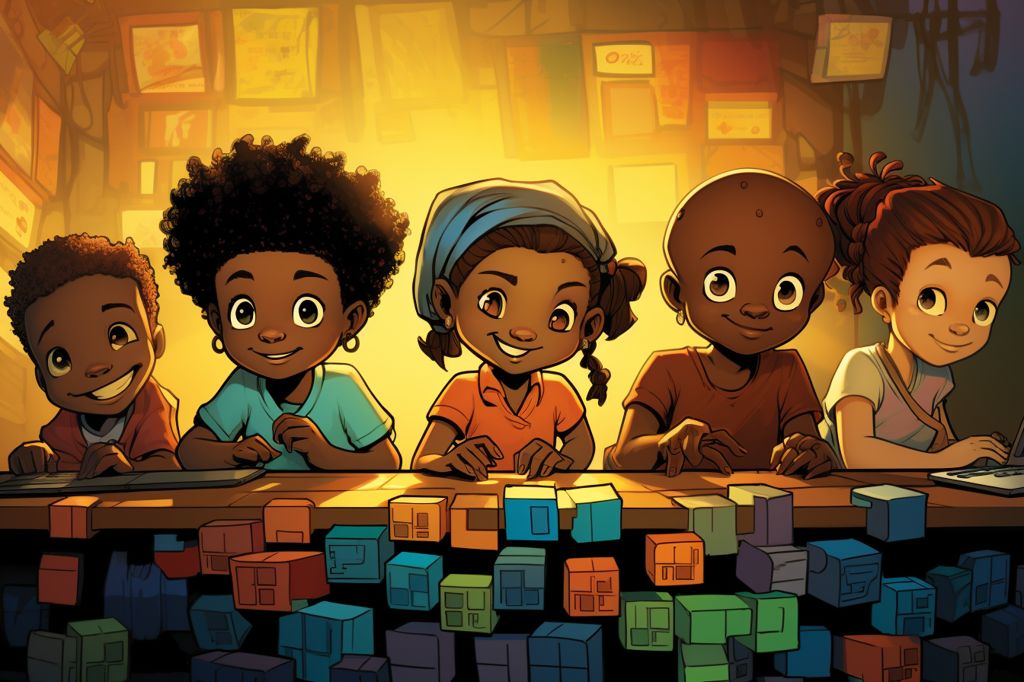
As technology continues to shape our world, coding and development skills have become increasingly valuable assets, especially for future generations. To address this need, STEM Code Africa, an initiative by NGO-Run EdHub App, has partnered with educators from the Khula Education Foundation to make coding education accessible for children across the African continent. Their goal is to provide user-friendly resources that teach coding, web 3.0, artificial intelligence, and machine languages to young learners.

Founder’s Inspiration

STEM Code Africa was founded by Brandon Wilson, a Cape Town-based app developer, who is passionate about empowering youth through education. In 2019, Wilson created the EduHub Android app to support South African schools by providing comprehensive online resources for math, science, and English. This app was initially available to 22 schools in partnership with the Khula Education Foundation and paved the way for the development of STEM Code Africa’s online platform.

Newsletter

Stay Informed • Cape Town

Get breaking news, events, and local stories delivered to your inbox daily. All the news that matters in under 5 minutes.

Join 10,000+ readers
No spam, unsubscribe anytime

Making Coding Fun and Accessible

STEM Code Africa offers engaging content that simplifies coding concepts for children. The platform provides interactive modules with titles like “Dancing Letters” and “Guess the Secret Number” to make coding enjoyable and educational for young learners. Their mission is to make coding and development accessible to all children across Africa, regardless of their location. The organization aims to contribute to Africa’s technological future by preparing the youth for the inevitable advancements in the field.

Importance of Coding Education

Coding is more than just a skillset—it equips children with logical and creative thinking abilities. However, for many families, navigating the world of coding education for kids can be quite challenging. STEM Code Africa recommends starting with Scratch programming, a visual programming language designed for children aged 8 to 11. Scratch simplifies coding, allowing children to create interactive games and programs by connecting code blocks. This makes it an ideal choice for beginners with limited computer science experience.

Making a Lasting Difference

Brandon Wilson’s motivation to enhance educational accessibility stems from his own experiences attending quintile schools in the Western Cape. Through projects like EduHub and STEM Code Africa, Wilson aims to make a lasting difference in the lives of Africa’s youth. By providing free coding courses that are accessible to all, STEM Code Africa has the potential to shape the technological landscape of an entire generation.

STEM Code Africa’s mission is to empower Africa’s youth with coding skills and prepare them for the future. By providing user-friendly resources and making coding education accessible to all children across the continent, they are helping to shape the next generation of African innovators. To learn more about STEM Code Africa and its mission, visit their website and explore the various coding courses available. With organizations like STEM Code Africa leading the way, the future of coding education for Africa’s youth is brighter than ever.

Liam Fortuin is a Cape Town journalist whose reporting on the city’s evolving food culture—from township kitchens to wine-land farms—captures the flavours and stories of South Africa’s many kitchens. Raised in Bo-Kaap, he still starts Saturday mornings hunting koesisters at family stalls on Wale Street, a ritual that feeds both his palate and his notebook.

Previous Story

Crayon Launches High School Art Competition to Raise Awareness About Childhood Cancer

Next Story

Embark on a Culinary Adventure: Must-Try Food in Cape Town

Latest from Blog

A Teenager in a White Coat: How One Student Shattered South Africa’s Medical Age Record

{“summary”: “Imagine a whiz kid, David Obagbuwa, who started high school at 11 and became a doctor at just 21! He shattered South Africa’s medical age record, proving that a sharp mind and hard work can achieve amazing things. From classrooms in KwaZuluNatal to intense medical studies, David tackled every challenge. Even during lockdown, he quickly mastered his courses. Now, he’s ready to help people, showing that big dreams can come true, no matter how young you are.”}

Martian Dust, Carbon ankles & a R4-million Promise: Inside the 2026 Cape Epic’s Mobility Rebellion

Get ready for the 2026 Cape Epic, but this isn’t just any bike race! Three special teams, using amazing robotic legs and carbon ankles, will tackle the tough trails. They’re racing to raise R4 million to buy 200 new prosthetic limbs, 150 wheelchairs, and 50 sports blades for people in South Africa who need them. Every pedal stroke helps someone gain freedom and move again, showing that movement is for everyone, not just a few. This epic journey turns sweat into hope, changing lives one kilometer at a time.

Cape Town’s Shadow State: How Extortion Became the New Township Taxman

Cape Town has a big problem: bad guys are shaking down businesses and projects for money. They act like “taxmen” in townships, making building costs shoot up and forcing small shops to close. These criminals cause fear, stop important work, and even kill people who get in their way. It’s like a shadow government taking over, making life hard for everyone and costing the city tons of money. People are scared, and it’s unclear how this dangerous situation will ever truly end.

The Woman Who Taught Cape Town to Breathe Under Fire

Arlene Wehr taught Cape Town how to fight fires like a boss! She was one of the first women firefighters and totally changed the game. Arlene created cool new ways to find water, like “Operation Liquid Grid,” and made sure everyone had a chance to become a firefighter, even women. Because of her, Cape Town is safer, and the fire department is much more welcoming to all.

Morea House: Where the Atlantic Meets Art, Granite and Ghost-Nets

Morea House is Cape Town’s first fancy Marriott hotel, born from an old 1960s building. It shines with blushpink walls and art made from old fishing nets, making it feel truly special. This hotel is all about local beauty, from its design to its food, and even how it saves the planet. Imagine rooftop pools, unique spa experiences, and rooms where you wake up to amazing views. It’s a place where every detail tells a story of the ocean and the land, making your stay unforgettable.