The Strandfontein Coastal Node Development aims to transform a serene resort area in Cape Town into a unified coastal metropolis, covering 19.5 hectares of mixed-use space. The public is invited to participate in the consultation phase of the project to respect and value the voices of Cape Town’s residents. The development promises to bring residential, commercial, and leisure opportunities, as well as rehabilitated wetland areas and recreational facilities for the community to enjoy. This project symbolizes Cape Town’s commitment to striking a balance between urban development and environmental conservation while fostering an inclusive and sustainable future for all.
What is the Strandfontein Coastal Node Development?
The Strandfontein Coastal Node Development is an ambitious project in Cape Town that aims to transform the serene resort area of Strandfontein into a unified coastal metropolis. The development blueprint covers an expansive mixed-use area of 19.5 hectares, including residential, commercial, and leisure spaces, with potential hotel and conference facilities. The public is encouraged to participate in the project’s consultation phase, which is vital to respect and value the voices of Cape Town’s residents.
The New Chapter in Cape Town’s Landscape
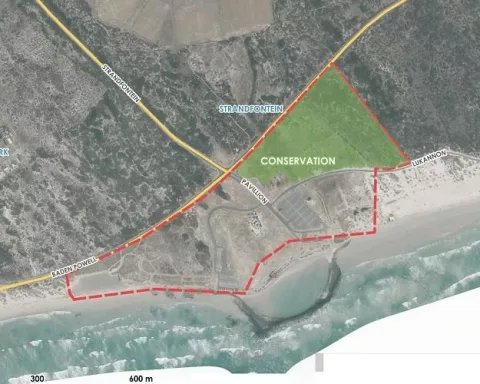
Cape Town, a city known for its picturesque cityscape, is ready to open a new chapter in its history. The initial development blueprint for Strandfontein’s coastal node, a serene resort area nestled north of the tidal pool, pavilion, and the False Bay shoreline, is now open for public examination and opinion. As we ride the wave of this change, the City of Cape Town has extended an invitation to the public to share their thoughts. This move signifies the democratic spirit that is at the core of this groundbreaking undertaking.
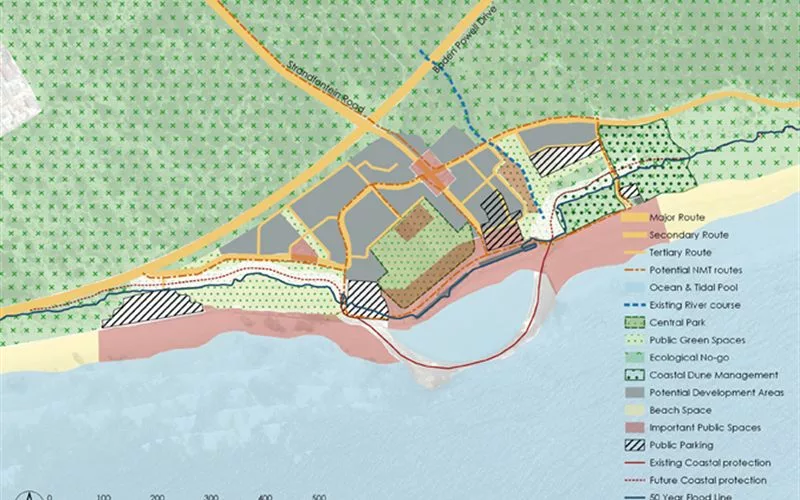
This proposed development covers an expansive area of 19.5 hectares and is an amalgam of mixed-use spaces. It beautifully encapsulates residential, commercial, and leisure areas, promising the best of all worlds. The vision for this development is to transform Strandfontein into a unified coastal metropolis, brimming with residential and commercial opportunities, and even potential hotel and conference facilities.
Imagining Strandfontein’s Transformation
Visualise a flourishing public area where open-air markets bustle with life. Think of recreational facilities peppered with picnic spots, walkways, and terraces that provide the community with places to congregate, unwind, and savour the coastal ambiance. Envision an invigorating natural landscape, featuring rehabilitated and stabilized wetland areas and dunes. The preliminary development blueprint for Strandfontein carries forward the promise of all this, and much more.
However, the journey towards this ambitious vision is not devoid of obstacles. Due to its close proximity to the high water mark, the proposed development falls under the jurisdiction of the National Environmental Management Act’s environmental protection laws. An independent environmental consultant has been charged with performing an Environmental Impact Assessment (EIA) to ensure that the development aligns with the city’s sustainability ethos.
The Importance of Public Participation
The Deputy Mayor of Cape Town, Alderman Eddie Andrews, highlights the vital role of public participation, specifically from the local communities of Pelican Heights and Strandfontein. He underscores the city’s dedication to granting previously marginalized communities access to coastal areas ripe for development, empowering them to benefit from future growth and investment opportunities.
The Strandfontein coastal node project stands as a symbol of Cape Town’s commitment to striking a balance between urban development and environmental conservation. As Alderman Andrews aptly remarks, “Any development should be carried out in a manner considerate to the environment and our natural assets.” Hence, the public consultation phase of the Strandfontein project is not merely a legal requirement but a testament to the city’s commitment to respect and value the voices of its residents.
Get Involved
Residents of Cape Town and interested global participants are urged to dive into the specifics of the proposed Strandfontein Coastal Urban Node Development. To get involved, individuals can register by sending an email to comments@infinityenv.co.za or a WhatsApp message to 0027 60 524 7676. Additional information regarding the project can be found at www.infinityenv.co.za/strandfontein.
As the sun descends on Strandfontein’s current scenery, a new dawn brimming with opportunities awaits. The Strandfontein coastal node development, a bold initiative situated in the heart of Cape Town, promises a harmonious blend of sustainable development and community involvement. It is a critical milestone in Cape Town’s pathway towards an inclusive and sustainable future, and the city encourages its residents to be active contributors to this transformative journey.
A Broader Vision for Cape Town
The narrative of Strandfontein is not merely about the development of a coastal node. It represents the city’s wider vision of crafting an equitable urban environment that respects and celebrates its natural landscape. As this narrative unfolds, the city eagerly anticipates hearing from its residents, inviting them to play an active role in authoring this thrilling new chapter in Cape Town’s urban development saga.
1. What is the Strandfontein Coastal Node Development?
The Strandfontein Coastal Node Development is a project in Cape Town that aims to transform a serene resort area into a unified coastal metropolis. The project covers 19.5 hectares of mixed-use space, including residential, commercial, and leisure spaces, as well as rehabilitated wetland areas and recreational facilities.
2. What opportunities does the Strandfontein Coastal Node Development promise to bring?
The development promises to bring residential, commercial, and leisure opportunities, as well as rehabilitated wetland areas and recreational facilities for the community to enjoy.
3. How is the public invited to participate in the project?
The public is invited to participate in the consultation phase of the project to respect and value the voices of Cape Town’s residents. Individuals can register by sending an email to comments@infinityenv.co.za or a WhatsApp message to 0027 60 524 7676.
4. What is the importance of public participation in the Strandfontein Coastal Node Development?
Public participation is vital to respect and value the voices of Cape Town’s residents. The city is dedicated to granting previously marginalized communities access to coastal areas ripe for development, empowering them to benefit from future growth and investment opportunities.
5. What is the city’s commitment to environmental conservation in the Strandfontein Coastal Node Development?
The Strandfontein coastal node project stands as a symbol of Cape Town’s commitment to striking a balance between urban development and environmental conservation. The city’s dedication to safeguarding its natural assets is evident in carrying out any development in a manner considerate to the environment.
6. Where can I find additional information about the Strandfontein Coastal Node Development?
Additional information regarding the project can be found at www.infinityenv.co.za/strandfontein.