
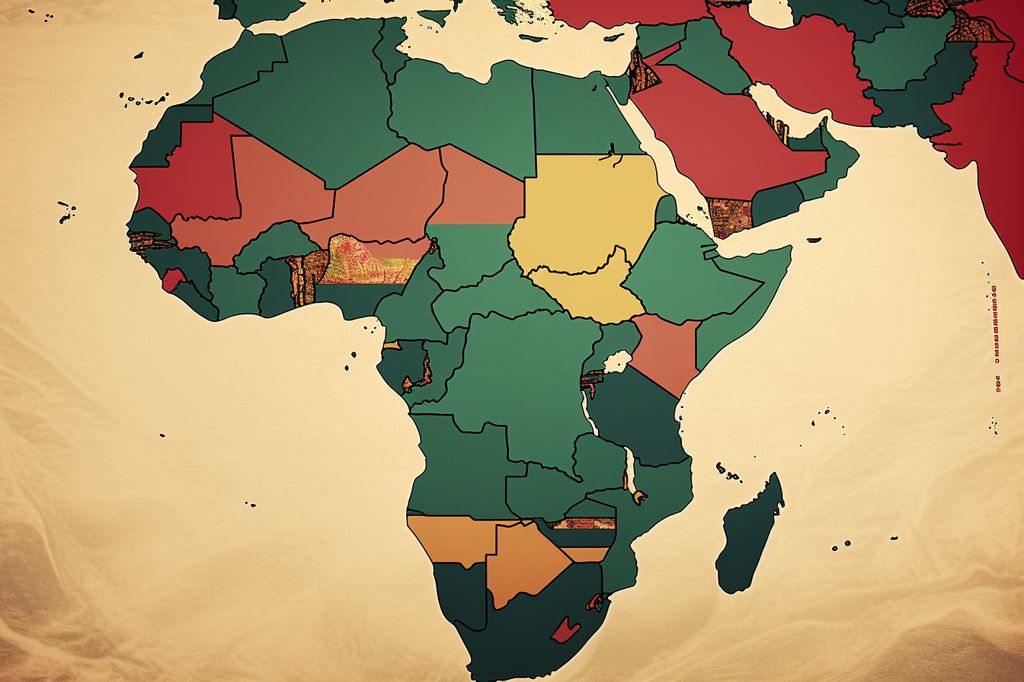
The recent China-Africa Roundtable during the state visit of Chinese President Xi Jinping to South Africa emphasizes the critical role of regional integration in Africa. The discussion highlights how the African Union’s Agenda 2063 strategic framework can improve the continent’s socioeconomic landscape. The agenda seeks to promote the movement of goods, services, people, and capital, ultimately laying the foundation for a prosperous and sustainable future.
South-South Cooperation and Mutual Interests
South Africa and China, both emerging economies, share a Comprehensive Strategic Partnership. They are active members of the BRICS, G20, G77 plus China, and other multilateral formations. The New Development Bank (NDB), based in Johannesburg, plays an essential role in mobilizing resources for infrastructure development in the Global South, including Africa.
Creating a Single Continental Market
The African Continental Free Trade Area (AfCFTA) is a flagship project under Agenda 2063, aiming to create a single continental market for goods and services. The market will facilitate large-scale investments, foster sustainable development, and ultimately improve living standards across the continent. China, through its participation in BRICS, has expressed full support for the South African chairship and the implementation of AfCFTA.
Infrastructural Development and Economic Transformation
The Forum on China-Africa Cooperation (FOCAC) focuses on infrastructural development, transforming Africa’s economic landscape. South Africa has called for a review of all FOCAC projects to determine their implementation levels and address challenges. The country also seeks technical, financial, and capacity-building support for the Presidential Infrastructure Champion Initiative within the Programme for Infrastructure Development in Africa.
China’s Belt and Road Initiative has resulted in new infrastructure investments across Africa, promoting private sector growth, creating jobs, and diversifying economies. These investments also foster innovation and productivity, lower transaction costs, and improve integration and connectivity across the continent.
Empowering African Citizens and Achieving Middle-Income Status
Agenda 2063 focuses on empowering African citizens through improved productivity and building a more integrated and connected Africa. Cooperation between China and Africa will be crucial in supporting the successful implementation of AfCFTA, promoting investment, and developing value chains. Enhancing support for micro, small, and medium enterprises, as well as the informal economy, is crucial for sustainable and inclusive industrialization across Africa.
Collaboration in International Affairs and Multilateral Institutions
Deepening China-Africa ties involves enhancing cooperation in international affairs and within multilateral institutions. China and Africa should advocate for a more equitable world order, underpinned by international law and the principles of the UN Charter. This collaboration should include creating institutional mechanisms that effectively manage global peace and security matters and uphold the rights and interests of the countries in the Global South.
The China-Africa Roundtable provides a significant opportunity to address key developmental challenges specific to Africa. By working hand in hand, China and Africa can create a better future for the continent and its people through regional integration and sustainable development initiatives.