Successful Operation Results in R2.8 Million Abalone Seizure in Western Cape

1 min read
a b

In a recent operation led by Crime Intelligence and Table View police, three foreign nationals were arrested for possession of abalone worth R2.8 million. The operation was intelligence-driven and highlights the ongoing efforts of law enforcement agencies to combat the illegal abalone trade in South Africa.

Intelligence Gathering Leads to Premises Raid

The operation was initiated based on information gathered by authorities about a premises in Eidenburgh, West Beach, Table View, where abalone was being stored. Acting swiftly on this information, the Crime Intelligence and Table View police conducted a raid on the premises.

Newsletter

Stay Informed • Cape Town

Get breaking news, events, and local stories delivered to your inbox daily. All the news that matters in under 5 minutes.

Join 10,000+ readers
No spam, unsubscribe anytime

Significant Discovery and Vehicle Confiscation

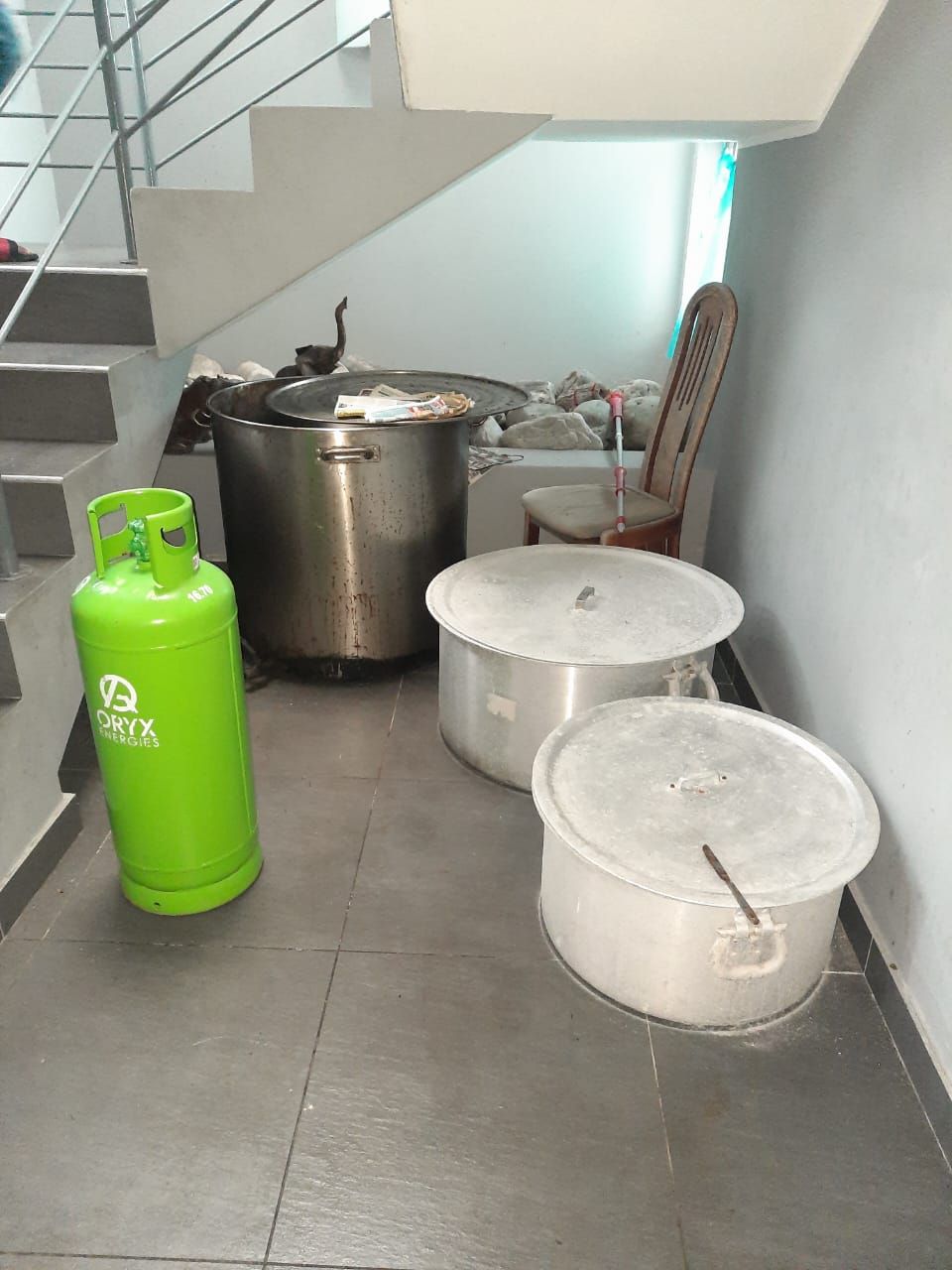
During the raid, the authorities discovered a drying facility containing equipment and 7,855 units of dried abalone. They also confiscated a Land Rover that was presumably used for the transportation of abalone.

Perpetrators to Face Justice

The suspects are currently awaiting formal charges and are expected to appear in the Cape Town Magistrates court. The successful operation underscores the determination of South African law enforcement agencies to crack down on the illegal abalone trade and bring those involved to justice.

Commercial Crime Unit Makes Additional Arrests

In a separate incident, the Commercial Crime Unit arrested four suspects on charges of fraud and theft in Riviersonderend. The suspects allegedly defrauded a complainant at an ATM, resulting in their arrest and appearance in the Caledon Magistrates court.

Relentless Commitment to Tackling Illicit Activities

These incidents demonstrate the unyielding dedication of South African law enforcement agencies in combating various forms of illegal activity. From wildlife-related crimes to financial fraud, the authorities are committed to protecting the country’s natural resources and maintaining social order for the safety of its citizens.

Upholding South Africa’s Marine Resources and Economy

As the illegal abalone trade remains a significant threat to South Africa’s marine life and economy, the authorities continue to work tirelessly to dismantle criminal networks involved in this activity. The recent seizure of abalone and arrests serve as a clear message to those involved in the illegal trade that their actions will not be tolerated.

Support from the Public

It is crucial for the public to remain informed about law enforcement operations and support the authorities in their fight against the illegal abalone trade. Through continued collaboration between various law enforcement agencies and the public, it is possible to reduce the impact of this illegal activity on South Africa’s marine ecosystem and economy. The recent arrests and confiscations are a testament to the tireless work of dedicated individuals committed to safeguarding the nation’s invaluable resources.
A Russian-Spanish journalist and Cape Town native, channels his lifelong passion for South Africa into captivating stories for his local blog. With a diverse background and 50 years of rich experiences, Serjio's unique voice resonates with readers seeking to explore Cape Town's vibrant culture. His love for the city shines through in every piece, making Serjio the go-to source for the latest in South African adventures.

Leave a Reply

Your email address will not be published.

Previous Story

Minister Lindiwe Zulu’s Oversight Visit to NDA Funded Project in Keiskammahoek

Next Story

Sol Plaatje Municipality’s Quest for Long-Lasting Water and Sanitation Solutions

Latest from Blog

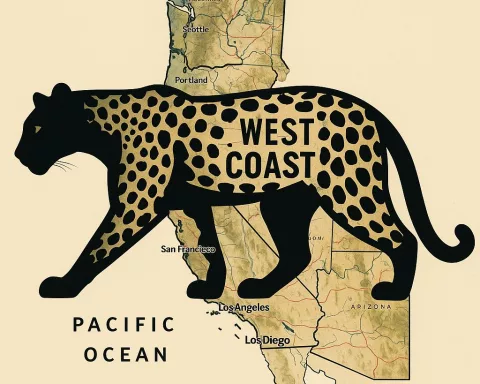
Silent Paws Return: Leopards Reclaim the Cape’s Sandy Frontier

Leopards, once thought gone forever, are making a big comeback on the Cape’s West Coast! Thanks to special cameras and DNA tracking, we now know these stealthy cats are living close to cities and farms. People are learning to live with them, and even farmers are helping. This amazing return shows how humans and wild animals can share the land.

South Africa’s Invisible Emergency – Rewiring the Youth Mental-Health Grid Before the Next Light Goes Out

South Africa’s youth are facing a silent crisis: more young people are dying by suicide than from HIV. This emergency is made worse by not enough money, very few counselors in schools, and big problems getting help, especially for girls with disabilities and the Deaf. We need to fix this fast by putting more money into mental health, training more helpers, and using new ideas like video counseling and phone apps. If we don’t, many more young lives will be lost, and the whole country will feel the pain.

Cape Town’s Saltwater Courtyards: Turning the Atlantic into Your Backyard

Imagine the ocean becoming your own backyard swimming pool! Cape Town has these amazing natural pools, carved right into the granite rocks along the coast. The sun warms them up, and the moon makes sure fresh Atlantic water flows in and out all the time. They’re like giant, free outdoor bathtubs where you can swim, explore sea creatures, and cool off, especially when summer gets really hot. It’s a truly special way to enjoy the wild beauty of the ocean.

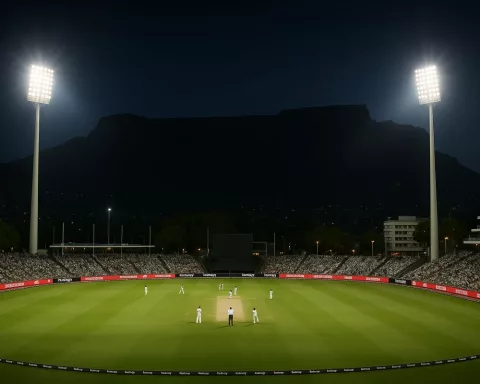
Newlands Roars Again: A Colosseum Ready to Crown or Crush

Newlands Stadium is a super tough place for visiting teams in the SA20. The home team, MI Cape Town, plays like champions there, scoring big and winning almost every game. The crowd is loud and fierce, making it hard for opponents to think straight. Star bowlers like Kagiso Rabada and Rashid Khan make it even tougher, bowling tricky balls that shrink hearts and win games. It’s truly a colosseum where dreams are made or broken.

South Africa’s Lost Generation: When Despair Becomes the Norm

South Africa is facing a huge problem where many young people can’t find work. Over 66% of people aged 1524 are jobless, and it’s even worse than in other countries. This makes life very hard for them, with many struggling to even get enough food. Some leaders want to call this a “state of disaster” to quickly get help and create jobs. They say it’s like a slowmoving storm that’s already causing a lot of damage to the country and its young people’s minds and futures.