The city’s energy teams are getting ready for summer by cleaning up important power stations. This helps keep the lights on when it gets hot and many people use air conditioning. They are also working with people in the community to report problems and keep the power safe. This way, everyone can have a steady power supply all summer long.
Why is it important for cities to prepare their energy infrastructure for summer?
Cities prepare energy infrastructure for summer to ensure reliable power delivery during peak demand. Intense heat, winds, and debris can disrupt electrical systems, leading to outages. Proactive maintenance, like cleaning substations, prevents these issues, enhances safety, and manages increased energy consumption from cooling devices.
Accelerating Readiness: A Citywide Energy Push for Summer
With the summer months fast approaching, the City Energy Directorate is intensifying its efforts to enhance the reliability and safety of the local power network. This year’s summer-readiness campaign involves comprehensive cleanups at important substations across the metro, reflecting a focused effort to shield critical infrastructure from seasonal risks. This initiative rolls out as festive energy surges through the city, underscoring a commitment to community welfare and dependable electricity amid the busiest time of year.
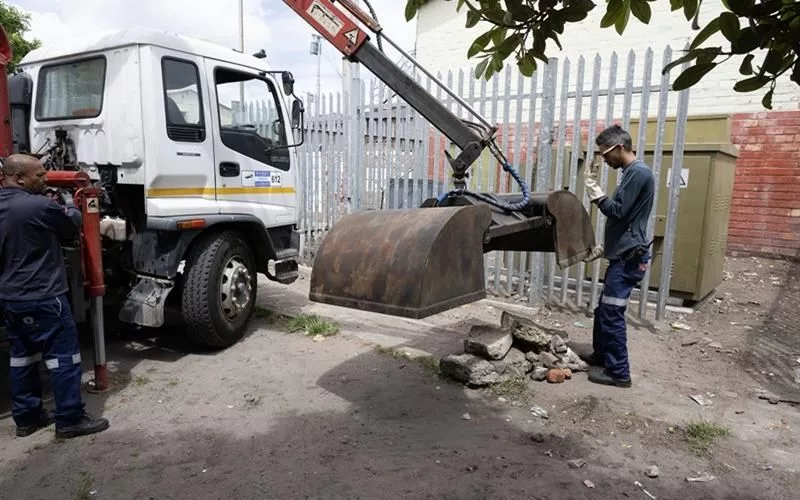
City maintenance teams are tackling substations in neighborhoods such as Pinati Estate, Mowbray, and Melkbosstrand. These operations are part of a robust routine designed to protect sensitive electrical systems from the onslaught of summer hazards – ranging from intense heat and gusting winds to the accumulation of refuse and debris. By addressing these factors early, crews can prevent performance interruptions and create a safer working environment for everyone involved.
Electrical substations do more than anchor city skylines – they are fundamental to stable power delivery for homes, businesses, and manufacturing facilities. As summer advances, heightened winds and soaring temperatures elevate the threat posed by waste, both organic and manmade, that can disrupt vital equipment. Maintenance crews diligently clear substations’ perimeters and interiors, ensuring swift access for technicians and emergency responders, and reinforcing the principles of preparedness and safety.
Community Partnerships: Residents as Stewards of City Infrastructure
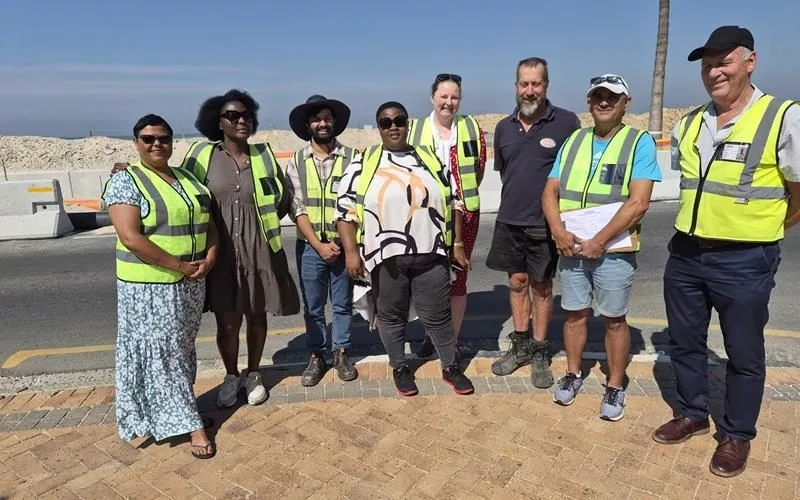
The City’s campaign thrives on strong community involvement. According to Alderman Xanthea Limberg, Mayoral Committee Member for Energy, who joined officials onsite at the Mowbray substation, these cleanups embody the city’s holistic summer strategy. By joining forces with residents, the Directorate seeks to mitigate seasonal hazards and guarantee smooth, continuous power supply when demand peaks.
Public collaboration extends to vigilant monitoring. The Municipality frequently acknowledges citizens for promptly reporting suspicious activity, vandalism, and unauthorized entry at vital sites. Neighborhood alertness constitutes a crucial frontline defense that preserves uninterrupted electricity service and enables municipal staff to intervene effectively.
Looking ahead, city teams have mapped out additional substations identified as potential trouble spots. This dynamic approach allows the campaign to evolve based on changing environmental challenges and feedback from both officials and local communities, aiming for metro-wide coverage and resilience.
Fortifying Security: Combating Threats with ‘Protect Your Power’
The city faces significant risks from more than just weather and waste. Infrastructure crime – including vandalism, cable theft, and illegal connections – drains critical resources and destabilizes power distribution. Last year alone, the City allocated around R62 million to replace assets compromised by criminal acts.
To address these threats head-on, the City has launched an ambitious public awareness drive dubbed ‘Protect Your Power’. This initiative seeks to raise awareness of the cascading effects of infrastructure tampering, which can endanger neighborhoods, stretch municipal budgets, and threaten public safety. The campaign equips residents with practical guidance on how to safeguard their communities and underscores the vital link between vigilance and reliable service.
One centerpiece of this campaign is a direct reporting channel via the Public Emergency Communication Centre (PECC), enabling residents to anonymously tip off authorities about suspicious behaviour around substations by calling 021 480 7700. In concert with continued efforts from law enforcement agencies, this streamlined reporting system enhances the city’s capacity to respond swiftly and stem losses due to criminal interference.
Managing Environmental and Operational Challenges in Summer
Summer ushers in complex demands for urban power networks. Not only do rising temperatures drive up energy consumption as cooling devices run around the clock, but bustling outdoor activity near infrastructure sites heightens the risk of disturbances that could compromise essential services.
Unattended substations clogged with refuse represent more than just maintenance headaches – they carry heightened fire danger, especially in drought-prone regions. Discarded debris doesn’t just impede access; it can also block necessary airflow and insulation for equipment, increasing the risk of overheating during crucial periods. Proactive, strategic cleaning helps mitigate these threats, reduces emergency repair costs, and ensures the city can handle peak electrical loads with greater confidence.
Moreover, thorough seasonal preparation ensures that unforeseen emergencies are less likely to disrupt service across broad swathes of the metro. By prioritizing readiness, the Energy Directorate reinforces the entire system’s endurance when families, businesses, and vital services need it most.
Harnessing Technology and Innovation for Modern Maintenance
While tried-and-true approaches remain at the forefront, the City is exploring forward-thinking technologies to supplement manual cleanups and decrease future debris build-up. Upgraded barriers and reinforced fencing help keep litter and windborne trash out, while anti-graffiti coatings and conspicuously placed lighting offer further deterrence against unwanted activity.
On an even more advanced front, cities worldwide are beginning to deploy smart solutions – such as networked cameras, remote sensors, and IoT devices – capable of monitoring environmental variables and alerting teams to sudden changes, like temperature spikes or unauthorized movements near substations. Although in their early stages locally, these digital additions hold significant promise for transforming routine upkeep and security across the metro’s energy infrastructure.
Embracing these innovations could enable technicians to respond before minor issues become major disruptions, and further streamline maintenance in a city growing more complex each year. The potential integration of such tools reflects the Directorate’s adaptability and long-term vision for sustainable energy management.
Building Shared Responsibility: Education and Engagement
A lasting culture of infrastructure stewardship relies on broad-based engagement. The city’s outreach programs, especially the ‘Protect Your Power’ campaign, work to deepen public awareness regarding the essential nature of substations and the risks posed by neglect or interference.
Educational drive targets all sectors – residents, schools, local businesses – empowering everyday citizens to observe, report, and prevent unsafe practices. By emphasizing why authorized personnel alone should access substations, and how simple measures like proper waste disposal can prevent serious incidents, these campaigns knit stronger connections between individuals and the systems that support daily urban life.
Across some communities, educators join forces with City officials, enlisting students and business owners to monitor local substations and intervene early when something looks amiss. This collaborative vigilance strengthens not only the operational side of city living, but also the sense of collective responsibility that underpins resilient, flourishing communities.
Shaping Resilient Cities: The Path Forward for Urban Energy
Achieving consistently safe and reliable electricity delivery in today’s metropolitan environments demands both structured routines and rapid adaptation. The City Energy Directorate’s seasonal readiness campaigns, backed by community participation, public education, and evolving security measures, provide a working model for other municipalities seeking to navigate similar challenges.
By viewing every stakeholder – officials, residents, businesses – as part of a unified team, the city is better positioned to reduce outages, deter crime, and keep essential infrastructure in optimal condition. The coordinated approach not only strengthens the local grid but also enriches the social fabric, reminding everyone that reliable power – and the quality of life it underpins – depends on their active participation.
Looking to the future, investments in smarter technology, robust civic partnerships, and ongoing education will be key to weathering the intensifying demands of summer and the unexpected surprises of a changing urban landscape. With each season, the city builds on this foundation, reinforcing both its technical capabilities and the shared duty of safeguarding community assets for generations to come.
Why are cities cleaning substations before summer?
Cities clean substations before summer to ensure reliable power delivery during peak demand. The summer months bring intense heat, increased winds, and a higher risk of debris accumulation, all of which can disrupt electrical systems and lead to power outages. Proactive maintenance, like cleaning, helps prevent these issues, enhances safety, and manages the increased energy consumption from cooling devices like air conditioning.
What are the main threats to substations during summer?
The main threats to substations during summer include intense heat, gusting winds, and the accumulation of refuse and debris. Heat can cause equipment to overheat, winds can dislodge materials, and refuse can block airflow, impede access for maintenance, and even pose a fire hazard. There’s also the ongoing threat of infrastructure crime, such as vandalism, cable theft, and illegal connections, which can destabilize power distribution.
Which neighborhoods are involved in these substation cleanups?
Maintenance teams are actively tackling substations in neighborhoods such as Pinati Estate, Mowbray, and Melkbosstrand. This effort is part of a citywide campaign to protect critical infrastructure from seasonal risks and ensure a stable power supply across the metro.
How does community involvement help in maintaining energy infrastructure?
Community involvement is crucial. Residents are encouraged to report suspicious activity, vandalism, and unauthorized entry at vital sites. This public collaboration acts as a crucial frontline defense, helping to preserve uninterrupted electricity service and allowing municipal staff to intervene effectively. The ‘Protect Your Power’ campaign also educates residents on safeguarding their communities and utilizing direct reporting channels for suspicious activities.
What is the ‘Protect Your Power’ campaign?
The ‘Protect Your Power’ campaign is a public awareness drive launched by the city to combat infrastructure crime, which includes vandalism, cable theft, and illegal connections. The initiative aims to raise awareness of the negative impacts of infrastructure tampering, which can endanger neighborhoods, strain municipal budgets, and threaten public safety. It also provides practical guidance for residents and establishes a direct reporting channel via the Public Emergency Communication Centre (PECC) at 021 480 7700 for anonymous tips.
How is technology being used to improve substation maintenance and security?
While manual cleanups are essential, the city is exploring forward-thinking technologies. This includes upgraded barriers and reinforced fencing to prevent debris, anti-graffiti coatings, and conspicuously placed lighting to deter unwanted activity. Additionally, cities worldwide are beginning to deploy smart solutions like networked cameras, remote sensors, and IoT devices to monitor environmental variables and alert teams to issues like temperature spikes or unauthorized movements, allowing for more proactive and efficient maintenance and security.