Supporting Sustainable Agriculture in Mhlontlo Local Municipality

1 min read
s u

The Department of Rural Development and Agrarian Reform (DRDAR) MEC Nonkqubela Pieters recently hosted an Agriculture Sector Imbizo in the AmaMpondomise Kingdom of Eastern Cape. The event aimed to empower the local community with the necessary tools and support for sustainable agricultural practices.

Providing Resources

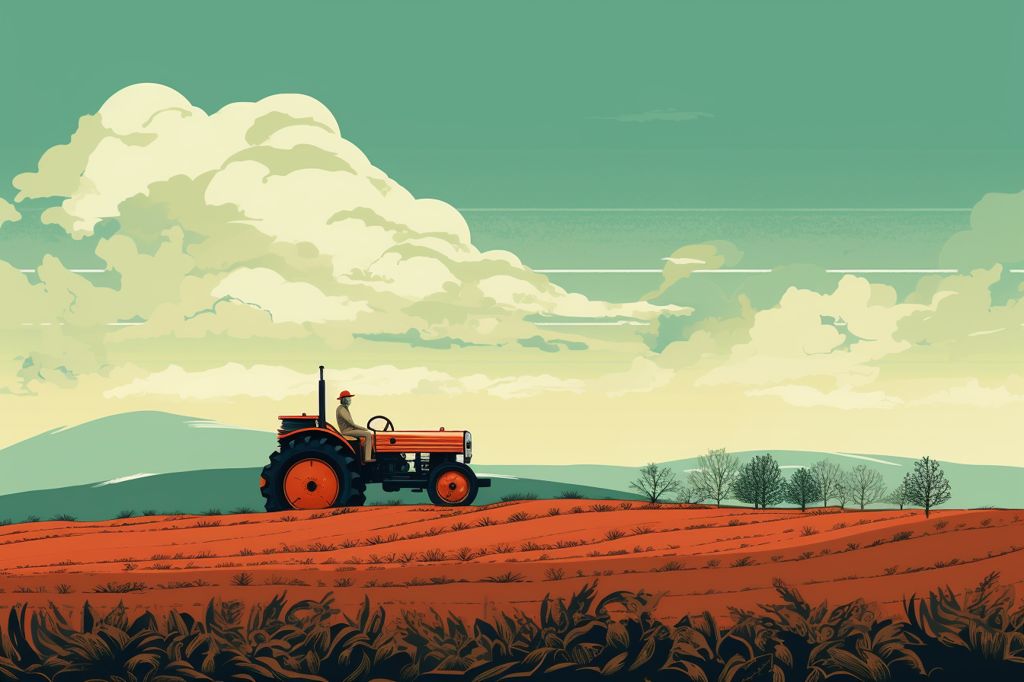
During the Imbizo, a tractor, garden implements, and seedlings were handed over to King Matiwane, fulfilling MEC Pieters’ commitment to provide the resources needed for the community’s agricultural efforts.

Newsletter

Stay Informed • Cape Town

Get breaking news, events, and local stories delivered to your inbox daily. All the news that matters in under 5 minutes.

Join 10,000+ readers
No spam, unsubscribe anytime

Services on Wheels

The Imbizo also offered services on wheels, including animal health education, vaccinations, and castrations. The DRDAR’s Livestock Improvement Scheme supports the OR Tambo Municipality, which has the second-highest population of sheep and the highest cattle numbers. This initiative aims to enhance the commercialization of agriculture in the District Municipality, as outlined in the Agriculture and Agro-processing Master Plan (AAMP 2022).

Livestock Development

During the 2021/22 financial year, DRDAR invested R6 million for sheep and R8 million for cattle across the province. The District farming community received assistance in the form of 305 sheep and 55 cattle, aimed at improving wool and meat production from communal sheep and cattle. In Mhlontlo, farmers were provided with 121 sheep and 36 cattle, valued at R1.3 million.

To further support wool sheep farming productivity, DRDAR constructed ten shearing sheds (5 in Tsolo and 5 in Qumbu) between 2018 and 2022, costing R10.9 million. Additionally, livestock development in the Municipality has seen the repair and desilting of 9 stock dams (R5,494,373), renovation of 7 diptanks (R900,000), construction of four boreholes (R1,585,048), and the building of a feedlot at Mthozela location (R2,193,624).

Crop Production

Crop production has also been a primary focus in Mhlontlo. From 2018/2019 to 2021/2022, DRDAR invested over R20 million, covering 4,578 hectares of land. In the last four years, crop-producing farmers were further supported by fencing off 94km of grain fields across 13 villages, with R4,093,866 in funding.

Household Food Security

In the realm of household food security, DRDAR has supported 3,600 households in the past four years with vegetable production inputs, including seedlings, fertilizer, and chemicals, at a cost of R7.2 million. Rural enterprises have also received backing, with 11 industrial machines delivered in the last financial year and the completion of an industrial site for packaging bottled juice at ward 6.

The Agriculture Sector Imbizo at AmaMpondomise Kingdom demonstrates the commitment of the DRDAR, MEC Nonkqubela Pieters, and the Eastern Cape government to support local agricultural communities. By providing resources, infrastructure, and educational opportunities, they aim to empower farmers, promote sustainable practices, and foster economic growth in the region.


A Russian-Spanish journalist and Cape Town native, channels his lifelong passion for South Africa into captivating stories for his local blog. With a diverse background and 50 years of rich experiences, Serjio's unique voice resonates with readers seeking to explore Cape Town's vibrant culture. His love for the city shines through in every piece, making Serjio the go-to source for the latest in South African adventures.

Leave a Reply

Your email address will not be published.

Previous Story

Empowering Africa’s Climate Resilience through Enhanced International Climate Finance

Next Story

Operation Shanela: A Milestone in the Fight Against Crime in KwaZulu-Natal

Latest from Blog

A Teenager in a White Coat: How One Student Shattered South Africa’s Medical Age Record

{“summary”: “Imagine a whiz kid, David Obagbuwa, who started high school at 11 and became a doctor at just 21! He shattered South Africa’s medical age record, proving that a sharp mind and hard work can achieve amazing things. From classrooms in KwaZuluNatal to intense medical studies, David tackled every challenge. Even during lockdown, he quickly mastered his courses. Now, he’s ready to help people, showing that big dreams can come true, no matter how young you are.”}

Martian Dust, Carbon ankles & a R4-million Promise: Inside the 2026 Cape Epic’s Mobility Rebellion

Get ready for the 2026 Cape Epic, but this isn’t just any bike race! Three special teams, using amazing robotic legs and carbon ankles, will tackle the tough trails. They’re racing to raise R4 million to buy 200 new prosthetic limbs, 150 wheelchairs, and 50 sports blades for people in South Africa who need them. Every pedal stroke helps someone gain freedom and move again, showing that movement is for everyone, not just a few. This epic journey turns sweat into hope, changing lives one kilometer at a time.

Cape Town’s Shadow State: How Extortion Became the New Township Taxman

Cape Town has a big problem: bad guys are shaking down businesses and projects for money. They act like “taxmen” in townships, making building costs shoot up and forcing small shops to close. These criminals cause fear, stop important work, and even kill people who get in their way. It’s like a shadow government taking over, making life hard for everyone and costing the city tons of money. People are scared, and it’s unclear how this dangerous situation will ever truly end.

The Woman Who Taught Cape Town to Breathe Under Fire

Arlene Wehr taught Cape Town how to fight fires like a boss! She was one of the first women firefighters and totally changed the game. Arlene created cool new ways to find water, like “Operation Liquid Grid,” and made sure everyone had a chance to become a firefighter, even women. Because of her, Cape Town is safer, and the fire department is much more welcoming to all.

Morea House: Where the Atlantic Meets Art, Granite and Ghost-Nets

Morea House is Cape Town’s first fancy Marriott hotel, born from an old 1960s building. It shines with blushpink walls and art made from old fishing nets, making it feel truly special. This hotel is all about local beauty, from its design to its food, and even how it saves the planet. Imagine rooftop pools, unique spa experiences, and rooms where you wake up to amazing views. It’s a place where every detail tells a story of the ocean and the land, making your stay unforgettable.