Cape Town is a vibrant treasure chest of nature, known for its amazing plants and animals. The city is committed to protecting this natural beauty through a special plan that blends city growth with environmental care. This plan helps keep Cape Town’s unique ecosystems safe while inviting residents to share their thoughts on how to improve it. As the city looks to the future, it stands proud as a leader in conservation, showing that urban life and nature can happily coexist.
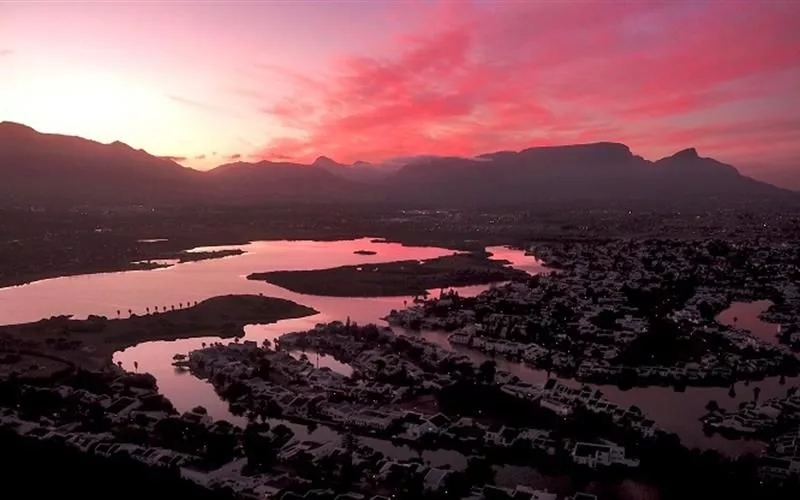
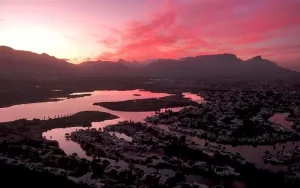
Cape Town is a stunning city where mountains meet the sea, bursting with incredible plants and animals found nowhere else on Earth. Known as the most biodiverse city in the world, it proudly protects its unique nature through plans like the Biodiversity Spatial Plan. This plan helps Cape Town manage its natural spaces while keeping the city growing. By involving its community in caring for the environment, Cape Town sets an inspiring example for cities everywhere, showing that people and nature can thrive together.
South Africa’s National Gardens Week, happening from March 10 to March 16, 2025, is a vibrant celebration of the country’s stunning nature. Organized by the South African National Biodiversity Institute (SANBI), it offers free entry to beautiful botanical and zoological gardens, inviting everyone to explore and appreciate the rich variety of plants and animals. With the theme “Grow Your Joy,” this week encourages people to connect with nature through activities like yoga, guided walks, and educational programs. As visitors wander through lush landscapes, they not only find peace and joy but also learn about the importance of protecting these precious ecosystems for future generations. Join the celebration and discover the wonders of South Africa’s natural beauty!
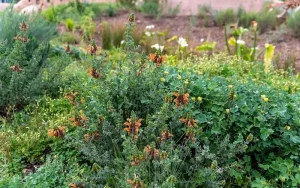
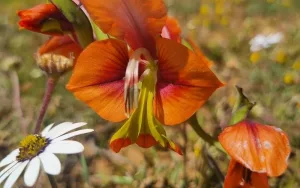
The Majik Forest Renosterveld Garden is a breathtaking sanctuary in Durbanville, Cape Town, showcasing the diversity of local indigenous wildflowers and symbolizing a united pledge to conserve our natural inheritance. The garden is a result of a collaborative effort between public sectors, community groups, and artists. It serves as an interactive stage for the public to learn about the iconic plant species of the Greater Tygerberg Hills and promotes the use of native species in conservation efforts. The garden is a harmonious narrative of coexistence between nature, art, and community collaboration, paying tribute to South Africa’s rich biodiversity and natural beauty.
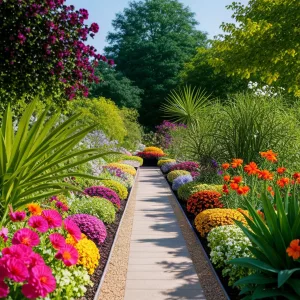
Cape Town’s ‘No Mow’ initiative transforms public areas into a vibrant display of spring flowers and indigenous vegetation from August through November. This initiative fosters critical environmental processes and contributes to the larger ecological puzzle by creating resilient networks of varied habitats. It invites a diverse population of fauna, including birds, butterflies, moths, and bees, each adding their unique touch to this vivid scene. The initiative represents a deliberate shift towards greener and more sustainable methods, highlighting the city’s dedication to preserving its local biodiversity.
A Tale Interwoven with Identity, Heritage, and Diversity: The Chidimma Adetshina Story
The Chidimma Adetshina Story is about a beauty queen who is navigating a complex situation involving her identity and heritage. Chidimma embodies resilience and optimism as she faces challenges related to her citizenship and multicultural background, while advocating for diversity and inclusion. Her story highlights the importance of understanding, recognizing, and embracing diversity in our multifaceted identities, and her message encourages us to be included, celebrated, appreciated, loved, and accepted.
The upcoming elevation of Justice Maya represents a historic change in South Africa’s judicial landscape, instilling hope and empowerment for women across the nation. South Africa’s judiciary is about to witness a pioneering moment as Mandisa Maya prepares to become the first black woman to preside over the Constitutional Court. Maya’s appointment as Chief Justice, effective August 31, 2024, follows her groundbreaking role as the first woman to head the Supreme Court of Appeal. President Cyril Ramaphosa recognized Maya’s potential to contribute to the transformation of the judiciary, calling her ascent to the apex court a beacon of determination and transformation towards gender equality.
The Miss South Africa 2024 pageant is just around the corner and the excitement is palpable. 16 remarkable women from across the country will compete for the crown, each exemplifying the diversity, power, and spirit of modern South African women. The contestants’ profiles were showcased in the reality series, Crown Chasers, adding a touch of realism and personal connection to the competition. These women bring unique narratives, compelling aspirations, and fervent determination to claim the soughtafter crown. The stage is set, the stakes are high, and the crown awaits its deserving queen.
Artists and athletes from Africa and Asia are unhappy with the high rate of Schengen visa rejections, which they liken to ‘global apartheid.’ They say that it disproportionately affects countries where people struggle to pay the visa fees, making it harder for them to access international opportunities. High fees and rejection rates could lead to a lack of diversity in art and sports, as talented people from certain regions may miss out.
The Big Biodiversity Challenge is a competition for students in Grades 6 to 9 to come up with innovative solutions to environmental issues threatening biodiversity. The challenge is a joint effort by several organizations in the Western Cape, aimed at inspiring the next generation of environmental custodians. Students can participate solo or in teams, with the chance to win exciting prizes. The competition provides a unique opportunity for young minds to become part of the solution to environmental issues and take a proactive approach towards ecological responsibility.
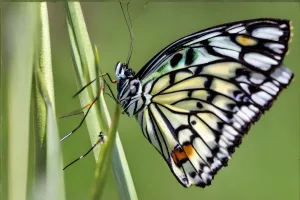
The endangered Barber’s Cape Flats Ranger butterfly, with a population of only fifty, is found exclusively in Strandfontein and is under threat due to plans for a multilevel development project in the area. The proposed development could increase traffic, which is already causing butterfly deaths due to collisions and pollution, leading to the loss of the butterfly species and disturbing the ecological function of the area. The potential consequences of these development plans go far beyond the butterflies, affecting other animals that inhabit the increasingly fragmented habitat and calling for immediate conservation actions.
South Africa has been named one of the top 10 most beautiful countries in the world by Rough Guides, thanks to its unique diversity and mix of landscapes, cultural panorama, worldclass wines, affable locals, and delectable cuisine. The recognition is a reminder of the abundant beauty that exists in every corner of the world and should inspire us to explore, appreciate, and safeguard the breathtaking diversity of our planet. South Africa, with its dynamic complexity and stunning natural wonders, stands as a shining example of this universal appeal.
Get ready to embrace the beauty of Cape Town’s biodiversity by participating in the global City Nature Challenge from April 26 to 29, 2024. All it takes is a snapshot of indigenous flora or fauna uploaded to the iNaturalist app, and Cape Town’s rich natural preserves and conservation zones offer abundant options for observation. Beyond a competition, this challenge is a chance for residents and tourists to marvel at the city’s ecological wealth and contribute to a colossal record of local wildlife data.
Cape Town is participating in the 2024 City Nature Challenge, inviting residents and tourists to showcase its rich biodiversity to a global audience. Participants can use the iNaturalist app to log various plant and animal species, contributing to citizen science. The challenge offers an educational opportunity for the younger generation and encourages community involvement in environmental stewardship.
A recent controversy over racial stereotypes at Curro Holdings, a prominent player in South Africa’s education sector, has highlighted ongoing struggles in creating an inclusive and diverse environment. The institution’s swift response to address the situation and reaffirm its commitment to diversity and nonracialism underscores the need for continuous dialogue and education on racial sensitivity and inclusiveness in South Africa’s educational community. Despite persistent challenges, institutions like Curro Holdings have an opportunity to reflect, learn, and take proactive measures to foster an inclusive and diverse atmosphere reflective of South Africa’s socially diverse and vibrant character.
Conservationists are working to save the unique Clanwilliam sandfish from extinction by rescuing young fish from the Biedouw River and relocating them to dam “nurseries” on private farms. Thanks to this initiative, hundreds of sandfish have returned to the river to breed, indicating a positive impact on their population. The success of this collaboration between conservationists, farmers, and community members serves as an example of the power of preserving biodiversity and the interdependence of all life forms.