In Cape Town, there’s a growing call for supercar drivers to have a special licence to ensure safety on the roads. Recent accidents, including a highspeed crash involving a flashy McLaren, have sparked serious concerns about drivers’ skills and responsibility when handling such powerful machines. A special licence would require advanced driving skills and could lower accidents, making the roads safer for everyone. By learning from places like Australia and the UAE, Cape Town can create rules that protect both supercar owners and the community, turning the thrill of speed into a safe and responsible experience.
Redlight running on city roads is rising fast, with nearly half more drivers ignoring stop signals than before. This dangerous trend comes from more speeding, distracted driving, and a fading respect for traffic rules. When people chase just a few extra seconds by running reds, they risk crashes that harm many, including innocent pedestrians. Law enforcement is working hard, but safety really depends on all drivers choosing to follow the rules and care for each other on the road.
Women in the Western Cape are changing road safety by leading with both strength and kindness. They don’t just enforce the law they educate drivers, listen, and build trust with the community. These female officers inspire others by showing that keeping roads safe is about teamwork and understanding, not just rules. Their work is making the streets safer and opening doors for more women to lead in traffic enforcement.
In March, Cape Town’s famous musician 3GAR crashed his expensive McLaren on a busy road, caught on clear CCTV, but no charges followed. This silence from the police sparked anger and debate about whether celebrities get special treatment. While 3GAR shared his recovery online, many worried that justice was being delayed because of his fame. The crash became a symbol of bigger problems—how fame, power, and law in Cape Town struggle to balance fairness and accountability.
Road Safety Alert: Western Cape Government Urges Motorists to Adhere to Speed Limits
The Western Cape Government is urging all drivers to stick to speed limits for everyone’s safety. With a long weekend coming up, they want everyone to drive carefully to avoid accidents and keep lives safe. Recently, speeding has become a big problem, with many fines issued and some drivers reaching dangerous speeds. The government reminds us that safe driving is crucial, not just during holidays but every time we get behind the wheel. Let’s all promise to drive responsibly, protect ourselves, and look out for others on the road!
South Africa’s roads are dangerous, with many accidents caused by human mistakes like reckless driving and speeding. In the 2024/25 festive season alone, over 1,500 lives were lost, highlighting the urgent need for better laws and education about road safety. Problems like unfinished road projects and inconsistent licensing make the situation worse, putting everyone at risk. To change this, the country must work together to improve laws, teach kids about safe driving, and use technology to prevent accidents. With strong commitment and teamwork, South Africa can transform its roads from danger zones into safe paths for everyone.
South Africa is taking a big leap into the future with digital driving tests, set to start a pilot phase in 2025. This exciting change will use smart technologies like geofencing and biometric ID to make driving tests safer and fairer. By shifting from paper to digital, the country aims to cut down on cheating and make the process quicker and easier for everyone. As South Africa embraces this new way of testing, it hopes to create a safer driving culture and inspire other nations to follow suit. This move is all about progress, bringing technology closer to the lives of South Africans!
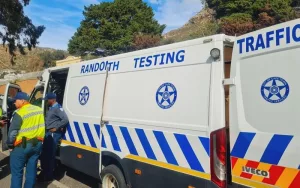
The Western Cape Government is taking big steps to keep schoolchildren safe on the roads by offering free vehicle safety checks for those who transport students. These checks, which look at important things like brakes and tyres, aim to prevent accidents and make sure all vehicles are safe for kids. Following a tragic accident that highlighted the need for better safety, this program invites transport operators to get their vehicles tested at convenient locations. By caring for young learners’ safety, the initiative shows a strong commitment to community responsibility and sets a shining example for others to follow.
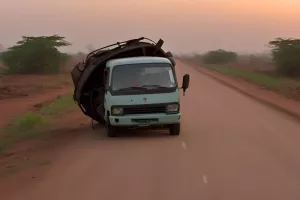
In the early morning light of Cape Town, tragedy struck in Mitchell’s Plain when a packed school transport vehicle flipped over, taking the life of a 16yearold girl. The overloaded Toyota Quantum was driven by an unlicensed driver, raising alarms about the dangerous state of scholar transport in the area. This heartbreaking event has sparked urgent calls for better safety measures and stricter regulations to protect young passengers. Amid the sorrow, there is hope as community leaders push for safer practices and workshops to train drivers, aiming for a brighter future where children can travel safely to school.
In South Africa, road accidents are a major danger for kids, with many suffering serious head injuries every year. A startling 96% of children hurt in these accidents were not wearing seatbelts, highlighting the need for better car safety. The “Be Quick to Click” campaign is working hard to change this by promoting the use of car seats and encouraging communities to donate and refurbish unused ones. This initiative is not just about safety; it’s a call for everyone to come together and protect our children on the roads. Let’s make sure every child has a safe journey!
Unearthing the Web of Deceptive Licences in Cape Town: A Narrative of Deception Versus Vigilance
A recent investigation in Cape Town uncovered over 400 instances of questionable papers being submitted for driving licence transactions, with 297 licences flagged as suspicious. Despite the measures in place to detect fraud, these deceptive practices continue to endanger the lives of road users. However, the personnel at Cape Town DLTCs are skilled in detecting falsified documents, and the fight against deception is ongoing. The DLTCs engage in meticulous verification and crossreferencing of all paperwork against the National Traffic Information System (NaTIS), and fraudulent documents are met with administrative notes and reported to the relevant authorities.
South Africa’s Department of Transport is striving to improve road safety and reduce the number of casualties. They have allocated their budget to tackle issues that beset the transport industry, with a focus on road safety due to its alarming condition. The department aims to stamp out corruption and fraud and introduce a 24/7 shift system for traffic officers in accidentprone areas to ensure continuous presence. They are committed to reducing road mishaps and ensuring the transport sector remains a critical aspect of the nation’s progress, growth, and prosperity.
Cape Town is a vibrant and dynamic city that showcases its commitment to cultural, ecological, and urban progression. The city features diverse stories, from tragedy and tributes to viral sensations and sustainable cafes. Stellenbosch’s premium wine farms offer a cozy winter retreat, while the V&A Waterfront introduces an innovative, sustainable café. Constantia epitomizes sophistication and opulence, surrounded by breathtaking natural beauty. These stories add a unique dimension to Cape Town’s multifaceted character, showcasing its diversity and tenacity.
Cape Town’s commitment to road safety was highlighted by Councillor Rob Quintas during the Global Alliance of Cities for Road Safety’s summit. The city has implemented various traffic calming initiatives, constructed speed bumps and pedestrian crossings, and expanded its public transportation network. Innovative approaches, such as variable speed signs and unique traffic signaling systems, have been used to improve safety. The city is dedicated to creating safer roads and promoting shared responsibility among all road users.
A truck driver in Cape Town experienced a horrifying hijacking that was caught on his dashcam. Three men forcibly took control of his vehicle, and he was forced to abandon it. Road safety experts advise remaining calm, not gathering personal items or valuables, and complying with the hijacker’s requests to increase the likelihood of survival. It’s also crucial to remember as many details as possible about the hijacker and the event to help police investigations.
The festive period in Western Cape has been marred by a tragic loss of 76 lives due to road accidents. The fatalities are not isolated incidents, and the region saw a similar number of deaths last year. Neglecting vehicle maintenance, not wearing seat belts, drunk driving, and speeding are some of the significant contributors to these accidents. The responsibility falls on every road user to make wise choices to ensure safer roads and more joyous holidays.