Cape Town is a beautiful city in South Africa, known for its stunning landscapes and vibrant culture. However, it faces serious environmental challenges, like polluted water and waste problems that threaten both health and nature. The city is working hard to improve its water quality and restore its rivers and wetlands, showing a strong commitment to sustainability. Programs are in place to engage the community and encourage everyone to help protect their environment. Cape Town’s journey is a powerful story of resilience and hope, as it strives to create a cleaner, healthier future.
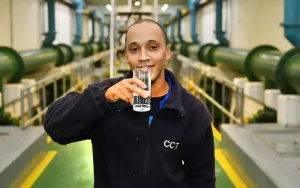
Cape Town is famous for its beautiful views and lively culture, but it also shines for its amazing tap water. The city works hard to ensure that its water is safe, clean, and affordable, costing only 6 to 8.5 cents per liter. With strict checks and tests every week, Cape Town keeps its water free from harmful germs and chemicals, achieving over 99% safety compliance. This commitment to quality not only protects the health of its people but also builds trust between the city and its residents, making Cape Town a shining example of great water management for others to follow.
Cape Town’s tap water has a peculiar earthy taste, thanks to a compound called Geosmin, which can become more noticeable during hot weather. While residents might find this flavor strange, the city assures everyone that the water is safe to drink. Geosmin is also found in beetroots and even gives off a nostalgic smell after rain. Local residents are adapting, with some even finding creative ways to incorporate the unique flavor into their cooking. This situation highlights the connection between urban life and nature, reminding us of the beauty and complexity of our environment.
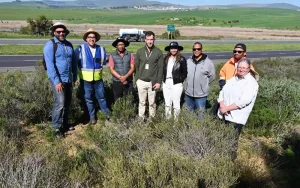
The Diep River Catchment Management Forum (DRCMF) is working to improve the health of the Diep River and boost the quality of inland water. The DRCMF has identified key projects and strategies, including the Bayside Canal Upgrade and the Dunoon/Doornbach Stormwater Study, to tackle complex issues affecting the river’s health. The DRCMF’s joint efforts with community engagement are restoring the health of the Diep River and providing a vital part of the city’s ecosystem with a breath of fresh air.
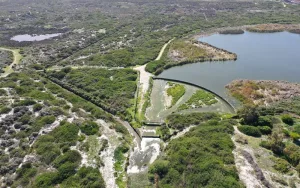
Cape Town is revamping the weirs at Zeekoevlei and Rondevlei as part of a larger plan to improve water quality. The proposed changes aim to promote the oxygenation of exposed sludge, elevate groundwater levels and restore natural equilibrium. The City is encouraging public participation and adhering to strict environmental guidelines to ensure compliance. The proposed redevelopment represents a shared vision of a healthier environment and a sustainable future.
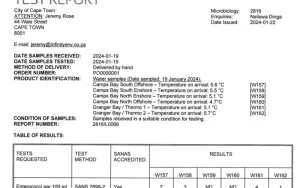
Camps Bay beach in Cape Town has exceptional water quality and holds Blue Flag status, and false information regarding its coastal water quality has been debunked. The recent water sampling’s high rating further validates that Camps Bay continues to uphold these high standards, effectively debunking baseless accusations made on certain social media platforms. The City’s commitment remains steadfast in ensuring that residents and visitors can enjoy their favorite beaches, and officials have been laboring tirelessly to maintain excellent water quality.