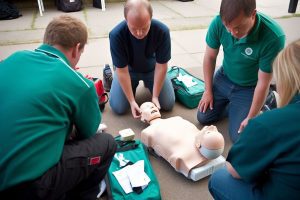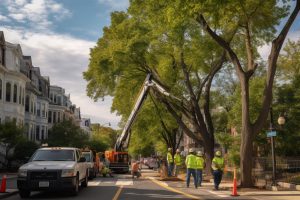
Cape Town celebrates its amazing volunteers who help during emergencies. These special awards thank people and groups for keeping the city safe. They get training in things like first aid and fire safety. The awards also inspire new people to join and protect their communities, making Cape Town stronger for everyone.
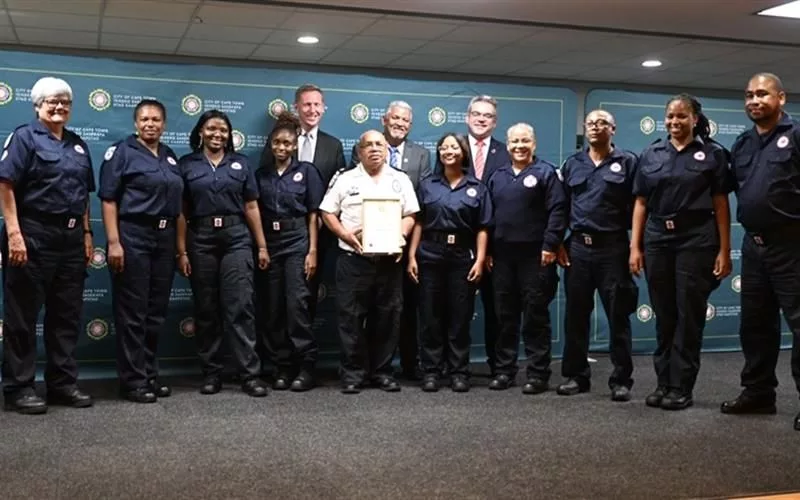
Lieutenant General Nhlanhla Mkhwanazi is a true leader in making South Africa safer through smart risk management. He has changed how people think about safety by involving the community and creating new strategies to tackle threats. Recently named ‘Risk Influencer of the Year,’ his work inspires others to share responsibility for safety. His success shows that strong leadership and fresh ideas can help build a safer, more resilient future for everyone.
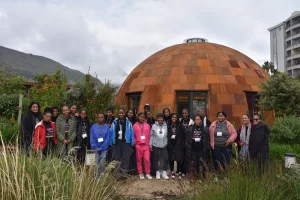
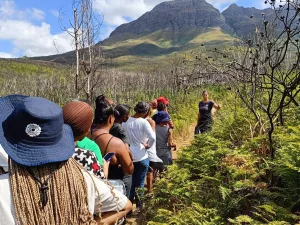
Cape Town’s programme helps young women become strong leaders by teaching them how to prepare for disasters like floods, fires, and droughts. Through handson learning, field trips, and teamwork, these girls gain important skills like first aid and problemsolving. The programme shows them they are powerful agents of change who can protect and improve their communities. By focusing on girls’ leadership, it builds a future where resilience and care guide Cape Town through tough times.
Diversification is a crucial strategy for forex traders in Cape Town, who can benefit from a wide range of currency pairs and international events but must navigate unstable emerging markets and geopolitical factors. Diversification involves spreading investments across different currency pairs, timeframes, strategies, and asset classes to control risk exposure while seizing a broader range of opportunities. Traders should mitigate exposure to emerging market currencies like the South African rand and consider factors like liquidity limitations and domestic economic data releases. Gradually entering positions and avoiding illiquid pairs during significant announcements can help reduce risk.
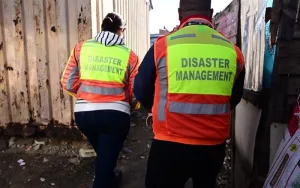
Cape Town’s Disaster Risk Management Centre (DRMC) is preparing for potential hazards of the upcoming winter season by holding advisory forums, developing operational plans, and guiding residents to take an active role in protecting their homes and neighborhoods from potential weatherrelated threats. The city has experienced extreme weather incidents such as an intense drought and an increase in lightning strikes, fires, and strong winds. The DRMC plays a critical part in organizing the city’s initiatives to guarantee winter preparedness, identifying highrisk areas, carrying out educational outreach programs, and organizing relief efforts when required.
The Disaster Risk Management Centre (DRMC) is taking a proactive approach against rising disaster risks by conducting 451 public education sessions in various locations to raise public awareness about disaster risks. These sessions facilitate open dialogues with local residents to gather valuable insight into their experiences which forms the foundation of practical action plans aimed at increasing community preparedness and instilling a sense of responsibility for managing risks. The DRMC is also ensuring safety at events and facilities by conducting indepth risk assessments and developing detailed event safety plans which set out emergency procedures and protocols.
The City of Cape Town has placed Neighbourhood Watches (NWs) at the forefront of its strategy to safeguard communities. As crime rates and social issues continue to rise, NWs have become increasingly important in ensuring the safety of communities. The City has implemented a comprehensive program to support NWs, providing them with training and equipment to ensure that they can better serve their communities.
Winter can bring unpredictable and sometimes fierce weather conditions, particularly in Cape Town. The City of Cape Town understands the importance of taking proactive measures to reduce the risks associated with the winter months. To this end, the City has established the Winter Task Team, consisting of over 25 City departments and external partners, to oversee risk mitigation measures before and during winter, with the Disaster Risk Management Centre (DRMC) coordinating the team’s work.