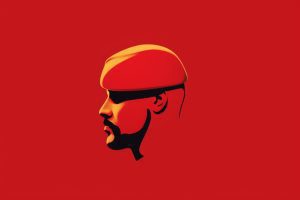
Julius Malema, leader of South Africa’s Economic Freedom Fighters, is famous for singing the protest song “Kill the Boer,” which stirs strong emotions because of its history tied to fighting apartheid. His bold and fiery words keep alive the deep struggles over land, race, and justice in South Africa. While some see his songs as violent and divisive, Malema and his supporters believe they are powerful symbols of resistance against unfairness. His speeches and music continue to fuel heated debates both inside South Africa and around the world, showing how the country’s past still shapes its present.

In the heart of South African politics, a fiery clash unfolds between Julius Malema and President Cyril Ramaphosa over a meeting with billionaire Elon Musk. Malema accuses Ramaphosa of giving a platform to Musk, whom he labels a racist, raising alarms about South Africa’s identity and sovereignty. This dramatic confrontation reveals deep historical tensions and highlights the struggle for accountability in today’s global landscape. As voices clash in parliament, the nation grapples with its past and the complexities of modern diplomacy, making this encounter a powerful reflection of South Africa’s ongoing journey.
Julius Malema, a fiery South African political leader, was found guilty of hate speech for words that sparked violence and hatred at a 2022 rally. The court’s ruling shows how South Africa carefully balances freedom of speech with protecting people’s dignity, holding leaders accountable when their words harm others. This case connects to the country’s deep history of struggle, showing how speech can both inspire change and cause pain. As debates heat up, South Africa continues to wrestle with what it means to speak freely while keeping peace and respect alive.
On March 21, 2023, a fierce debate erupted between Elon Musk and Julius Malema during a rally in South Africa. Musk criticized Malema for singing a controversial song that many believe promotes violence against white people, while Malema defended his policies aimed at correcting land injustices. Their clash highlights the deep racial tensions and differing views on South Africa’s future, with Malema calling for change and Musk expressing frustration over being blocked from doing business in the country. This public feud reflects the ongoing struggle over race, history, and equality in a nation still healing from its past.
President Cyril Ramaphosa dispelled rumors of Julius Malema’s alleged pitch for the Deputy President’s position, stating that Malema had never proposed himself for the role. Malema endorsed Veronica Mente for the Deputy Speaker’s role, emphasizing his demands for governmental accountability. Despite his aspirations for a significant governmental role, the EFF’s rank dropped to fourth among South Africa’s political parties, dashing Malema’s ambitions.
The Economic Freedom Fighters (EFF) and its leader Julius Malema are facing a lawsuit worth R1 million over allegations of hate speech. The complainant claims that remarks made by Malema and other party members were directed at him, resulting in his selfimposed exile. The South African Human Rights Commission has joined the lawsuit, which will be presented as a civil action before Judge Mark Sher in the Cape Town Equality Court. The lawsuit highlights the tension between politics, social justice, and personal rights in South Africa.
This ongoing feud is a testament to the power of social media, showing how it can amplify voices, spark debates, and captivate audiences worldwide. The Joust of Giants: What Is the Online Clash Between Elon Musk and Julius Malema?
The Economic Freedom Fighters (EFF) helped renowned South African singer Zahara save her home from being auctioned off by contributing a significant sum of R100,000 towards her mortgage. Zahara was struggling to meet her monthly loan repayments and appealed to the public for financial assistance. The EFF’s proactive approach towards economic freedom and dedication to helping those facing economic hardships was demonstrated through their intervention in Zahara’s plight. Zahara’s legacy as a pioneer in the music industry and the transformative power of collective support will continue to inspire future generations.
MacG, the mastermind behind the popular YouTube podcast Podcast & Chill, was recently crowned Entertainer of the Year at the GQ Men of the Year Awards. His podcast has revolutionized digital media in Africa, providing a platform for highprofile guests and delivering immersive experiences to fans. MacG’s success is a testament to his team’s vision and hard work, and he’s not slowing down anytime soon. With over a million subscribers, Podcast & Chill has become a cultural sensation, bringing fans closer to their favorite celebrities and reshaping the frontier of digital media in Africa.
Julius Malema, the leader of the Economic Freedom Fighters, opposes the Springboks’ emblem and team colors, which he claims symbolize “white supremacy at the highest level.” Malema seeks to challenge the perception that rugby is a sport solely for white people and aims to reclaim rugby as a sport for all South Africans. His call for a new name, emblem, and team colors that embody the country’s democratic principles rather than “white supremacy” has struck a chord with those who wish to see a more inclusive South African sports scene.
The Game-Changing Promise: How Julius Malema’s Vow to Arm Palestine Challenges Global Politics and Revives the Apartheid Struggle
Julius Malema, the leader of the Economic Freedom Fighters (EFF), is a vocal supporter of the Palestinian cause, calling for a boycott of Israeli products and the closure of the Israeli embassy. He has even promised to provide weapons to Palestine if his party wins the 2024 general elections. Malema draws comparisons between the ongoing conflict in Palestine and South Africa’s historic fight against apartheid, emphasizing the importance of international solidarity in pursuing human rights. Malema’s controversial position on the conflict highlights the significance he ascribes to international support in the pursuit of human rights.
The Economic Freedom Fighters (EFF) in South Africa are campaigning against the Israeli Embassy through protests and an urgent request for its removal from the National Assembly. The party’s unwavering support for Palestine and opposition to Israel reflects its commitment to global justice and solidarity with oppressed populations. The EFF’s actions echo historical movements of resistance and solidarity and initiate a broader conversation about the role of political parties in shaping international relations and advocating for global justice.
South African entrepreneur and author Vusi Thembekwayo has expressed his disappointment with Tesla CEO Elon Musk’s recent controversial tweet about Julius Malema. Malema is the leader of the Economic Freedom Fighters (EFF) party in South Africa and was accused by Musk of inciting genocide against white South Africans during the party’s 10th anniversary celebration by singing the struggle song “Kill The Boer.”
The Economic Freedom Fighters (EFF) celebrated their 10th anniversary on July 29th, 2023, with a grand event at the FNB Stadium in Nasrec, Soweto. The party, known as the Red Berets, claimed to have made an impressive R18 million in revenue from the sale of 10,000 limitededition jackets at the event.
The Economic Freedom Fighters (EFF) leader, Julius Malema, and entrepreneur Elon Musk have recently engaged in a heated debate over the “Kill the Boer” song. The song has caused controversy due to its contentious lyrics and themes, and Musk publicly criticized the EFF for embracing it.
South African billionaire Elon Musk has sparked a controversy surrounding the country’s political and social landscape. In a recent tweet, Musk criticized President Cyril Ramaphosa’s inaction against Julius Malema and the Economic Freedom Fighters (EFF) party. He accused the EFF of campaigning for genocide of white people in South Africa.