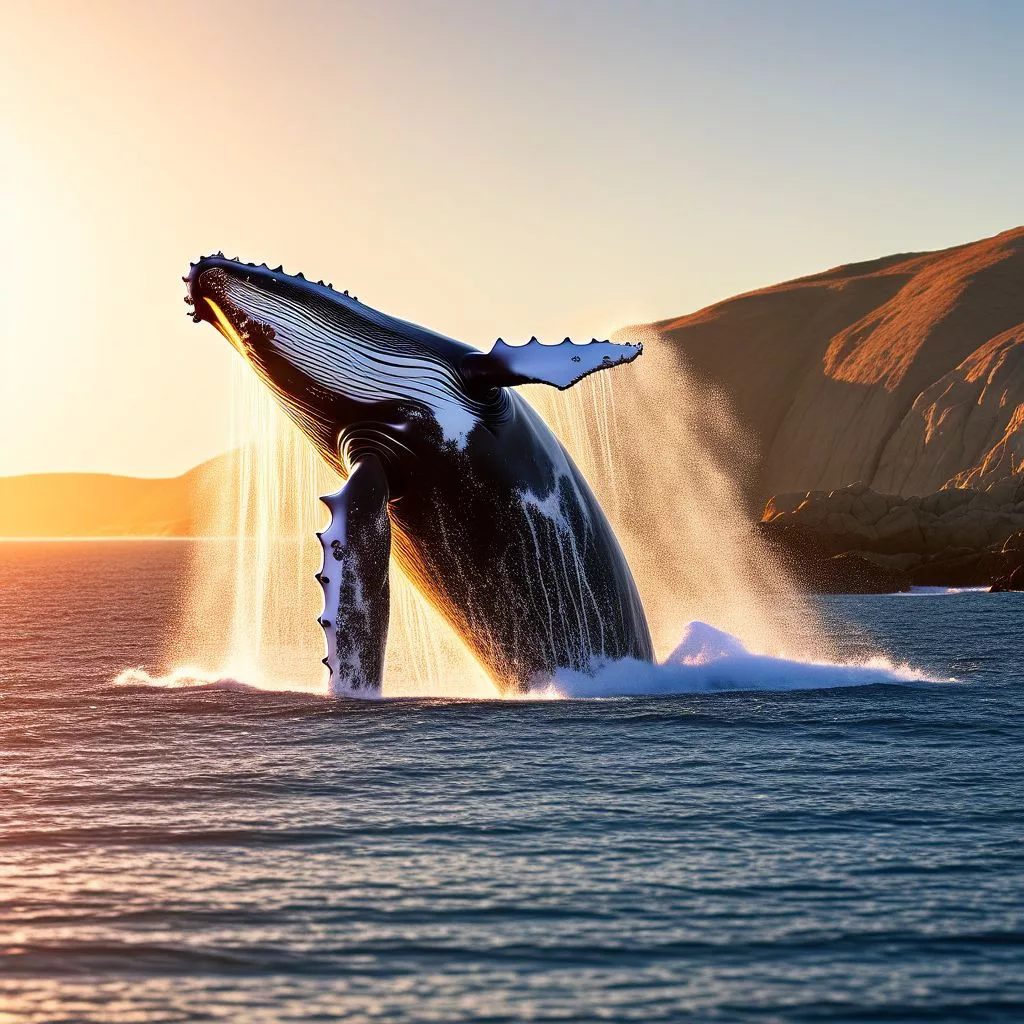
From July to November, the Cape’s coast bursts to life as giant southern right whales return to its sheltered bays. Visitors can watch these majestic creatures breach, play with calves, and glide close to shore, creating unforgettable moments. Guided tours, boat trips, and storytelling bring the whales’ ancient journey alive, mixing thrilling wildlife encounters with local culture and history. This magical season not only celebrates nature’s wonders but also shines a light on conservation and community, making whale watching in the Cape a truly special experience.
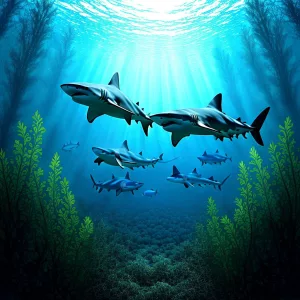
A new team made up of the Two Oceans Aquarium Foundation, Shark Spotters, SAIAB, and SANPARKS is using special underwater technology to track and protect sharks and rays in False Bay. By tagging these animals with tiny transmitters, researchers can follow their movements and learn more about their hidden lives. This exciting work not only helps keep marine life safe but also teaches the public and students about the importance of ocean conservation. Together, they are shining a light on the mysterious creatures beneath the waves and working to keep False Bay’s waters healthy for the future.
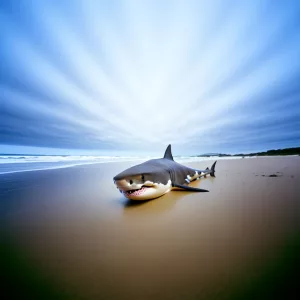
Two rare sevengill cow sharks washed up on Strand Beach with deep wounds likely caused by orcas, powerful sea hunters known for taking shark livers. This surprising event brought scientists and locals together, turning the beach into a lively classroom where everyone learned about these ancient sharks and their important role in the ocean. The strandings revealed not only the dangers these creatures face but also how humans and nature are connected in protecting the fragile marine world.
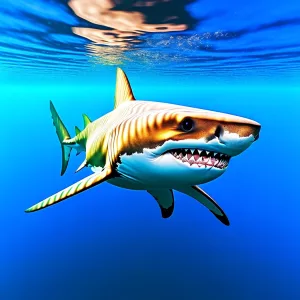
Gen the raggedtooth shark has made a triumphant return to the ocean, marking a big step in shark conservation! Her release from the Two Oceans Aquarium highlights the critical need to protect these amazing creatures and keep our oceans healthy. Gen was carefully cared for and tracked to help scientists learn more about her and her kind. This heartwarming event not only celebrates her journey but also reminds us all of the importance of respecting and protecting our marine life for future generations.
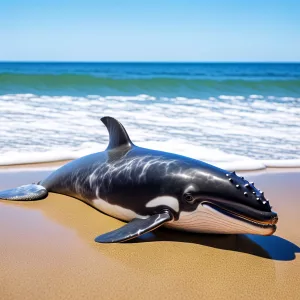
On a quiet morning at Hartenbos Beach, a massive beaked whale was found stranded on the sand, shocking early walkers and joggers. Despite the urgent efforts of marine advocates using drones to guide it back to the ocean, the whale kept returning to shore, showing it was in distress. Sadly, the team had to make the heartbreaking decision to euthanize the whale to end its suffering. This tragic event reminds us of the fragility of marine life and the urgent need for conservation efforts to protect these mysterious creatures and their habitats.
Rabies is now a serious threat to Cape Fur Seals, once seen as graceful ocean dwellers. Symptoms like aggression, confusion, foaming at the mouth, and paralysis signal the deadly disease’s presence. A recent shocking video shows a seal acting strangely, raising alarms among scientists. This marks a new danger for marine life, as rabies usually affects land animals. To fight back, researchers are launching a campaign to understand and protect these seals, reminding us how fragile our ocean ecosystems can be.
The Hermanus Whale Festival, happening from September 27 to 29, 2024, is a joyful celebration of the ocean and its incredible creatures! Set in the beautiful town of Hermanus, this unique festival invites everyone to enjoy whale watching, art, music, and delicious local food. Families can explore fun activities for kids while learning about marine life and conservation. With a strong focus on sustainability and community spirit, the festival not only delights visitors but also inspires them to protect our oceans. Come join the fun and witness the magnificent southern right whales during their annual migration!
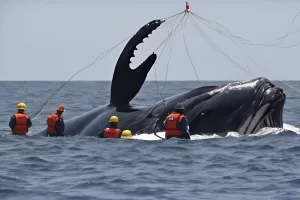
In Hermanus, South Africa, a young Southern Right whale was rescued from a fishing line by the South African Whale Disentanglement Network (SAWDN) with the help of the National Sea Rescue Institute (NSRI) on June 28th. Despite the challenges faced during the intricate rescue operation, the whale was successfully freed from most of the line and was monitored by the SAWDN for a few days. The incident highlights the importance of managing marine debris and the urgency of international collaboration for ocean conservation.
Zoë Prinsloo is a passionate environmental advocate and founder of Save a Fishie, a nonprofit organization that raises awareness about marine conservation and plastic pollution. She has coordinated over 260 beach cleanups, visited more than 111 beaches, and collected 20 tonnes of litter. Her hard work and dedication have earned her a spot at the esteemed Helen Storrow Seminar in Switzerland, where she will represent South Africa and inspire future leaders to fight for a cleaner, more sustainable world.
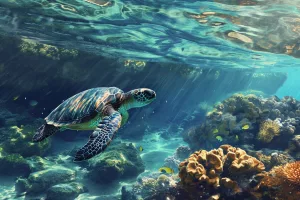
Nobomvu, a loggerhead turtle nicknamed the “Red Lady,” was rescued from a ghost fishing net and diagnosed with osteomyelitis. The Turtle Conservation Centre invested two years in rehabilitating Nobomvu, equipping her with tracking devices to provide critical data for turtle conservation efforts. Nobomvu’s story serves as a reminder of the pressing need for a harmonious relationship with nature and the devastating impact of marine pollution on marine life.
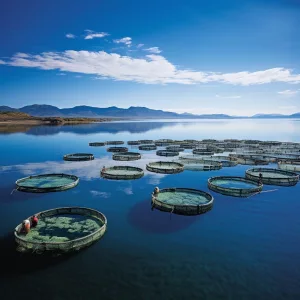
Artificial intelligence (AI) is being used to prevent marine mammal entanglement in Saldanha Bay, South Africa. The technology is an early warning system for mussel farmers and triggers an emergency response protocol if entanglement occurs. The project is a collaboration between Vodacom South Africa and the World Wide Fund for Nature, and demonstrates how technology can support environmental sustainability.
Sea Walls: Artists for Oceans is bringing together international and South African mural artists to create educational murals promoting marine conservation in Cape Town. The weeklong program includes outreach to local schools, selfguided tours of the murals, and a coastal cleanup. The initiative aims to encourage ocean stewardship through visual storytelling and creativity while addressing environmental challenges. PangeaSeed Foundation, supported by the Save Our Seas Foundation, is commemorating two decades of marine conservation by adding to their collection of over 500 murals across 19 countries.
The Cape region is known for its breathtaking landscapes and diverse marine life. Unfortunately, the southeasterly winds can carry disoriented turtle hatchlings to the shores of False Bay. To promote marine conservation, the Two Oceans Aquarium has created a guide to help beachgoers take appropriate action when encountering these creatures.
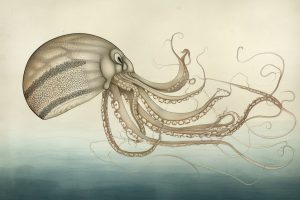
A Rare Encounter: Dr. Tess Gridley’s Discovery of the Paper Nautilus Octopus and the Importance of Marine Conservation
Dr. Tess Gridley, the principal scientist and cofounder of Sea Search, an environmental conservation organization, discovered a rare and extraordinary marine creature a paper nautilus octopus on a seemingly ordinary day at Muizenberg Beach in South Africa. This discovery highlights the importance of environmental conservation efforts in protecting the rich biodiversity of marine life.
Living Roots SA is a unique indigenous plant nursery in Claremont, Cape Town. This nursery stands out because it is run by individuals who have been rehabilitated by UTurn Homeless Ministries, an organization dedicated to supporting and reintegrating homeless individuals into society. The project aims to combine environmental and social benefits by promoting the preservation of indigenous plants while providing employment opportunities for individuals who have been homeless.
Cape Town is a city that boasts an abundance of natural beauty, and its parks and gardens are no exception. From the iconic Kirstenbosch National Botanical Garden to the historic Company’s Garden, these green spaces offer a chance to escape the hustle and bustle of the city and a glimpse into the rich history and culture of the region.