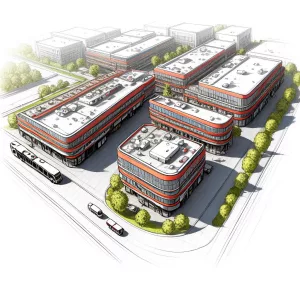
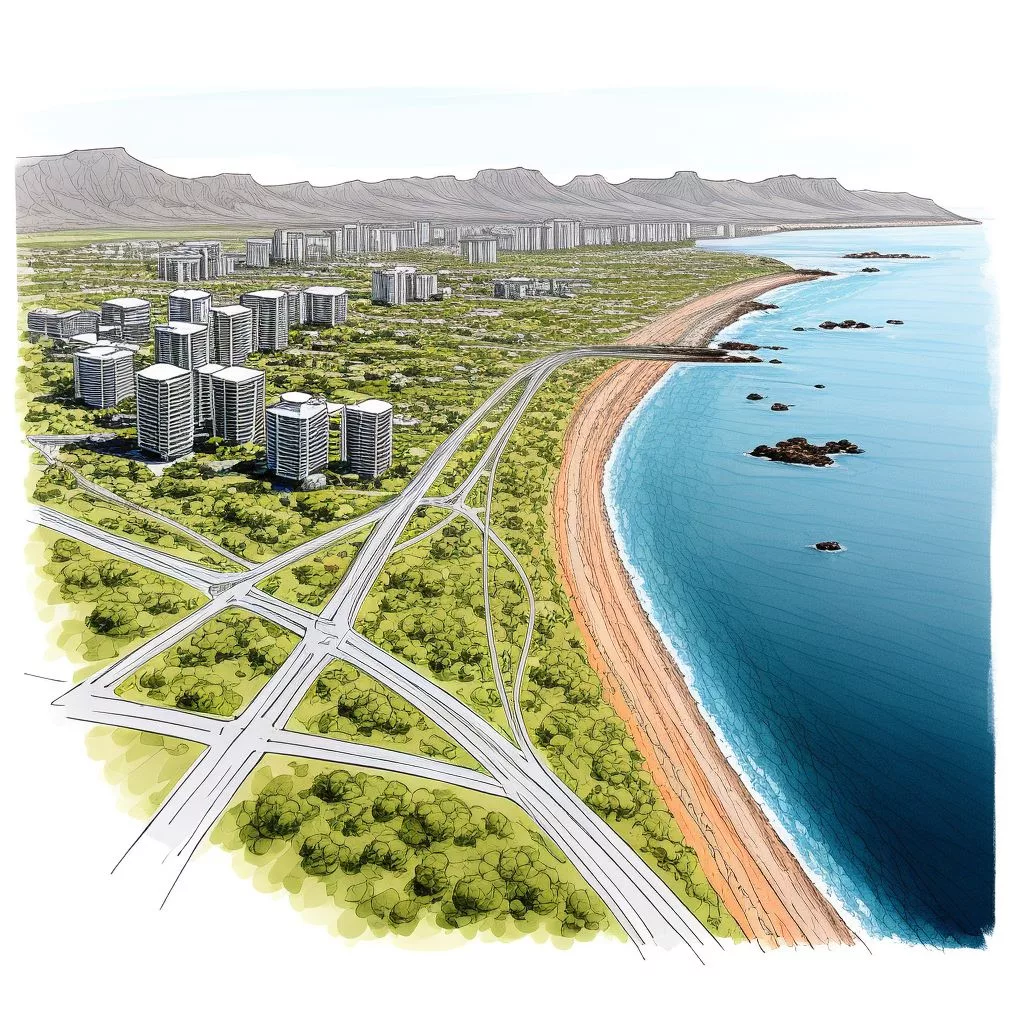
Cape Town is planning to transform Erf 2187 in Green Point into a vibrant neighborhood with homes, shops, parks, and easy public transport. The city wants the area to be affordable and welcoming for people from all backgrounds, mixing new buildings with historic charm. Residents are invited to share their ideas to help shape this exciting project. With strong bus links and green spaces, Erf 2187 aims to become a lively, connected place where everyone can live, work, and play. This redevelopment is a big step toward a greener, fairer, and more inclusive Cape Town.
The appointment of CGE commissioners in South Africa showed how important it is for Parliament to include the public in big decisions. The Constitutional Court ruled that just sharing names isn’t enough people must get clear information and real chances to have their say. This ruling pushed Parliament to rethink how it listens to citizens, making democracy stronger and more open. The case reminds us that true democracy means everyone’s voice matters, not just once, but all the time.
In the Northern Cape, communities are coming together to help shape South Africa’s new Marriage Bill, making sure it respects many cultures, protects children, and supports equality. People share their stories and ask questions in lively public meetings, turning lawmaking into a true conversation. This process honors the rich traditions of the region while embracing new ideas, so the law fits everyone’s lives. It’s a powerful example of democracy in action, where every voice helps build a fair and colorful future for marriage in South Africa.
Bellville is ready to breathe new life into the Stikland site by turning it into a lively area with a modern longdistance bus station, shops, offices, and community spaces. This plan will make travel easier, help local businesses grow, and bring people together. City leaders want everyone from traders to commuters to join in shaping this exciting change. The project blends Bellville’s rich history with a bright future, aiming to create a place where everyone can work, shop, and connect.
Cape Town is planning a bright future by caring for nature, growing jobs, and inviting everyone to join the conversation. The city is spending over R1.1 billion to restore wetlands, protect its coastline, and upgrade parks and neighborhoods. Leaders are using a new online forum to bring people together, making sure all voices can help shape the city’s plans. This mix of caring for the environment and people aims to build a strong, fair, and beautiful Cape Town for everyone.
South Africa’s 2023 Marriage Bill aims to bring all kinds of marriages—civil, customary, religious, and samesex—under one fair and equal law. In the Free State, people from all walks of life gathered to share their stories and hopes, helping lawmakers shape a law that truly fits their lives. The Bill protects rights like setting 18 as the minimum marriage age, fights fraud, and respects traditions while pushing for fairness and equality. This lively and open conversation shows how South Africans are building a future where every marriage and every voice counts.
In November 2024, South Africa’s Standing Committee on Appropriations gathered to discuss the 2024 Division of Revenue Bill, highlighting the nation’s struggle with budget challenges. Key issues included local government mismanagement, harmful education funding cuts, and deeprooted inequalities affecting communities. Chairperson Mmusi Maimane led discussions with various groups, emphasizing the urgent need for better financial practices and fair education funding. As diverse voices came together, the event shone a light on South Africa’s complex history and its hope for a brighter, more equal future. The decisions made here could change lives, making the process crucial for the nation’s path ahead.
Cape Town is excited about its future, especially in the Central Business District (CBD). The city has a new plan called the Local Spatial Development Framework (LSDF) that aims to make the CBD more friendly and lively for everyone. With input from residents, the plan focuses on better transportation, keeping cultural treasures, and creating affordable housing. By working together, Cape Town hopes to build a vibrant place where all people can enjoy life and thrive.
Cape Town has proposed changes to its Municipal Planning Bylaw, aimed at tackling densification, development, and infrastructure challenges while ensuring sustainable city growth and preservation of natural assets. The public has a 60day window to examine the proposed changes and provide their insights. The city is committed to maintaining transparency by sharing feedback on the comments and incorporating them into the final report for Council approval.
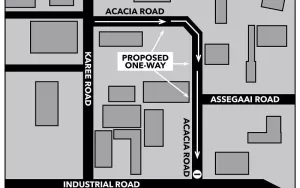
Cape Town’s Urban Mobility Directorate is proposing to transform Acacia Road in Kraaifontein into a oneway street to tackle traffic congestion and improve accessibility for local businesses. The proposal is part of a democratic process that encourages public participation, with feedback and suggestions being accepted until 27 September 2024. The city is also providing various avenues for inclusivity and transparency, such as information days and detailed plans on their website. The proposal reflects the city’s commitment to involve its citizens in shaping the future of urban mobility in Cape Town.
The Workshop for Chief Whips and Chairpersons at Cape Sun Hotel aimed to equip the National Council of Provinces (NCOP) members with the necessary tools to execute their duties efficiently and promote collective action and interconnectedness. The keynote speech delivered by the Chairperson of the NCOP shed light on the workshop’s objective, emphasizing the importance of public participation and international solidarity. The discussions focused on the challenges faced by NCOP and the need to bolster its oversight agenda while steering discussions towards the national dialogue.
The City of Cape Town is involving residents in the redesign of road infrastructure in the Kraaifontein region through public engagement opportunities and open public days. The project aims to reshape road infrastructure in growing regions and prioritize growth areas through proactive planning. The city is committed to democratic involvement and invites all residents to express their thoughts and comments on the proposed designs before presenting the final designs to the Council for approval.
The Parliament of South Africa recently published a detailed account of a week’s activities, offering a captivating glimpse into the intricate mechanisms of the country’s democratic institutions. From budgetary dialogues to committee meetings, the events demonstrated an unwavering commitment to public participation and a dedication to democracy. The week’s happenings underscored the remarkable range and depth of Parliament’s tasks, exemplifying the commitment to democracy within South Africa’s legislative body, a foundational principle of the nation’s governance.
The debate over whether to convert a baseball field in Gugulethu, South Africa into a hospital has sparked a resistance movement from locals, including sports teams and healthcare advocates. The Gugulethu Sports and Development Trust argues that the decision was flawed and lacks public participation processes, while others stress the urgent need for healthcare in the region. The ongoing struggle highlights the dilemma of balancing community spaces and increasing demands for essential services.
Cape Town’s Urban Mobility Directorate Plans to Revitalize Bellville Central Business District
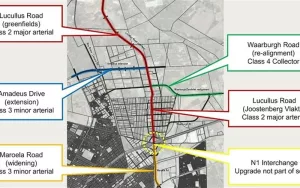
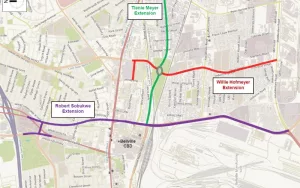
The proposed road schemes aim to strategically rearrange Bellville’s transport routes to enhance urban mobility, bolster roadbased freight and public transport services, and ultimately, boost the region’s economic development. The Cape Town Urban Mobility Directorate has a plan to revitalize the Bellville Central Business District through significant road enhancements and extensions. The public is welcome to provide their comments and thoughts on the proposed schemes, and the deadline for comments is 14th June 2024. The initiative promises a brighter, more accessible future for Bellville CBD.
Cape Town’s Urban Mobility Initiative is a proposal to improve nonmotorized transport in certain areas of the city by creating safer and more accessible spaces for pedestrians and cyclists. The initiative is participatory, with the city encouraging residents to provide feedback and suggestions. The proposal represents the city’s commitment to improving road safety and creating more ecologically sustainable and habitable urban landscapes. It is an opportunity for residents to shape their city spaces and contribute to a more inclusive and sustainable future.