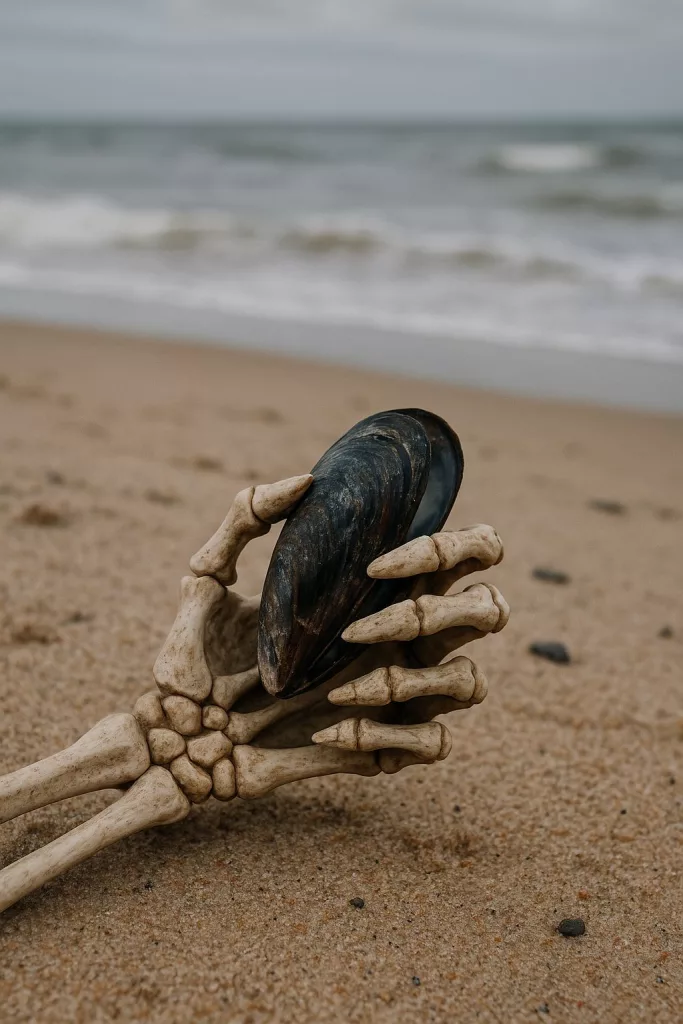
{“summary”: “Imagine tiny, invisible sea bugs that create a deadly poison. Mussels eat these bugs and become full of this poison, called saxitoxin. If people eat these poisoned mussels, their nerves stop working, and they can’t breathe. This hidden danger is causing big problems for people who gather mussels and for the sea itself, killing lots of sea creatures and making the ocean sick. Scientists are working hard to find ways to spot this silent killer and keep everyone safe.”}
The Annual Red Tide’s Impact: An Environmental and Economic Analysis on West Coast Aquatic Life
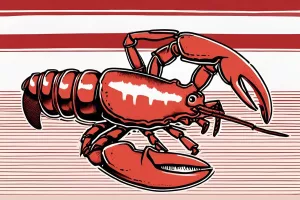
The red tide is a harmful algal bloom that occurs during late summer and fall, causing widespread death among marine species and depleting sea oxygen levels. This ecological disaster has both environmental and economic costs, particularly affecting the West Coast rock lobster population. The DFFE has executed a West Coast Rock Lobster Walkout Contingency Plan to protect live lobsters, and scientists are conducting investigations to understand the red tide’s repercussions. The crisis also has a gender dimension, with female lobsters being more prone to stranding and higher mortality rates.