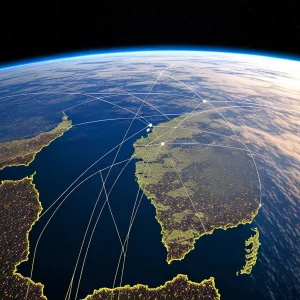
Starlink’s arrival in South Africa could bring fast, affordable internet to remote places where connectivity is weak or missing. But South Africa’s Black Economic Empowerment (BEE) policy, which demands local ownership to fix past inequalities, makes this a tricky challenge. New ideas like “equity equivalents” might help balance fairness with the need for investment, opening the door for Starlink to connect many underserved communities. This moment is about more than technology it’s a chance for South Africa to embrace the future while honoring its history. If successful, millions could finally join the digital world and its opportunities.

Power, Policy, and Connectivity: The EFF’s Revolt Against Starlink’s Rumored Entry into South Africa
Starlink’s rumored arrival in South Africa has sparked fierce debate, mainly because the EFF fears it might bypass important laws meant to empower Black South Africans and protect the nation’s independence. While Starlink promises fast internet, especially for rural areas hungry for better connections, critics worry it could bring foreign control and damage South Africa’s hardwon social justice. The EFF accuses the government of rushing deals that favor global companies over the people’s rights. This clash reveals a deeper struggle: how South Africa balances new technology with its history and fight for true equality.
Starlink, SpaceX’s satellite internet, promises to bring fast and affordable internet to South Africa’s rural and underserved areas, helping bridge the digital divide. However, strict local rules, especially about ownership by historically disadvantaged groups, make it tricky for Starlink to launch smoothly. The company wants more flexible ways to support South Africa’s empowerment goals, like investing in education and local businesses, rather than just handing over shares. How the government balances these rules and innovation will shape South Africa’s digital future, with big effects on access, opportunity, and growth across the country.