Minister Ronald Lamola’s speech at the G20 Troika meeting highlighted South Africa’s strong commitment to global cooperation and fairness. With a focus on themes like equality and sustainable growth, he outlined key priorities such as speeding up the Sustainable Development Goals, reforming financial systems, fighting climate change, and ensuring ethical mining practices. Lamola emphasized the need for the world to invest in development rather than conflict, aiming to uplift the Global South, especially Africa. His message resonated with a vision for a just and united world, echoing the struggles and aspirations of many developing nations.

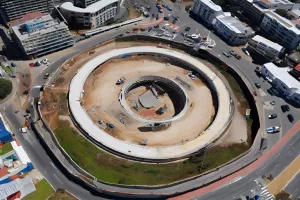
Cape Town is building its firstever freestanding elevated traffic circle, and it’s set to change how people move around the city! This exciting project aims to make travel smoother for MyCiti buses while keeping pedestrians and cyclists safe with their own special lanes. With bright, energyefficient lights and smart traffic signals, it promises a safer, more efficient experience for everyone. As construction progresses, this new landmark symbolizes Cape Town’s commitment to a greener, more connected future, blending modern design with practical needs.
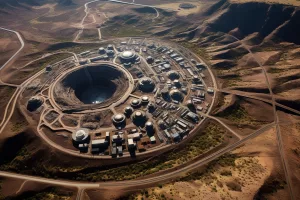
Africa’s critical minerals are treasures that can power the world’s shift to green energy. With 30% of these minerals found in SubSaharan Africa, they can spark jobs and boost the economy if processed locally. South Africa is leading the way, aiming to turn its mineral wealth into sustainable growth while ensuring fairness for its people. By teaming up with the U.S. and focusing on responsible mining practices, Africa hopes to create a brighter future filled with opportunity and innovation.
Premier Alan Winde played a key role in Climate Week, representing Africa as cochair of the Under 2 Coalition in New York. His focus is on working together to fight climate change and helping communities adapt to its impacts, all while sticking to the Western Cape’s Vision 2050 for a better future. At the same time, Cape Town is hosting its own Climate Week, echoing the global discussions and highlighting local efforts to tackle climate issues. Both events show how important it is to work together, bringing global and local voices together to create a sustainable and fair world for everyone.
Dion George, a prominent figure in South African politics, addressed critical environmental issues at the African Ministerial Conference on the Environment (AMCEN). He emphasized the devastating effects of drought on vulnerable communities, the necessity for a consensus to address drought, and the importance of innovative financial resources to achieve sustainable development goals. He also highlighted the urgent need to address pollution, particularly plastic pollution, and proposed a legally binding instrument tailored to Africa’s unique conditions.
The Planning Africa Conference 2024 brought together visionaries, scholars, and government representatives to discuss the challenges posed by escalating urbanization. The conference emphasized the need for dynamic and forwardthinking planning that recognizes the interconnectedness of people, place, environment, and economy. Effective planning requires a welldefined distribution of responsibilities across various government sectors and adherence to UNHabitat’s international guidelines on urban and territorial planning. The District Development Model advocates for a unified and wellresourced approach that promotes local business opportunities and addresses social inequalities.
The South African government aims to provide safe and affordable housing for all citizens. This includes disaster readiness, durable infrastructure, community involvement, sustainable growth, social equality, and conservational guardianship. The government has implemented policies to promote inexpensive housing alternatives and collaborations between the public and private sectors. They have also undertaken rural housing solutions and legislative measures to oversee the home building industry and safeguard housing consumers. Deputy Minister Hon. Tandi Mahambehlala emphasized the government’s dedication to this vision in her recent address to Parliament.
Cape Town is a vibrant and dynamic city that showcases its commitment to cultural, ecological, and urban progression. The city features diverse stories, from tragedy and tributes to viral sensations and sustainable cafes. Stellenbosch’s premium wine farms offer a cozy winter retreat, while the V&A Waterfront introduces an innovative, sustainable café. Constantia epitomizes sophistication and opulence, surrounded by breathtaking natural beauty. These stories add a unique dimension to Cape Town’s multifaceted character, showcasing its diversity and tenacity.
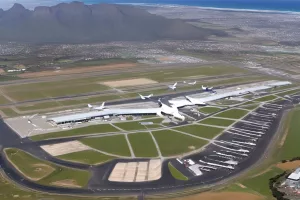
The Cape Town Winelands Airport is undergoing an extensive expansion plan that aims to create a new era of economic growth and sustainability. The project includes the development of a Code F runway and additional facilities such as a plaza, hotel, conference center, and winetasting facilities. The expansion prioritizes environmental considerations, aiming to be completely offgrid for water and electricity by employing solar and biogas power derived from chicken manure. The project is expected to create 60,000 jobs during construction and capture onefourth of the local market share by 2050 while balancing growth and sustainability.
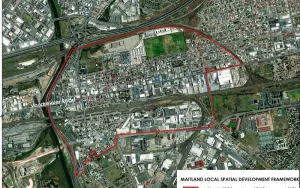
The City of Cape Town has unveiled an ambitious plan for Maitland’s urban renewal, aiming to breathe new life into the area. The plan includes stimulating growth in public infrastructure, fostering sustainable city regeneration, and promoting job creation. The LSDF, driven by the community, considers the area’s unique opportunities and challenges, and includes key goals such as enhancing road infrastructure and pedestrian accessibility, harnessing the Black River for new opportunities, and creating integrated communal spaces. The LSDF marks a significant stride towards realising the vision of a ‘City of Hope’ for Maitland and the wider Cape Town area.
The *South African Energy Investment Forum* is a critical platform for stakeholders to address energy deprivation, stimulate investment, and reduce carbon emissions. The government’s strategy includes the *Integrated Resource Plan (IRP)* to *increase energy capacity, eliminate transmission capacity limitations, and encourage embedded generation*. *Nuclear and gas* are expected to play a vital role in South Africa’s energy transition, with a *focus on engaging communities and encouraging investments* to ensure effective information dissemination and active community involvement in the industry. Overall, the forum serves as a beacon of hope for a sustainable and prosperous future in the energy sector.
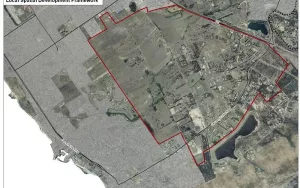
The Gordon’s Bay Development Area (GBDA) in Cape Town is undergoing an exciting transformation with the release of the Local Spatial Development Framework (LSDF). The LSDF integrates urban design, environmental conservation, and economic growth, and residents can shape the plan by attending open house meetings, providing feedback online or via email, and reviewing hard copies of the plan before the March 22nd deadline. The LSDF represents a collaborative effort to create sustainable growth and preservation in the GBDA, creating a vibrant and sustainable future for the community.
South Africa’s National Assembly has approved the World Trade Organization’s Agreement on Fisheries Subsidies, marking a significant milestone in sustainable growth and reinforcing the country’s dedication to environmental conservation. The agreement aims to regulate harmful fisheries subsidies and safeguard global fish supplies, benefiting coastal communities and smallscale fishers who rely heavily on fish as a primary source of protein. This achievement aligns with the first Sustainable Development Goal (SDG) target, making it the first SDG target to be fully accomplished and the first achieved through a multilateral agreement.
The Cape Peninsula Baboon Management Joint Task Team is promoting sustainable development by encouraging public participation in a unique initiative that combines environmental conservation with community involvement. The Cape Peninsula Baboon Strategic Management Plan serves as a guideline for sustainable baboon management, with the task team urging the public to formulate areaspecific actions that are effective and approved by local inhabitants. The initiative champions active public involvement and sets a benchmark for other regions to follow in the quest for sustainable development. Meanwhile, Cape Town offers a multitude of affordable activities to explore, and the combination of community involvement and environmental conservation could be the key to a sustainable future.
The Philippi Opportunity Area is set to undergo a transformation that will make it a sustainable and resilient region. The Local Spatial Development Framework aims to reshape the area into a mixeduse transport hub, merging green spaces with industrial elements to create urban areas that accommodate highdensity residential development, retail, and recreational spaces. The plan also fosters inclusivity and diversity by developing affordable housing options tailored for different income groups and lifestyles and preserving historic tree avenues. The LSDF aims to reinforce the implementation of this spatial vision, steering its transformation and shaping its future.
The recent handover of the Social and Labour Plans by Samancor Chrome marked a significant milestone in South Africa’s continuous commitment to fostering safer mining conditions and tackling socioeconomic disparities associated with the mining sector’s historical legacy. The event symbolized the unified dedication to safer and more sustainable mining practices and represented a significant step in these efforts. The mining industry’s transformation is not solely in the hands of the government and industry stakeholders, but also the communities they serve.