Cape Town faced a scary water shortage during the “Day Zero” crisis but has since turned things around through teamwork and smart ideas. The city now uses rainwater harvesting, cleans and reuses wastewater, and involves communities in saving water. By treating water as a valuable resource not waste, Cape Town builds a future where everyone has fair access to clean water. This new way of working together and using technology helps the city stay strong and hopeful against water challenges.
From February 18 to 20, 2025, the City’s Water and Sanitation Directorate will pause water supply in Hout Bay and along Govan Mbeki Drive for important maintenance. This work is vital for creating a strong and sustainable water system, helping to prevent future issues. Residents are encouraged to store water in clean containers to prepare for the temporary outages. While the work may cause some inconvenience, it represents a smart step towards better water management and community resilience, ensuring that the city’s lifeblood flows smoothly for everyone.
The City’s Strategic Water Maintenance Plan is set to take place from September 30 to October 4, 2024, focusing on making sure our water supply is safe and reliable. During this time, various repairs and upgrades will happen across the city, including zeropressure tests that might cause some changes in water pressure for residents. Special care will be taken to clean and maintain the Glen Garry Reservoir, ensuring the water stays clean and safe for everyone. As these tasks unfold, it’s important for residents to prepare by storing water and being aware of possible temporary disruptions. This plan is all about protecting our city’s lifeblood: clean water for all!
Milnerton Lagoon is being improved to boost water quality and ecological health, with the City of Cape Town committed to sustainable water management. Projects such as the Koeberg Pump Station’s maintenance, Ryan’s Pond’s contamination prevention, and the Montague Drive Sewer Upgrade Project’s progress demonstrate this commitment. Plans to enhance the Potsdam Wastewater Treatment Works and address sediment and organic matter buildup also showcase the city’s dedication to environmental responsibility. These ongoing improvements and future plans show a promising outlook for the future of this environmental treasure.
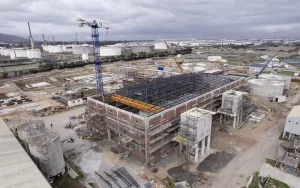
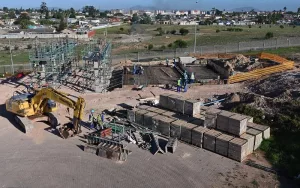
Cape Town’s TER Scottsdene Pump Station is a groundbreaking project aimed at increasing the availability of treated effluent and reducing the city’s reliance on potable water supplies. It plays a crucial dual role, increasing the availability of treated effluent and significantly reducing reliance on potable water supplies. The project symbolizes Cape Town’s unwavering dedication to sustainable water management and becoming a waterconscious city.
On May 16, 2023, South Africa’s Minister of Water and Sanitation, Senzo Mchunu, presented an ambitious budget of R40.291 billion for the 2023/24 fiscal year in the National Assembly. The department’s primary objective is to ensure the sustainability and efficiency of the water sector, while addressing the existing challenges and shortcomings and providing reliable services to communities.
The Makhathini Lower Pongola Water User Association (WUA) is a collective effort to promote efficient water management in the northern KwaZuluNatal area. The interim management committee started establishing a robust governance structure for the association. The goal is to facilitate the election of the management committee on May 16, 2023, in Jozini.
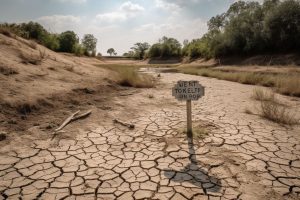
The Western Cape of South Africa has been grappling with a severe drought for several years. In 2017, the region introduced water restrictions to help manage the scarce water supply. While there has been a slight improvement in the situation in 2020, the region’s water supply remains fragile.