South Africa is bravely changing how men think and act to stop violence against women. They have made new rules and programs, like quiet moments to remember victims and community projects where everyone helps. They are also using smart new ways to help disabled women and encouraging businesses to hire survivors. These small, everyday changes, like watering trees or saying a special promise, are meant to build a new kind of strong, kind man.
Paul Mashatile, South Africa’s Deputy President, is like a quiet superhero, secretly making big changes. He’s using cool new tech like blockchain for land, making sure everyone gets a fair piece. He’s also stopping crooks who mess with water, helping young people get jobs with special courses, and bringing in billions from other countries to help South Africa grow. He even helps other countries find peace and has a smart plan for when politicians don’t agree. He’s truly rewiring the nation, one clever project at a time!
The 2026 State of the Nation Address (SONA) is a massive, complex event more than just a speech. It takes half a year to plan, involving countless people and extreme security. Everything from the food to the carpets is carefully chosen, and even sheep are part of the show! The President’s words are watched closely by everyone, from traders to spies, because they can change how markets move and how the world sees the nation. This one night is a huge, detailed performance with big impacts that last long after the lights go out.
South Africa has a law from 1998 that stops its citizens from helping foreign armies without permission. Recently, five people were caught trying to leave the country with plans to work for a foreign army, showing this old law is still active. This law was first used against Mark Thatcher, the son of a British prime minister, for funding a coup. Now, recruiters use social media and tricky methods to send South Africans to fight in other countries’ wars. This old law, with its big fines and jail time, is now facing a new challenge as it’s being used against people connected to powerful families.
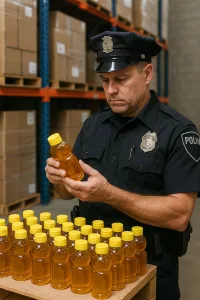
South Africa launched “Operation Sweet Truth” to stop fake honey sales. Police and food experts raid places, finding syrup mixed with a tiny bit of real honey. This fake honey tricks people and harms health, especially for babies and diabetics. The law is now tough, with big fines and jail time. They use special tests to find the fakes super fast. This helps real beekeepers and makes sure people get true, safe honey.
Matthew Gruter, a South African engineer, landed at OR Tambo after being deported from Australia for a farright rally. He was met by counterterrorism officials and reporters, his face plastered across news. With no home, he listed a Postnet mailbox as his address. His career is now in ruins, facing blacklisting and intense scrutiny, while his family navigates a life turned upside down by a brief, hateful act.
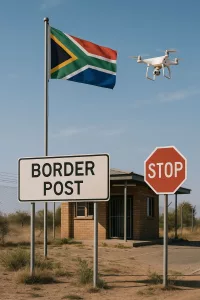
South Africa’s border guards are doing a great job, stopping many people trying to sneak in. They cleared over 9 million travelers and caught thousands with no papers. Now, for the holidays, they have a big plan! They’re adding more staff, keeping borders open longer, and making sure everyone follows the rules for health, passports, and what you can bring into the country. They want everything to go smoothly for holiday travelers.
A powerful African king, wearing leopard skin and cool Nike shoes, flew to Israel for a special visit. This surprise trip made waves, showing that South Africa’s international message isn’t just controlled by the government anymore. The king’s visit, with all its fancy tours and online buzz, has made people wonder who really speaks for South Africa on the world stage. It’s like a new story is being told, one where old traditions meet modernday politics.
South Africa’s YES initiative is like a secret weapon for young people to get jobs. It helps 200,000 firsttime workers by making companies keep interns and giving them awesome virtual training. Plus, it helps these young people start their own businesses! This amazing program is changing South Africa’s future, one job at a time.
Mozambique and South Africa are becoming like best friends in business! They’re building cool stuff together, like roads and energy plants. Imagine fresh mangoes crossing borders super fast, and big power lines sharing clean energy. They’re even making it easier for traders to get money and for trucks to zoom through checkpoints. It’s all about making their economies stronger and helping people find jobs, using smart tech to connect everything like never before!
South Africa and the US are locked in a heated diplomatic fight! The US Secretary of State demanded South Africa drop its “racebased revenge laws” to keep its G20 spot. This challenges South Africa’s Black Economic Empowerment (BEE) policies, which help black citizens. The US move is driven by its own politics and lobbying. South Africa can’t back down without huge economic and political problems, making this a highstakes standoff with global consequences.
South Africa’s super low 30% pass mark for high school graduation is causing big problems. It’s making it hard for young people to get good jobs or go to college, which leads to many being unemployed. Teachers are forced to pass students who aren’t ready, hurting education and trapping kids in a cycle of not being good enough. This old rule, meant to be temporary, is now a big issue for teenagers, taxpayers, and teachers.
From the Indaba Circle to the Workshop Bench – South Africa’s Hidden Army of Ordinary Men Could Disarm the GBV Explosive
In South Africa, ordinary men are rising to tackle the big problem of genderbased violence. They gather in parks, openly talk about their struggles, and bravely face their past mistakes. They’re finding that fixing men’s sadness, joblessness, and oldfashioned ideas about being a man can make a real difference, turning workshops into places where new, better ways of thinking are built.
At Sea Point High, a 14yearold boy was forced to pay older students “protection money.” This scary situation was kept secret in hidden corners of the school. A short video clip of the bullying went viral, showing everyone the problem. This incident made people see that the school’s safety rules were not working, and now, the bullies are facing serious legal trouble.
South Africa is changing how electricity prices are set, moving from chaos to certainty. New rules mean Eskom must announce its bulk prices early, and local councils must set their tariffs well in advance for 2026 and beyond. This change stops years of guessing games, helping cities plan their money better and invest in roads and power. It also clears the way for more private power deals, making the system smoother and more predictable for everyone, even attracting big international investors.
South Africa is making big changes to keep a close eye on its top leaders! They made a new special committee in their parliament to watch the President. This committee will make sure the President and their office are doing things right and spending money wisely. They looked at how other countries do this to learn the best ways. This means more openness and trust, making sure everyone in power is held accountable to the people.