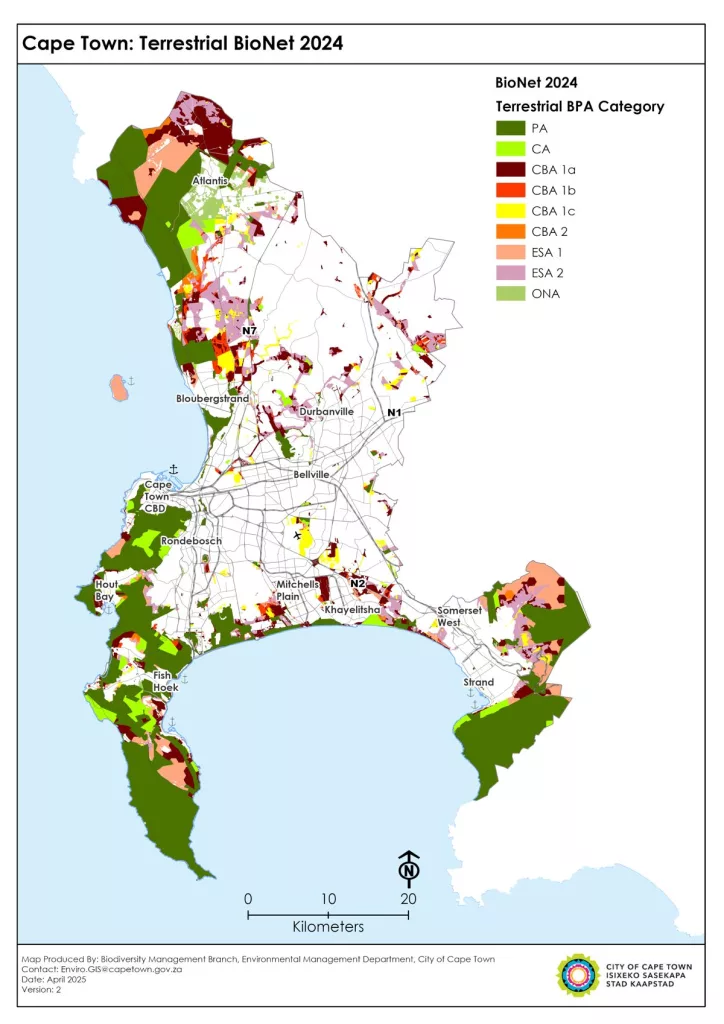
Cape Town’s Biodiversity Spatial Plan 2025 is a bold new guide to help the city grow while protecting nature. It maps out important natural areas, covering over 55,000 hectares, and helps people understand where plants and animals need space to thrive. By sharing clear information and involving communities, the plan balances building homes and jobs with saving Cape Town’s unique wildlife. This approach makes Cape Town a shining example of how cities can live in harmony with nature.
The Elsieskraal River Green Belt in Cape Town is a beautiful green space that connects neighborhoods and supports local wildlife. It serves as a peaceful escape for residents and plays a key role in keeping the city’s environment healthy. Recently, community volunteers gathered to clean up the area, removing a large amount of waste and showing how teamwork can make a big difference. This initiative highlights the importance of caring for nature, reminding us that even small actions can help preserve our planet for future generations.
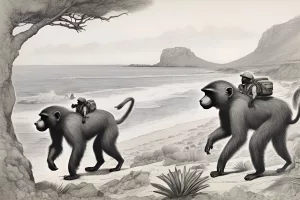
The Cape Peninsula Baboon Management Joint Task Team (CPBMJTT) has unveiled a groundbreaking plan to manage the area’s baboon population, including the establishment of the Cape Peninsula Baboon Advisory Group (CPBAG). The CPBAG will advise and facilitate the application of the Cape Peninsula Baboon Strategic Management Plan (CPBSMP) at a local level, ensuring continuous and productive interaction among varying constituencies and building strategic alliances with stakeholders. The objective is to maintain a sustainable Urban Baboon Program that includes local communities, operationalizes the Baboon Strategic Management Plan, and seamlessly transitions into the subsequent phase.