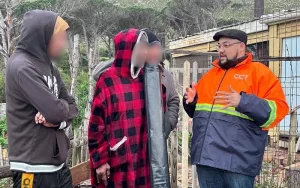
The city is helping residents by providing over R5.1 billion in support to those who need it most, like pensioners and families with low income. They offer rebates on rates, discounts on utilities, and even write off old debts to ease financial burdens. Special programs also give free water and sanitation to community centers, while electricity costs are kept affordable with tiered pricing. These efforts help people live with less worry and build a stronger, caring community for everyone.
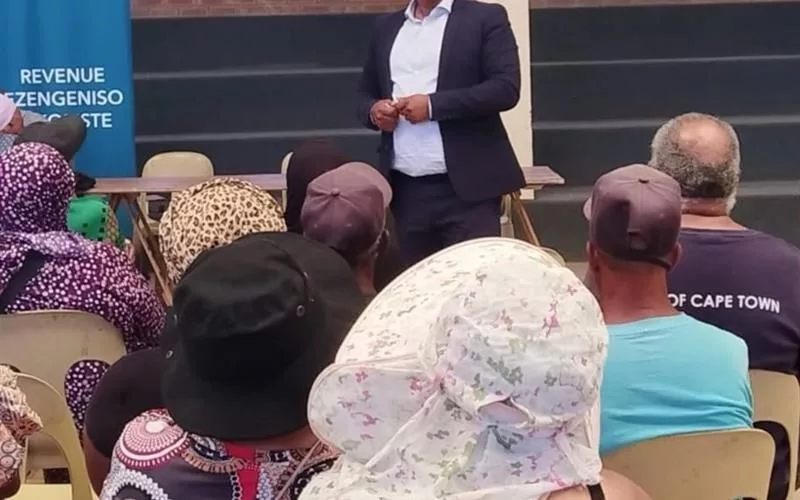
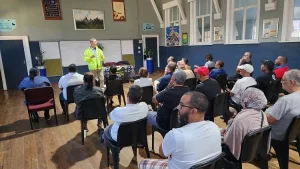
Cape Town is becoming safer thanks to the Neighbourhood Watch Support Programme, which trains community groups and uses new technology. Recently, 47 local watch groups received special training and access to a helpful cellphone app to track safety issues. This program, which started 18 years ago, shows how residents work together to protect their neighborhoods, proving that teamwork and support can overcome challenges. With a strong financial backing of over R4.2 million, Cape Town is committed to empowering its communities, making it a safer and more vibrant place to live.
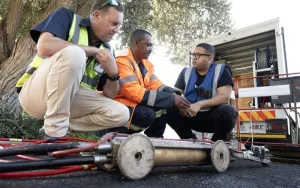
Cape Town is breathing new life into its old sewer pipes by replacing over 117 kilometers of wornout pipes with smart, modern methods that keep streets safe and clean. This big project, backed by lots of money and hard work, helps stop floods and keeps the city fresh and healthy. People from all neighborhoods, from busy downtown to quiet suburbs, are part of this team effort. By mixing hightech tools with education about caring for the pipes, Cape Town is building a stronger, cleaner city for everyone to enjoy.
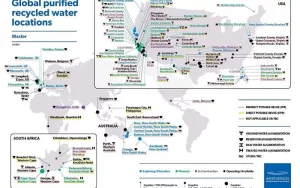
Cape Town is shining bright as a leader in clever water management! With projects like the Atlantis Water Resource Management Scheme and the Cape Flats Managed Aquifer Recharge, the city is finding smart ways to provide millions of liters of clean water every day. These efforts help Cape Town tackle challenges like climate change and a growing population while keeping water sources healthy and sustainable. By working hard and planning for the future, Cape Town inspires other cities to do the same, ensuring that everyone has enough water to thrive.
Cape Town is carrying out planned water maintenance to keep its water system strong and reliable. This means some neighborhoods will face temporary water cuts or low pressure so technicians can test pipes, valves, and pressure systems. Though these interruptions can be inconvenient, they help prevent bigger problems like leaks and bursts, making sure everyone has steady water now and in the future. The city communicates clearly to help residents prepare and shows how caring for hidden infrastructure is key to a healthy, resilient city.
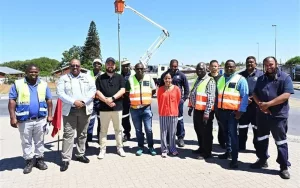
In Kraaifontein, a lively part of Cape Town, the community faces a tough battle against streetlight vandalism. Broken lights not only make the neighborhood dark and unsafe but also waste resources meant for other important services. The City of Cape Town is fighting back by quickly fixing the lights and encouraging locals to report vandalism. With teamwork between residents and city officials, there is hope for a brighter, safer future where the community can shine together once more.
Cape Town’s fight against flooding is a story of triumph over tragedy. The city’s flood management strategy includes distributing flood kits, cautioning residents about living in highrisk zones, and centralizing disaster relief and funding. This approach is part of a broader urban resilience framework that equips the city to endure and recover from shocks and stresses. Despite ongoing challenges, the city remains committed to ensuring the safety and wellbeing of its residents.
Minister Mmamoloko Kubayi, the Minister of Human Settlements, addressed highlevel representatives from BRICS nations at the United Nations Office in Nairobi. The Minister emphasized the importance of urban resilience for sustainable urban development. This article summarizes her discourse and the key takeaways from the meeting.