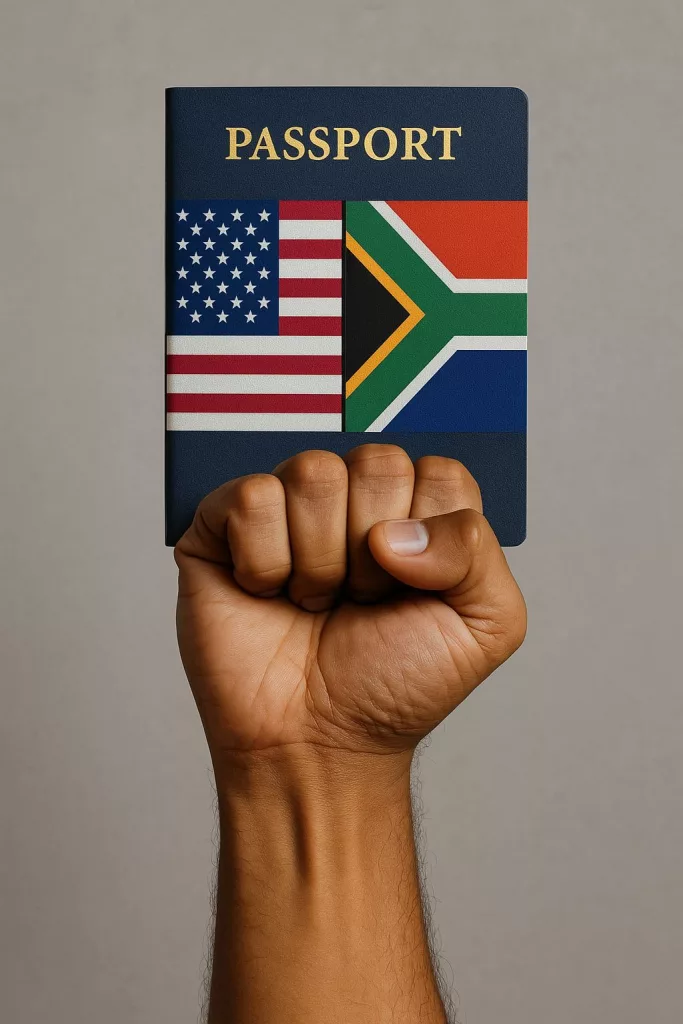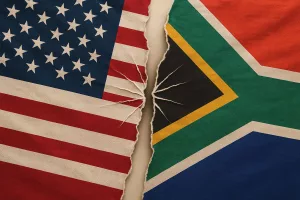
The meeting between Trump and Ramaphosa in the Oval Office was tense and full of meaning. Trump raised alarms about “white genocide” and land seizures in South Africa, while Ramaphosa pushed back, explaining that the country’s land reforms aim to heal past injustices, not punish anyone. Their clash showed deep differences in how each leader saw crime, property, and justice. Surrounded by powerful voices like Elon Musk and sports stars, the meeting became a dramatic moment reflecting global misunderstandings and the ongoing struggle for South Africa’s future.
The possible absence of President Trump from the 2025 G20 summit in Johannesburg is a strong signal of growing tensions between the US and South Africa. It reflects deep disagreements over land reform, justice, and political values rooted in history. In global diplomacy, a leader’s absence can send a message as loud as their presence, shaping how countries cooperate or clash. This summit will not only focus on economics but also highlight the ongoing struggle for fairness and power in a changing world. The drama unfolding in Johannesburg shows how much is still at stake in international relations today.
Diplomatic Dissonance: Ebrahim Rasool and the Shifting Sands of US-South Africa Relations
Ebrahim Rasool, South Africa’s ambassador to the U.S., stirred up a storm when he critiqued American politics, leading to tensions with the U.S. government. His speech compared U.S. foreign policy to a telescope, suggesting that countries should align their actions with their values. U.S. Secretary of State Marco Rubio called Rasool ‘persona non grata,’ accusing him of racebaiting after he mentioned changing demographics in America. This sparked a heated debate about the connection between race and politics, showing how deeply personal and national identities can affect international relations. Rasool’s words highlighted the need for calm and thoughtful engagement, urging South Africa to navigate these diplomatic challenges wisely.