
In 2024, it’s more important than ever to take care of our eyes, as 80% of vision issues can be prevented or cured. Optometrists are crucial in detecting eye diseases early, and routine assessments can reduce the risk of blindness by up to 90%. Protecting our eyes with high-quality sunglasses and safety goggles, monitoring eye health at home, balancing screen time, eating a nutrient-rich diet, and staying physically active are all key to keeping our eyes healthy and functioning properly.
Taking care of our eyes has become increasingly crucial in 2024, as 80% of vision-related issues are preventable or curable. Optometrists play a significant role in early detection of eye diseases, and routine vision assessments can reduce blindness risk by 60-90%. Home monitoring, protective measures such as high-quality sunglasses and safety goggles, balanced screen time, nutrient-rich diets, and regular physical activity are key to preserving our visual health.
Unseen Adversaries
In the fast-paced world of advancing medical and technological innovations, there’s a startling revelation from the World Health Organization: a staggering 80% of all vision-related issues are preventable or even curable. With the dawn of 2024, it has become increasingly crucial to espouse a mix of lifestyle modifications, proactive protection, and regular eye examinations.
Behind most eye diseases lies an unnerving truth – their onset is often silent. Glaucoma, often referred to as the surreptitious vision bandit, can inflict irreversible harm if not discovered in its early stages. It stealthily compromises the peripheral vision, an area often ignored as individuals compensate for this loss by merely increasing their head mobility. Diabetes-associated eye disease, another silent wrongdoer, attacks the tiny blood vessels within the eye, causing irreversible damage without significant noticeable vision impairment.
Embracing Routine Vision Assessments
The protagonist in our tale is the skilled optometrist. A professional eye examination can unearth these covert diseases, thus enabling timely intervention. Early detection of diabetes-induced changes, for instance, can reduce the blindness risk by a staggering 60-90%. It’s essential to dispel the misconception that eye tests necessarily lead to costly new spectacles; it’s not always the scenario. In the UK, specific demographic segments are even eligible for complimentary NHS eye examinations, making eye care accessible to everyone.
The Potency of Home Monitoring
Our eyes function in unison, akin to a finely tuned orchestra. Identifying an underperforming eye can indeed be challenging. Covering each eye weekly and then observing a distant object can be an effective way to monitor this. This straightforward act can identify early indicators of age-related macular degeneration and other depth perception impairing conditions.
Defending the Eyes
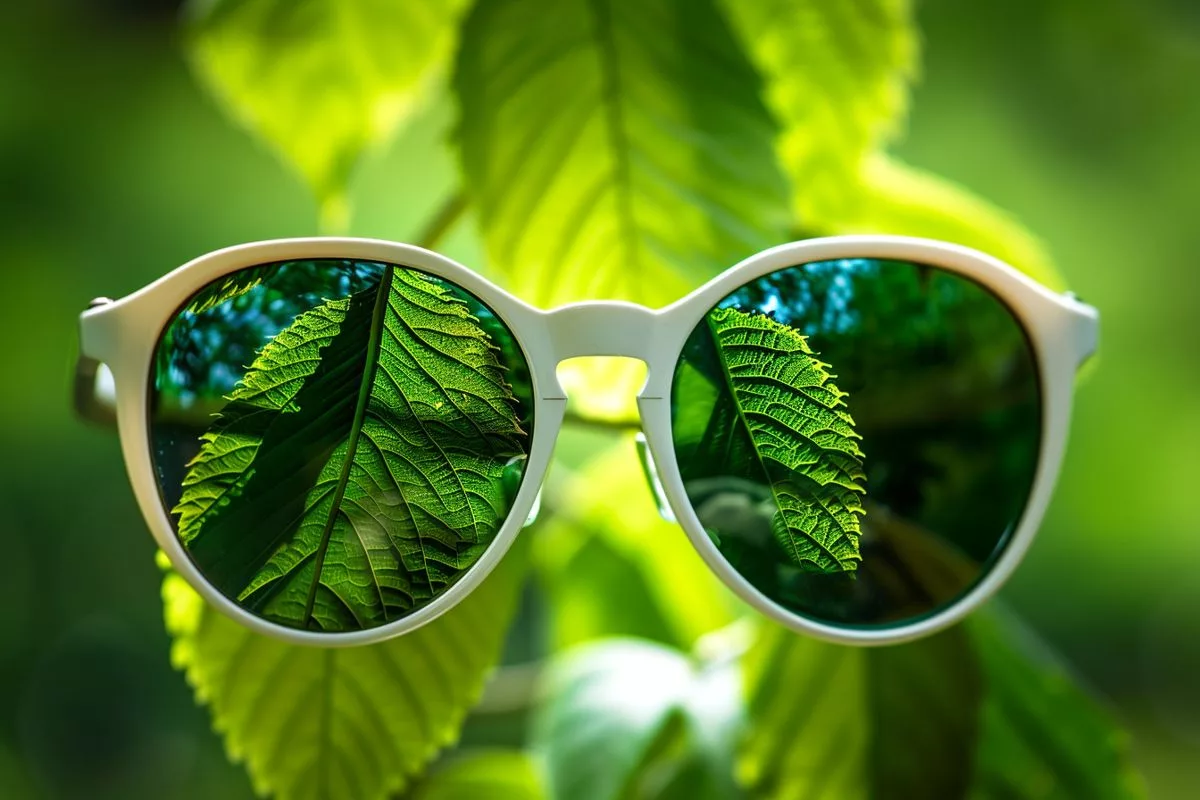
Ultraviolet light can inflict deleterious effects on the macula, an integral component of the eye, warn experts. Sunglasses of high quality that obstruct 100% of UVA and UVB rays serve as an efficient protective barrier. Wearing safety goggles while engaging in DIY projects, gardening, or sports can guard against accidental injuries, a common source of permanent visual impairment.
Striking the Screen Time Equilibrium
In the contemporary digital era, extended screen exposure can precipitate eyestrain. While not a permanent damage inducer, the discomfort it provokes can be quite unsettling. An invaluable tip is the 20-20-20 rule: take a 20-second break every 20 minutes and focus on something situated 20 feet away. Intriguingly, certain experts also advocate setting reminders for blinking exercises – a mundane act that aids in maintaining eye moisture and mitigating dryness.
The Positive Impact of a Nutrient-Rich Diet
A diet abundant in vitamins A, C, and E, along with green leafy vegetables, can fortify the eyes against oxidative damage and diminish the risk of macular injury. Further, a nutritious diet is instrumental in managing diabetes, thereby lowering the blindness risk from diabetic eye disease.
The Benefits of a Physically Active Lifestyle
Finally, the benefits of being physically active extend far beyond general health. Outdoor activities, for instance, are observed to decelerate the progression of myopia in children. Regular physical exertion promotes blood circulation to the eyes, supplying essential nutrients, facilitating the removal of waste products, and lowering the risk of several eye-related disorders. Additionally, consistent physical activity aids in managing diabetes, further lowering the risk of vision impairment.
Concluding Thoughts
In summary, eye care in 2024 is a diverse pursuit, encompassing routine vision assessments, home inspections, protective initiatives, balanced screen time, a nutrient-rich diet, and an active lifestyle. These straightforward yet effective tactics can assist us in preserving our visual health and enable us to continue relishing the splendor of the world around us.
1. Why is taking care of our eyes important in 2024?
It is more important than ever to take care of our eyes in 2024 because 80% of vision issues can be prevented or cured.
2. What role do optometrists play in eye health?
Optometrists are crucial in detecting eye diseases early, and routine assessments can reduce the risk of blindness by up to 90%.
3. What are some tips for home monitoring of eye health?
Covering each eye weekly and then observing a distant object can identify early indicators of age-related macular degeneration and other depth perception impairing conditions.
4. How can we protect our eyes?
Wearing high-quality sunglasses that block 100% of UVA and UVB rays can protect against ultraviolet light damage, and safety goggles can guard against accidental injuries.
5. How can we balance screen time and prevent eyestrain?
The 20-20-20 rule recommends taking a 20-second break every 20 minutes and focusing on something situated 20 feet away. Blinking exercises can also help maintain eye moisture and prevent dryness.
6. How can a nutrient-rich diet and physical activity benefit eye health?
A diet abundant in vitamins A, C, and E, along with green leafy vegetables, can fortify the eyes against oxidative damage and diminish the risk of macular injury. Regular physical activity promotes blood circulation to the eyes, supplying essential nutrients, facilitating the removal of waste products, and lowering the risk of several eye-related disorders.