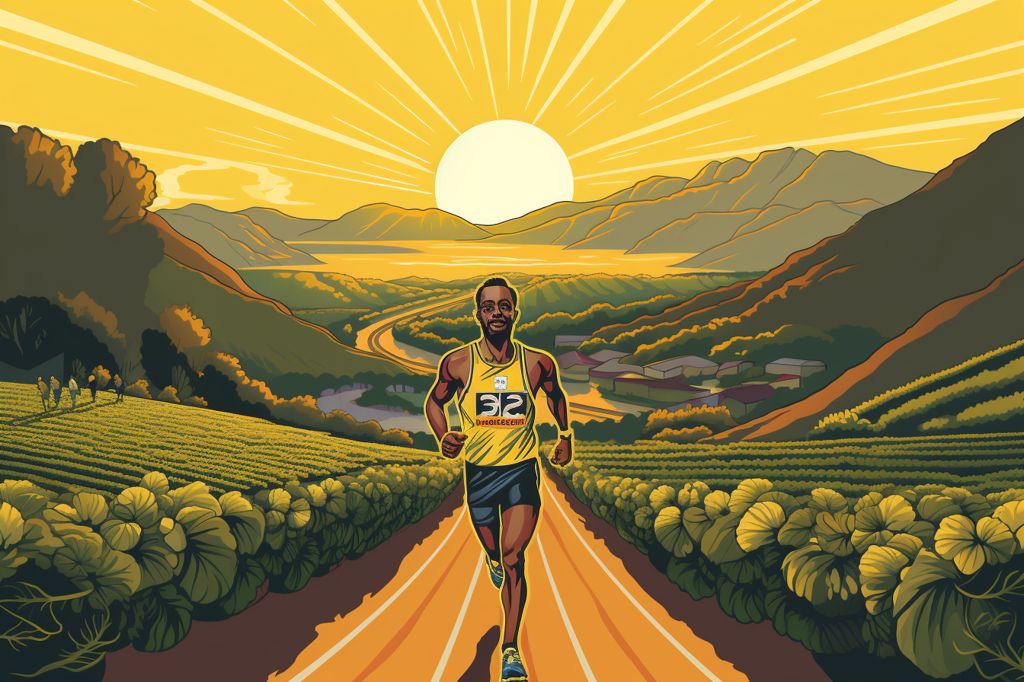
Tete Dijana’s Two-Time Success at the Comrades Marathon

1 min read
comrades marathon athlete

Tete Dijana, a North West-based athlete, has made a name for himself as a two-time winner of the Comrades Marathon, one of the most prestigious ultramarathons in the world. His recent victory has garnered him a substantial cash prize of R1.7 million, which he plans to use to secure his daughters’ futures.

Investing in His Children’s Future

Despite his numerous victories, Dijana remains humble and grounded in his priorities, revealing to Drum Magazine that he intends to invest his winnings to benefit his children. He has already used a portion of his earnings to purchase a car and construct a four-bedroom home, which is almost complete, with only the roof remaining. Dijana looks forward to living in his dream home with his family.

Newsletter

Stay Informed • Cape Town

Get breaking news, events, and local stories delivered to your inbox daily. All the news that matters in under 5 minutes.

Join 10,000+ readers
No spam, unsubscribe anytime

Ambitions Beyond Personal Wealth

Dijana’s ambitions extend beyond personal wealth. Despite having to drop out of university due to financial constraints, he hopes to resume his studies after completing a three-year contract with Nedbank. Additionally, he aspires to become a running coach and share his knowledge and experience with other athletes.

Preparation and Determination

Dijana’s success in the Comrades Marathon was not a stroke of luck. He approached the challenge with fierce determination and confidence in his abilities, reflecting on his rigorous preparation. His daily training routine involved twice-daily sessions during the week and once-daily sessions on weekends, as well as a two-month training camp.

The Role of Discipline

Dijana’s disciplined lifestyle during the training camp played a crucial role in his victory. The camp’s strict diet and training regimen focused on hill work, speed work, and distance work, with participants consuming vegetables, white meat, potatoes, and pasta while abstaining from other starches. Dijana humorously attributes his race-day power to the pap – a popular South African maize porridge – he ate two days before the event.

Inspiring Others with His Success

The Comrades Marathon is a proving ground for athletes like Dijana, who has demonstrated his dedication, talent, and unwavering focus on the future. As he continues to carve his path in the sporting world, Tete Dijana serves as an inspiring example to others, demonstrating the rewards that await those who dare to dream big and work tirelessly toward their goals.

Kagiso Petersen is a Cape Town journalist who reports on the city’s evolving food culture—tracking everything from township braai innovators to Sea Point bistros signed up to the Ocean Wise pledge. Raised in Bo-Kaap and now cycling daily along the Atlantic Seaboard, he brings a palpable love for the city’s layered flavours and even more layered stories to every assignment.

Leave a Reply

Your email address will not be published.

Previous Story

Siya Kolisi’s Journey to Recovery: Overcoming Adversity for the Rugby World Cup

Next Story

The Unconventional Relationship of Neymar Júnior and Bruna Biancardi

Latest from Blog

Redberry Farm Unpeeled: A 24-Hectare Love Letter to Strawberries, Steel and Stories

{“text”: “Redberry Farm is not just a farm; it’s a magical place where strawberries, steel, and stories come alive! You’ll see a giant gate that \”breathes\” and hear whispers of tales to come. The farm grows delicious strawberries using clever tricks like special scents and tiny \”beebots\” to help them get super sweet. You can even stay in unique rooms or get lost in a huge maze, all while the farm uses smart tech to make sure everything is good for the earth and full of flavor. It’s a place that never truly sleeps, always working to bring you the best, sweetest stories and strawberries.”}

From SABC to SARS: South Africa’s Leap Toward a Streaming-Age Public-Media Levy

South Africa is ditching its old TV license for a new, smarter way to fund public media by 2027. Instead of paying for a TV, everyone will pay a small, regular amount, like a household bill, collected by SARS. This change aims to give the SABC steady money to keep telling our stories and sharing news, even if we watch on phones or computers. It’s a big leap from dusty old TVs to the modern streaming world, making sure public broadcasting stays alive and well for everyone.

When Gold Turns to Groceries: The Afterlife of a 1995 Springbok Medal

Adriaan Richter, a 1995 Springbok rugby hero, had to auction his World Cup medal because life tackled him hard. After business dreams crashed and debts piled up, that shining medal became his last hope. It wasn’t just gold; it was a lifeline, sold to cover his children’s school fees and keep his family afloat. This onceproud symbol of victory became a stark reminder of life’s tough scrums, showing how even a hero’s glory can turn into groceries.

When a 73-Second Clip Shook Bafana: Anatomy of a Racism Storm

A 73second video of Bafana Bafana coach Hugo Broos scolding a player ignited a huge racism storm in South African football. People online shared the clip, saying a white coach was putting down a black player. This caused a big fight about race, gender, and class in the sport. SAFA worked hard to show the full video and defend their coach. In the end, the player’s mother and the team captain helped calm things down, showing the country’s complicated feelings about race.

21:00 Tonight: 83 Million Reasons to Hold Your Breath

Tonight at 9 PM, South Africa holds its breath for the PowerBall lottery. Eightythree million rand is up for grabs, a lifechanging amount for someone lucky. People pick five numbers and one PowerBall number, hoping their dreams come true. Even though winning is super hard, everyone imagines what they’d do with the money. It’s a moment when the whole country pauses, dreaming big dreams for just a few minutes.