The 11th High-Level Segment of the Regional Oversight Mechanism of the PSC Framework for the DRC and the Great Lakes Region

1 min read
psc framework drc

The Peace, Security, and Cooperation (PSC) Framework for the Democratic Republic of the Congo (DRC) and the Great Lakes Region has been instrumental in stabilizing the DRC and addressing the root causes of conflict in the region. Therefore, the upcoming 11th High-Level Segment of the Regional Oversight Mechanism (ROM) of the PSC Framework for the DRC and the Great Lakes Region is scheduled to be held from 4 to 6 May 2023, is significant as President Cyril Ramaphosa will attend it.

Aims of the PSC Framework

The PSC Framework, signed on 24 February 2013 by 11 signatories, including Angola, Burundi, the Central African Republic, the Republic of Congo, the DRC, Rwanda, South Africa, South Sudan, Tanzania, Uganda, and Zambia, aims to end the recurring cycles of devastating conflict in eastern DRC and their impact on stability and development in the Great Lakes region.

Newsletter

Stay Informed • Cape Town

Get breaking news, events, and local stories delivered to your inbox daily. All the news that matters in under 5 minutes.

Join 10,000+ readers
No spam, unsubscribe anytime

Summit Focus

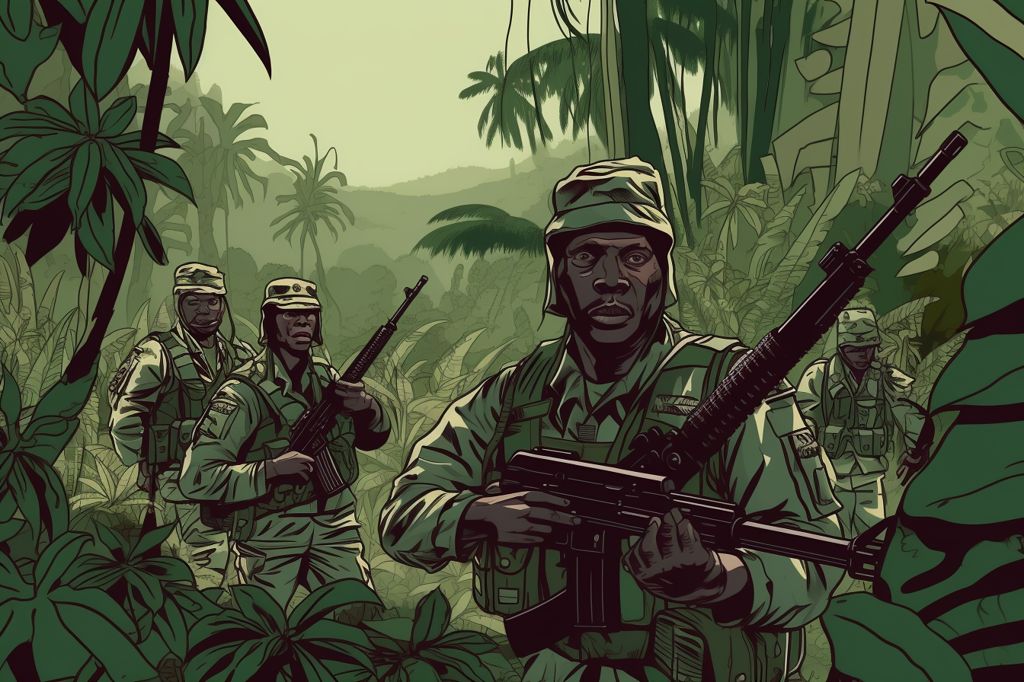
The Summit will be held against the backdrop of a deteriorating political and security situation in Eastern DRC caused by a resurgence of the M23 Movement. This has led to tensions between Rwanda and the DRC, and the Summit will receive updates on various initiatives to de-escalate tensions between the two countries.

The Summit will also discuss the deployment of East African Community (EAC) troops and their role in dealing with opposing forces in the eastern DRC, especially the M23. With 2023 marking the 10th anniversary of the PSC Framework, the Summit will focus on revitalizing the framework and consider a plan to enable this.

Sudan Crisis

The current crisis caused by the clashes between the Sudan Armed Forces and the Rapid Support Forces will likely be discussed during the Summit. President Ramaphosa will accompany Deputy Minister of International Relations and Cooperation Alvin Botes.

Overall, the 11th High-Level Segment of the Regional Oversight Mechanism of the PSC Framework for the DRC and the Great Lakes Region is a crucial summit that will address the ongoing regional conflicts and work towards a more stable and prosperous Great Lakes region.

Liam Fortuin is a Cape Town journalist whose reporting on the city’s evolving food culture—from township kitchens to wine-land farms—captures the flavours and stories of South Africa’s many kitchens. Raised in Bo-Kaap, he still starts Saturday mornings hunting koesisters at family stalls on Wale Street, a ritual that feeds both his palate and his notebook.

Leave a Reply

Your email address will not be published.

Previous Story

Driving Digital Transformation in Africa: Insights from Sentech Africa Tech Week Conference

Next Story

Recycling Cardboard: A Means of Survival for Six Women in Durban, South Africa

Latest from Blog

From Randburg to the Record Books: How Tyla Rewrote Pop History in 2:45

Tyla, a young artist from Randburg, South Africa, exploded onto the music scene with her song “Chanel.” This catchy tune, made simply on headphones, became a massive hit without biglabel help. Thanks to TikTok and Spotify’s smart playlists, her music found millions of listeners globally. Tyla’s success shows that a great song, shared widely online, can now rewrite music history and reach the top charts, even from far away. She owns her music, giving her power that earlier artists never had.

Cape Town’s “Red Wedge”: How a 900-Metre Airport On-Ramp Became South Africa’s Most Watched Kill-Zone

{“summary”: “The \”Red Wedge\” in Cape Town is a dangerous 900meter stretch of airport road. It’s famous for terrible crimes like carjackings and smashandgrabs, making it South Africa’s most watched ‘killzone.’ This area was poorly designed in the 1970s, which now helps criminals ambush cars. Even with many cameras, police struggle to stop the quick attacks. Now, a big wall is being built, and new tech like drones and special apps are helping to fight back against the robbers.”}

South Africa’s 2025 Beef Surge: When Biology, Red Tape and a Thirsty Planet Collide

South African beef prices shot up in 2025, not because of local good news, but because the world ran short of red meat. Fewer cattle everywhere and China’s pork problems made other countries hungry for South African beef. Even with local sickness and people here buying less, farmers made more money. They sold to new places like the Middle East, using special tricks to get around problems. But the future is tricky, with animal sickness, changing weather, and how much money is worth all playing a part in what happens next for South African beef.

A Province That Won’t Stop Knocking on the Constitutional Door

The Western Cape really wants to break away from South Africa, but it’s super hard because of the law. The country’s main rule says South Africa must stay as one, and changing that is almost impossible. Even though many people in the Western Cape feel left behind and want to control their own future, the government keeps saying ‘no’. So, for now, the Western Cape has to find other ways to get more power without leaving the country.