Red-light running on city roads is rising fast, with nearly half more drivers ignoring stop signals than before. This dangerous trend comes from more speeding, distracted driving, and a fading respect for traffic rules. When people chase just a few extra seconds by running reds, they risk crashes that harm many, including innocent pedestrians. Law enforcement is working hard, but safety really depends on all drivers choosing to follow the rules and care for each other on the road.
Why are red-light offenses increasing on city roads?
Red-light offenses are rising due to a 49% increase in violations, fueled by risky driving behaviors like speeding and distracted driving. Key factors include a decline in respect for traffic laws, growing individualism, and weakened social responsibility, leading to dangerous consequences on our roads.
Disturbing Trends in Road Safety
Recently, city streets have experienced a dramatic shift in road safety habits. Traffic lights, once unquestioned symbols of order, now often serve as mere suggestions for an increasing number of motorists. In the last year, the Traffic Service has reported more than 2.7 million traffic-related offenses. This number not only surpasses the populations of many cities but also signals a worrying transformation in the way we approach driving and road safety.
Of particular concern is a staggering 49% jump in red-light violations. This isn’t a minor uptick or a statistical blip; it represents a profound change in driver behavior and risk tolerance. Such a surge points to a broader societal problem, where the social agreements that guide our shared road use are beginning to unravel. The red traffic light, historically rooted in the visual language of art for its power to halt and demand attention, now struggles to command the same respect.
Similar to the early twentieth-century Futurist celebration of speed and boldness, today’s drivers seem to romanticize risk. In reality, however, this recklessness results not in progress, but in dangerous and sometimes tragic outcomes for everyone on the road.
The Cascade of Dangerous Behaviors
Red-light running rarely exists in isolation. Instead, it accompanies a variety of other hazardous choices behind the wheel. Reports indicate a 30.3% increase in other driving offenses during the same period, while incidents of overloaded vehicles rose by 15.1%. Speeding remains the most persistent violation, with over 1.8 million cases recorded in the past year alone.
Each time a driver decides to ignore a red light, speed, or overload a vehicle, they create a chain reaction of risk. According to Alderman JP Smith, these decisions can shave just seconds off a journey, but the gamble often results in much greater losses – sometimes even lives. The impact on pedestrians and other motorists becomes evident in the aftermath of collisions, where the consequences of one person’s impatience ripple outwards.
Law enforcement officials often describe city intersections as silent witnesses to this reality. The aftermath of a single reckless act – a ruined vehicle, a lost shoe, a dazed bystander – serves as a somber reminder of the stakes at play. Artists like the Cubists once depicted the city’s chaos through fragmented shapes and perspectives, a fitting metaphor for the shattered lives left behind after accidents.
Shifting Attitudes and Societal Impacts
Understanding why so many choose to ignore traffic laws requires examining deeper social changes. Alderman Smith has noted that those most likely to criticize law enforcement’s efforts are often the same individuals who frequently break the rules themselves. This attitude reflects a broader erosion of respect for authority and mutual responsibility on the roads.
Modern sociologists highlight the rise of individualism as a major contributing factor. Where public safety and communal well-being once stood at the forefront of civic concern, personal convenience now often takes priority. Many drivers, insulated by modern vehicles and digital distractions, feel disconnected from the potential consequences of their actions – a red light becomes just another obstacle, not a shared agreement for safety.
Public perception also plays a significant role. Calls for leniency and accusations of unfair targeting sometimes dominate discussions around enforcement, muddying the real issue: the need for a collective return to personal accountability behind the wheel. Without this shift, efforts to improve safety may struggle to keep pace with rising violations.
Consequences and the Broader Cost
Behind each traffic violation lies a human story – one often marked by loss, fear, and regret. The past year saw 2,272 traffic-related arrests, including 1,638 for driving under the influence of alcohol or drugs. These statistics paint a grim picture: substance abuse continues to factor heavily into the most dangerous and preventable offenses.
Reckless and negligent driving accounted for 259 additional arrests, while police charged 375 individuals with crimes ranging from robbery to providing false information during traffic stops. These numbers reveal the intersection of traffic safety and wider criminal activity, illustrating how risky behaviors on the road often go hand in hand with broader issues of lawlessness.
Emergency responders see the consequences firsthand. Accounts from paramedics make clear that a few seconds can decide the outcome of a crash. A driver’s decision to chase the yellow or ignore the red can mean the difference between a routine commute and a life-altering catastrophe. The unseen toll extends beyond accident victims to families, witnesses, and the community at large.
Enforcement Efforts and Systemic Challenges
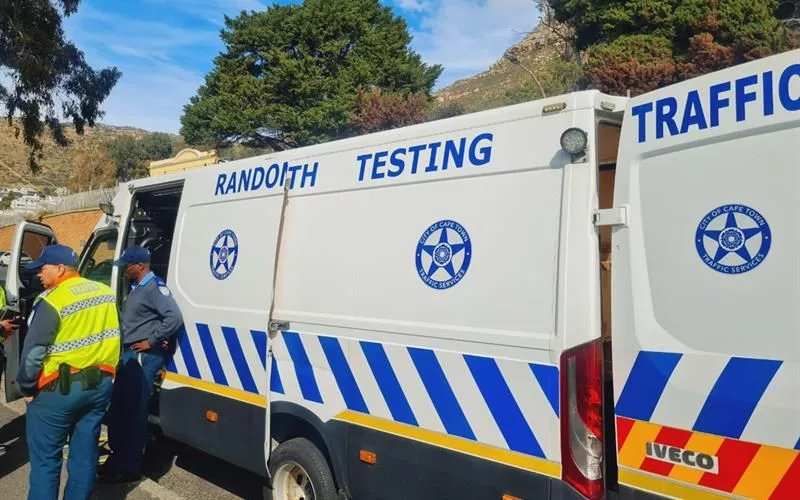
Faced with this surge in violations, law enforcement agencies continually adjust their strategies. Last year, officers towed 952 vehicles – a 61.4% increase from previous years. New tools, such as vertical lift trucks, have enhanced their ability to clear illegally parked or abandoned vehicles quickly. In just a few months, this equipment removed nearly 50 vehicles, demonstrating incremental progress.
Despite these improvements, officials admit that their resources remain stretched thin. While technology, including traffic cameras, assists in monitoring and enforcement, it cannot replace the need for a culture of compliance and mutual respect on the roads. Policymakers must strike a challenging balance between enforcing existing laws, educating the public, and fostering long-term changes in behavior.
As Alderman Smith has acknowledged, the sheer scale of violations continues to dwarf the capacity of enforcement agencies. The challenge lies not only in catching offenders but in rebuilding a sense of collective responsibility that makes widespread disregard for safety unacceptable.
Learning from History and Looking Forward
A disregard for traffic signals is not a new phenomenon. When London introduced its first electric traffic light in 1926, many drivers scoffed at the new rules. Over time, however, societies have recognized the importance of shared guidelines in preventing chaos and ensuring public safety.
Artists and thinkers have long drawn inspiration from the symbolism of the traffic light and the crossroads. The Italian surrealist Giorgio de Chirico, for example, used deserted city intersections to evoke a sense of psychological tension – a fitting analogy for today’s tense standoffs at busy crossings. These artistic reflections remind us that the struggle between individual freedom and collective order is as old as the city itself.
Despite advances in technology and law enforcement, the responsibility for road safety remains a profoundly human one. Each driver makes countless decisions every day, negotiating with others and with the rules that keep everyone safe. Behavioral economists suggest that lasting change depends not just on punishment but also on building a sense of shared duty, reinforced by public education, thoughtful urban design, and consistent consequences.
Restoring Trust and Order on the Roads
The marked rise in red-light offenses serves as both a warning and a call to action. Just as the glowing crimson of a traffic signal demands attention and restraint, the current crisis highlights the urgent need for a new social contract on our roads. Every journey is a shared act, dependent on trust and mutual respect.
As our cities continue to grow and daily routines become ever more pressured, it is essential to remember that each traffic signal is more than a mechanical device – it is a symbol of our agreement to look out for one another. Whether through stronger enforcement, better education, or a renewed commitment to public good, restoring a culture of safety on the roads should be a priority for everyone.
The future of road safety will be determined not by technology alone, but by our willingness to heed the lessons of the past and uphold the values that traffic signals were designed to protect: patience, trust, and the well-being of all who share the road.
FAQ: Understanding the Rise of Red-Light Offenses and Road Safety
What is causing the recent increase in red-light running on city roads?
Red-light offenses have surged by approximately 49%, driven largely by risky behaviors such as speeding, distracted driving, and a declining respect for traffic laws. Social changes like increased individualism and diminished social responsibility also contribute, making some drivers view traffic signals as obstacles rather than safety measures.
How are red-light offenses connected to other dangerous driving behaviors?
Red-light running often occurs alongside other hazardous actions. For example, speeding violations increased to over 1.8 million cases last year, and other offenses rose by about 30.3%. Overloaded vehicles also saw a 15.1% rise. These combined risky behaviors amplify the chance of severe accidents, endangering drivers, passengers, and pedestrians alike.
What are the consequences of ignoring red lights beyond traffic violations?
Ignoring red lights can lead to severe outcomes including crashes, injuries, and fatalities. In the past year, there were over 2,200 traffic-related arrests linked to reckless driving, including nearly 1,640 DUI cases. The ripple effects extend to families, bystanders, and emergency services, underscoring how individual impatience can result in widespread harm.
How are law enforcement agencies responding to the surge in violations?
Authorities have increased enforcement measures, including a 61.4% rise in vehicle towing and using new equipment like vertical lift trucks to clear illegal or abandoned vehicles more efficiently. Traffic cameras and other technologies support monitoring efforts. However, resource limitations mean that enforcement alone cannot solve the problem; fostering a culture of compliance remains essential.
Why is respect for traffic signals and road safety declining?
Several factors contribute to this decline, including a cultural shift toward individual convenience over communal safety and growing skepticism toward authority. Many drivers feel disconnected from the consequences of their actions due to modern distractions or a sense of anonymity in vehicles, which diminishes their sense of accountability.
What can be done to restore road safety and reduce red-light violations?
Improving road safety requires a multi-faceted approach: stronger enforcement, public education campaigns promoting shared responsibility, thoughtful urban planning, and consistent penalties for violations. Ultimately, cultivating mutual respect and recognizing traffic signals as a social contract – symbols of patience, trust, and care for all road users – is key to reversing this dangerous trend.
If you’d like more information on how to drive safely or participate in community road safety initiatives, please contact your local traffic authority or visit their website.