
Gasant Abarder’s story shows how fixing a classic Land Rover and facing tough creative challenges both teach important life lessons about patience, resilience, and learning from failure. His old, quirky vehicle demands constant care and humor, while his writing program pushes him to grow through criticism and humility. Together, they remind us that true progress comes not from perfection but from trying again, leaning on support, and finding joy in the ups and downs of the journey. In both grease and words, Abarder proves that life’s real art is in never giving up.
What life lessons can be learned from maintaining a classic Land Rover and pursuing creative challenges?
Maintaining a classic Land Rover and tackling creative challenges teach resilience, patience, and adaptability. Key lessons include:
– Embracing failure as part of growth
– Valuing persistence over perfection
– Seeking support and constructive feedback
– Finding meaning in the journey, not just the outcome
Grit in Grease and Grit in Growth
Gasant Abarder, at forty-seven, finds himself straddling two challenging worlds. In one, he battles the quirks of a vintage Land Rover, tools gripped in hands stained with oil. In the other, he wrestles with the demands of a postgraduate creative writing program, grappling with self-doubt and the steep mountain of academic expectations. These two arenas, though seemingly different, share a common thread: they both demand patience, a willingness to fail, and the determination to try again.
To Abarder and a loyal subculture of enthusiasts, the classic Land Rover is far more than just a means to get from one place to another. The Defender and its Series lineage evoke a spirit of adventure and craftsmanship seldom seen in modern vehicles. These aren’t just cars; they’re relics that harken back to a time when function trumped form, and every bolt and weld spoke of honest labor. Historically, luminaries like William Morris – champion of the Arts and Crafts movement – would have recognized this vehicle’s blend of rugged purpose and aesthetic integrity. Yet, ask any longtime owner, and they’ll admit: Land Rovers come with a notorious reputation for being temperamental, requiring constant attention and a hearty sense of humor.
From the day you acquire a classic Land Rover, you accept a life punctuated by breakdowns, leaks, and rattles. This isn’t a vehicle you simply drive; it’s one you learn to manage, coax, and sometimes curse. Common wisdom among Land Rover aficionados boils down to a simple mantra: “One life! Live it!” It’s a philosophy stenciled on countless back windows, doubling as both encouragement and a tongue-in-cheek warning. Every mishap – be it an oil-stained driveway or a fallen exhaust – becomes an invitation to dig deeper, to laugh at adversity, and to learn something new about persistence. As Abarder quips, with every exuberant “One Life! Live it!” comes the inevitable, “One Wife! Livid!” revealing the familial toll these machines sometimes exact.
Lessons from the Garage
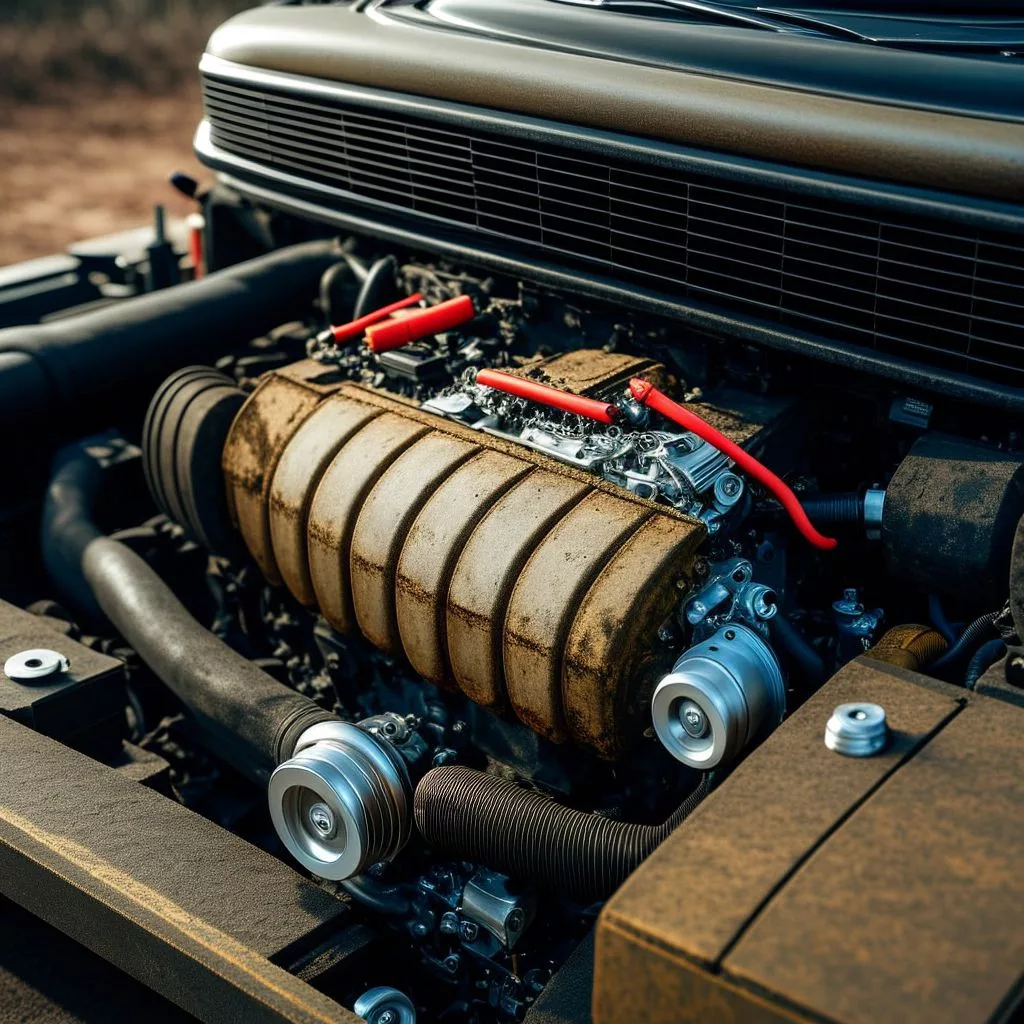
Abarder’s 1986 Land Rover 110, powered by an attention-hogging V8, serves as both a daily challenge and a source of wisdom. Each repair project – whether it’s a snapped exhaust or a recalcitrant bolt – offers more than just mechanical insight. It’s about recalibrating expectations, accepting small victories, and finding satisfaction in progress, however incremental. These moments in the garage, spent hunched over battered metal, take on the quality of meditation. Abarder learns that progress rarely arrives in tidy packages, and that true growth springs from stubborn perseverance rather than quick fixes.
Even in an age of digital convenience, Abarder finds resourcefulness remains key. When faced with particularly perplexing Land Rover issues, he turns to ChatGPT. By approaching the AI with politeness and detailed questions, he discovers not only practical advice but also a surprising boost of encouragement. The exchange, blending digital expertise with human warmth, underscores our modern search for knowledge – one that depends as much on attitude as on algorithms.
While his Land Rover keeps him grounded in the tangible world of nuts and bolts, Abarder’s intellectual journey challenges him on different terms. His postgraduate creative writing program poses obstacles that, though less greasy, are no less daunting. The dreaded mini-thesis, an academic Mount Everest, reveals just how deeply past habits must be reexamined and how vulnerable true learning can make us feel.
Navigating Creative Challenges
Abarder’s professional past as a journalist and published author gave him confidence – perhaps too much of it – when he entered his writing program. Gone were the fast-paced newsroom deadlines and the easy camaraderie of colleagues. In their place, he faced a blank page that demanded vulnerability, humility, and a willingness to absorb criticism. At times, he found himself using Land Rover repairs as an escape – a convenient distraction from the creative uncertainties that loomed on his desktop.
His early optimism soon collided with reality. In his first poetry seminar, he named Dr. Dre as a major influence – an honest answer that drew incredulity from his professors. He soon discovered that his professors prized the traditions of formal verse and literary heritage. This clash of perspectives echoed the creative upheavals of literary history – when innovators like T.S. Eliot broke from Victorian norms, opening poetry to fresh voices and forms despite initial resistance.
Abarder didn’t retreat. Instead, he leaned into the discomfort. When he questioned the absence of rhyme and conventional structure, he discovered how symbolism and narrative depth could compensate for formal constraints. As the course shifted toward place-based writing, the challenge intensified. He finished near the bottom of a small class, a humbling outcome that stung but did not defeat him. Gradually, he realized the value of constructive criticism. Honest feedback, while sometimes painful, became the forge in which his writing skills sharpened.
The Value of Support and the Truth About Failure
Behind every hard-won lesson lies a support system. Abarder credits five key figures with helping him weather these twin trials. His therapist, essential to his mental health, helps him untangle emotional obstacles and stay grounded. At work, a coach pushes him to grow professionally without sacrificing authenticity. Three female mentors, each remarkable in her own right, offer guidance, encouragement, and the occasional tough love. Together, this informal council echoes the creative circles of history – reminding us that meaningful growth is seldom a solo endeavor.
Abarder’s journey, in the garage and the classroom, is ultimately about learning to fail well. In a culture obsessed with unbroken achievement, failure often feels taboo. Yet, history teems with stories of triumphant persistence: Thomas Edison’s countless attempts to perfect the lightbulb, the Impressionists’ early struggles for acceptance, and countless others who found brilliance on the far side of disappointment. For Abarder, every stubborn bolt and bruising critique becomes a metaphor for the unpredictable, often messy process of personal evolution.
His battered Land Rover, with its dings and leaks, serves as a constant reminder that perfection is neither possible nor necessary. The real accomplishment lies in showing up, embracing setbacks, and refusing to let them define you. In both mechanics and creativity, the process matters more than any single outcome.
Embracing Imperfection: The Path Forward
The lessons Abarder draws from his Land Rover and his academic journey mirror the challenges faced by many in our rapidly changing world. As uncertainty becomes the norm, adaptability and resilience take on new urgency. The Renaissance, with its flourishing of art and science, emerged from a culture willing to experiment, question, and risk failure. The same willingness animates Abarder’s journey – whether he’s wrangling with a stubborn exhaust or wrestling a difficult paragraph into shape.
Across every field and endeavor, the advice holds: welcome imperfection, seek out wise counsel, and let setbacks teach you rather than defeat you. Satisfaction rarely comes from a flawless performance; instead, it grows from the stubborn determination not to give in. The road, whether paved or potholed, stretches onward – full of surprises, setbacks, and, ultimately, opportunities to grow.
In the end, Abarder’s tale of resilience is not just about fixing cars or crafting stories. It’s a reminder that the real art of living lies in our willingness to keep moving forward, to value the journey over the destination, and to find meaning in every challenge along the way.
FAQ: The Art of Resilience – Lessons from Gasant Abarder’s Land Rover and Creative Journey
1. What core life lessons does Gasant Abarder’s experience with a classic Land Rover and creative writing teach?
Gasant Abarder’s story highlights key life lessons such as resilience, patience, adaptability, and the importance of learning from failure. Both maintaining his vintage Land Rover and facing creative challenges in his postgraduate writing program demonstrate that true progress comes from persistence, embracing setbacks, seeking support, and valuing the journey rather than perfection or immediate success.
2. Why is maintaining a classic Land Rover considered a metaphor for life’s challenges?
Classic Land Rovers, like Abarder’s 1986 Land Rover 110, are known for their temperamental nature, frequent repairs, and quirks. This ongoing need for care and humor serves as a metaphor for life’s unpredictability and the importance of patience, problem-solving, and perseverance. Each breakdown or repair is an opportunity to learn, adapt, and find satisfaction in incremental progress – a reminder that life’s art lies in never giving up.
3. How does Abarder’s creative writing journey complement his experience with his Land Rover?
While the Land Rover grounds Abarder in the tangible, hands-on world of repairs, his creative writing program challenges him intellectually and emotionally. Both require humility, openness to criticism, and a willingness to fail and try again. His writing journey mirrors the stubborn perseverance required in mechanics, teaching him that vulnerability and constructive feedback are essential for growth and skill development.
4. What role does support play in Abarder’s journey of resilience?
Support is vital to Abarder’s ability to navigate his challenges. He credits a therapist for emotional grounding, a workplace coach for professional growth, and three female mentors for guidance and encouragement. This network reflects the universal truth that meaningful growth and resilience are rarely achieved alone – having trusted advisors and a support system makes setbacks more manageable and progress more sustainable.
5. How does Abarder use modern technology, like AI, in his problem-solving process?
Despite the old-school nature of his Land Rover, Abarder embraces modern tools like ChatGPT to help troubleshoot complex mechanical issues. By engaging politely and providing detailed queries, he gains both practical advice and encouragement. This blend of human attitude and AI assistance illustrates how embracing new technologies can complement traditional skills and support continuous learning.
6. What is the broader significance of embracing imperfection according to Abarder’s story?
Abarder’s experiences teach that imperfection is inherent and unavoidable, whether in machines or creative work. Rather than striving for flawless results, the real achievement lies in persistence, openness to failure, and continual effort. This mindset – welcoming setbacks as opportunities for growth – is crucial today amid uncertainty, encouraging adaptability and resilience as the true pathways to meaningful progress and fulfillment.
If you want to explore resilience further or learn more about Gasant Abarder’s approach, these lessons offer inspiration for anyone facing personal or professional challenges.