Step into the captivating world of South African artist Hanneke Benadé’s latest solo exhibition, ‘Sense of Place’. Located at the Union House Block Gallery in Cape Town’s central business district, this collection of larger-than-life pastel drawings and smaller still-life portraits explores the profound bond between subject and environment. Through the interplay of feelings, memories, and encounters, Benadé captures the complex relationship between humans and the natural world, offering a unique perspective on our sense of belonging. Open until December 1, 2023, this exhibition is a must-see for art enthusiasts and curious explorers alike.
What is Hanneke Benadé’s exhibition ‘Sense of Place’ about?
‘Sense of Place’ is a collection by South African artist Hanneke Benadé that explores the bond between subjects and their surrounding environment. It delves into the interplay of feelings, memories, and encounters that fashion our sense of place and includes five larger pieces and 20 smaller works that incorporate specific items and landscapes that mirror a sense of belonging in both tangible and metaphorical terrains. Visitors can experience this exhibition until December 1, 2023, at Union House Block Gallery in Cape Town’s central business district.
Inside Cape Town’s Center of Artistic Expression
Situated amidst the lively pulse of Cape Town and set against the canvas of South Africa’s dynamic cultural scene stands a refuge for artistry – the Union House Block Gallery. Here, distinguished South African artist Hanneke Benadé presented her newest solo exhibition, titled ‘Sense of Place’. This collection serves as a thoughtfully gathered compilation of stories, charting her exploration into the profound bond between subject and their surrounding environment.
Benadé is best known for her larger-than-life pastel drawings. They are not mere representations on a paper canvas. Rather, they are personal, meticulous moments of her subjects, suspended in time. The medium of pastels she employs infuses vitality into her work, rooting them in realism. Frequently, her creations delve into character studies, capturing the nuanced emotions of her models through the medium of portraiture.
A New Artistic Milestone: ‘Sense of Place’
‘Sense of Place’ though, signifies a deviation from her previous works. Within this exhibition, Benadé dives deeper into the correlation between the subject and its terrain. She engages in the interplay of feelings, memories, and encounters that fashion our sense of place. Benadé perceives this collection as a considerable turning point in her artistic career. It encapsulates our interaction with nature – its role in sculpting our identity, influencing our outlook, and resonating our sense of belonging.
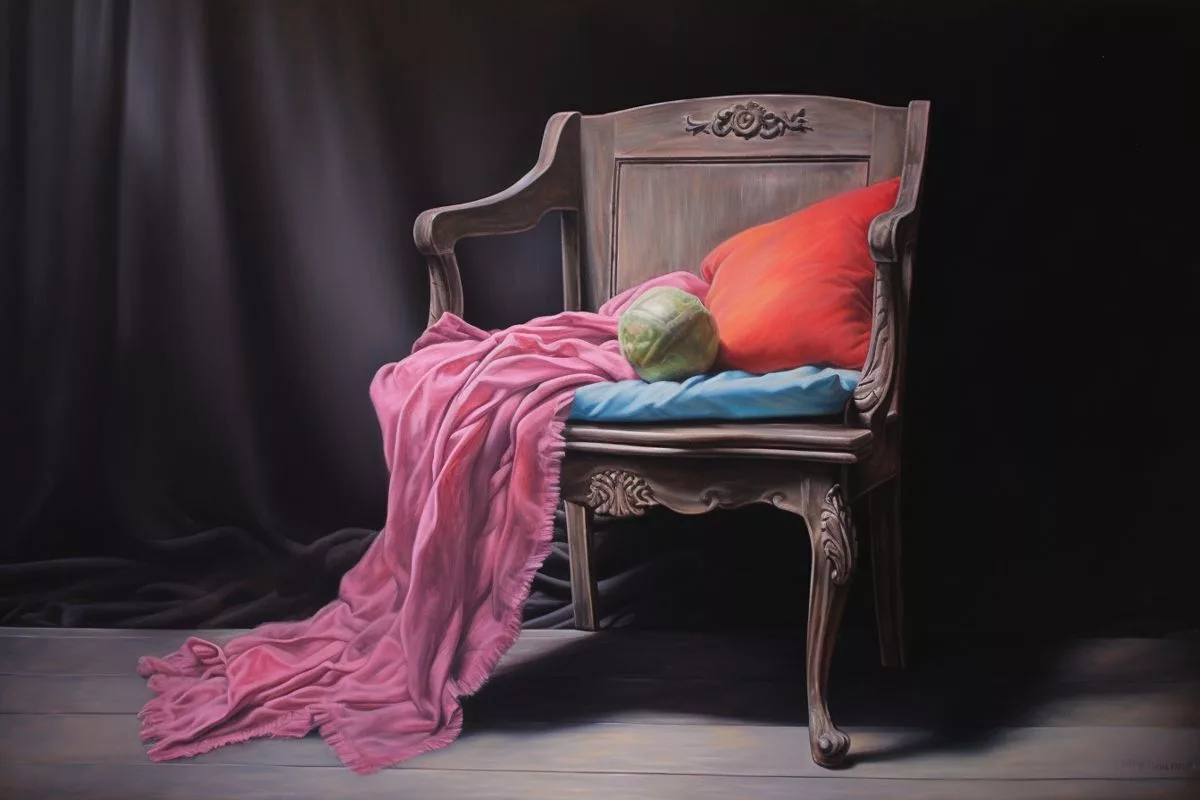
This intricate network of connections can be observed in her five larger pieces and 20 smaller works. Along with her customary subjects, she incorporates specific items and landscapes that mirror a sense of belonging in both tangible and metaphorical terrains. For instance, a chair in her representation is not only a place for rest or reflection, but it also denotes the act of asserting space. The smaller pieces of art are still-life ‘portraits’ of objects that hold a particular place in her life, featuring flowers, spoons, fruit, and tableware.
The Evolution of Hanneke Benadé’s Artistry
Hanneke Benadé, a University of Pretoria Fine Arts graduate, boasts a remarkable portfolio. Her body of work features a stunning series of solo and group exhibitions, reaching far beyond South Africa to England, France, Egypt, and Germany. The accolades she has received – such as the Brett Kebble Art Award in 2003 and two Kanna Awards at the Klein Karoo Nasionale Kunstefees (KKNK) in 2008 – are a testament to her unique artistic talent.
‘Sense of Place’ is a tribute to Benadé’s evolving artistic voyage and her exceptional ability to capture the human condition. It might be one of her most insightful exhibitions to date, offering spectators a sneak peek into her worldview. It presents a chance to delve into her psychological landscape, engage with her experiences of place and space, and appreciate the profound relationship between the self and the environment.
Visit ‘Sense of Place’
The exhibition is accessible to the public until 1 December 2023 and is situated at Union House, 25 Commercial Street, in Cape Town’s bustling central business district. The gallery is open from Monday to Friday, from 9 am to 4 pm. Whether you’re an experienced art connoisseur or a casual observer, ‘Sense of Place’ provides a distinct perspective through which to explore and appreciate the world. It is an experience certainly worth the visit.
1. What is Hanneke Benadé’s exhibition ‘Sense of Place’ about?
‘Sense of Place’ is a collection by South African artist Hanneke Benadé that explores the bond between subjects and their surrounding environment. It delves into the interplay of feelings, memories, and encounters that fashion our sense of place and includes five larger pieces and 20 smaller works that incorporate specific items and landscapes that mirror a sense of belonging in both tangible and metaphorical terrains. Visitors can experience this exhibition until December 1, 2023, at Union House Block Gallery in Cape Town’s central business district.
2. What distinguishes Hanneke Benadé’s pastel drawings from other artists?
Hanneke Benadé’s pastel drawings are not mere representations on a paper canvas. Rather, they are personal, meticulous moments of her subjects, suspended in time. The medium of pastels she employs infuses vitality into her work, rooting them in realism. Frequently, her creations delve into character studies, capturing the nuanced emotions of her models through the medium of portraiture.
3. How does ‘Sense of Place’ differ from Hanneke Benadé’s previous works?
‘Sense of Place’ signifies a deviation from her previous works. Within this exhibition, Benadé dives deeper into the correlation between the subject and its terrain. She engages in the interplay of feelings, memories, and encounters that fashion our sense of place. Benadé perceives this collection as a considerable turning point in her artistic career. It encapsulates our interaction with nature – its role in sculpting our identity, influencing our outlook, and resonating our sense of belonging.
4. What accolades has Hanneke Benadé received for her work?
Hanneke Benadé, a University of Pretoria Fine Arts graduate, boasts a remarkable portfolio. Her body of work features a stunning series of solo and group exhibitions, reaching far beyond South Africa to England, France, Egypt, and Germany. The accolades she has received – such as the Brett Kebble Art Award in 2003 and two Kanna Awards at the Klein Karoo Nasionale Kunstefees (KKNK) in 2008 – are a testament to her unique artistic talent.
5. Where is ‘Sense of Place’ located, and when is it accessible to the public?
The exhibition is accessible to the public until 1 December 2023 and is situated at Union House, 25 Commercial Street, in Cape Town’s bustling central business district. The gallery is open from Monday to Friday, from 9 am to 4 pm.
6. Who would enjoy visiting the ‘Sense of Place’ exhibition?
Whether you’re an experienced art connoisseur or a casual observer, ‘Sense of Place’ provides a distinct perspective through which to explore and appreciate the world. It is an experience certainly worth the visit for art enthusiasts and curious explorers alike.