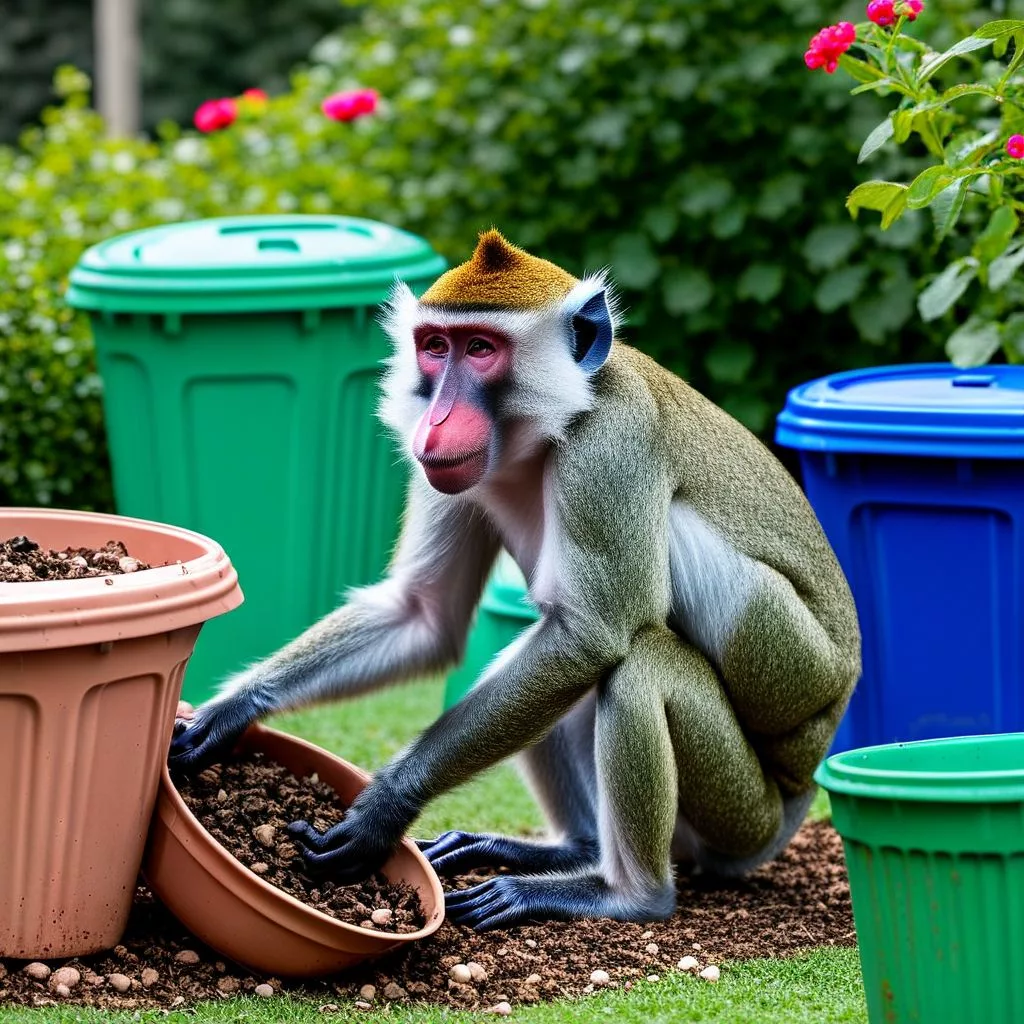
In the beautiful coastal town of Simon’s Town, wildfires have forced clever baboons to seek food and shelter among people. As these playful primates rummage through gardens and trash bins, locals have mixed feelings—some find them funny, while others are frustrated by the chaos they cause. To help harmony thrive, residents are encouraged to keep their homes secure, avoid feeding the baboons, and support efforts to restore their natural habitat. By making smart choices, both humans and baboons can share this vibrant space together, reminding us all of our bond with nature.
How Can Humans Coexist with Baboons in Urban Areas?
To foster coexistence with baboons in urban areas like Simon’s Town, residents should:
– Secure homes and waste disposal systems.
– Avoid feeding baboons to reduce their reliance on human food.
– Support conservation efforts focused on habitat restoration.
This approach promotes harmony and protects wildlife.
The Aftermath of Devastation
Recent wildfires have ravaged the Cape Peninsula, leaving destruction that extends far beyond the charred earth and decimated vegetation. These fires have disrupted essential baboon habitats, pushing these clever primates into urban areas such as Simon’s Town in their quest for sustenance and shelter. This situation serves as a stark reminder of the fragile equilibrium between human communities and the natural environment—a balance that, when upset, often leads to unexpected outcomes.
Urban Infiltration
Following the retreat of the flames, the baboons found their usual food sources annihilated, forcing them to scavenge in areas inhabited by people. The serene coastal town of Simon’s Town now finds itself unexpectedly hosting these desperate newcomers. Baboons have become a frequent sight, rummaging through gardens, upending trash bins, and even venturing into homes. These visits have elicited a range of reactions from the locals: some residents are entertained by the baboons’ boldness, while others experience frustration due to property damage, stolen food, and occasional aggression.
There is a humorous side to this unexpected coexistence. Residents have shared stories of baboons displaying strikingly human-like behavior. For example, one baboon was seen using a pedestrian crossing with surprising adeptness, leading a local to joke, “Why did the baboon cross the road? To show it could follow the rules better than some humans.” These anecdotes, while amusing, highlight the baboons’ intelligence but also hint at an underlying tension in their relationship with humans.
Rising Tensions: The Human-Baboon Conflict
The increased proximity between humans and baboons has amplified encounters, often resulting in conflict. Frustrated residents sometimes turn to harmful methods of deterrence, despite laws that protect baboons as part of South Africa’s wildlife. Incidents have been reported where baboons were shot with pellet guns or poisoned, a grim reflection of the escalating conflict.
Businesses, especially restaurants, have had to adapt rapidly. Establishments now use baboon-proof trash bins and maintain strict vigilance, keeping doors and windows tightly shut. One café owner recounted an incident where a baboon managed to snatch a loaf of bread right off a shelf, noting, “It was as if he knew exactly what he wanted.”
Conservation Efforts: Striving for Harmony
To address the growing conflict, conservation groups have begun implementing innovative strategies aimed at promoting peaceful coexistence. One notable initiative involves a monitoring program where volunteers track baboon movements and gently steer them away from highly populated areas. This approach not only mitigates immediate conflicts but also provides valuable data on baboon behavior and movement patterns.
Another major strategy involves baboon-proofing the town. This includes securing waste disposal systems, discouraging residents from feeding the baboons, and enforcing strict guidelines on human-baboon interactions. “Creating an environment where baboons don’t see urban areas as a buffet is vital,” explains a local conservationist.
However, the most sustainable solution lies in rehabilitating the baboons’ natural habitat. Several conservation groups have launched projects to restore the fire-damaged areas by planting native vegetation, which provides the baboons with their traditional food sources. This ecological restoration not only benefits the baboons but also helps preserve the biodiversity of the Cape Peninsula.
Balancing Act: Stricter Measures vs. Non-Invasive Solutions
The debate over how best to manage the baboon situation in Simon’s Town continues. Some advocate for more stringent measures, such as relocating baboon troops away from residential areas. Proponents argue that this could offer immediate relief to residents who endure frequent incursions. However, relocation presents significant logistical challenges and raises ethical questions about the displacement of wildlife.
Conversely, many conservationists and residents favor non-invasive solutions. They emphasize the need for ongoing monitoring, enhanced habitat restoration, and educational campaigns aimed at fostering harmony with baboons. “We must learn to share our space with these remarkable creatures,” asserts a local wildlife biologist.
A Vision for Symbiosis
The baboons in Simon’s Town are not mere intruders; they are resilient survivors adapting to a landscape drastically changed by natural disasters. Their presence compels a reflection on human responsibility towards wildlife. The choices made by the residents of Simon’s Town in response to this challenge will shape the future of their coexistence with these intelligent primates.
For now, local authorities and conservationists urge residents to secure their homes, refrain from feeding baboons, and support ongoing conservation efforts. By doing so, they can help restore the delicate balance between urban life and nature, ensuring a future where both humans and baboons can thrive.
In the unfolding saga, the baboons of the Cape Peninsula stand as symbols of resilience and adaptability. Their story serves as a powerful reminder of the interconnectedness of all living beings and the shared duty to protect our planet’s dwindling natural habitats.
FAQ: The Baboon Dilemma in Cape Town’s Fire-Scarred Landscape
What has caused baboons to invade urban areas like Simon’s Town?
The recent wildfires in the Cape Peninsula have devastated the natural habitats of baboons, forcing them to seek food and shelter in urban areas. With their usual food sources destroyed, these clever primates have turned to scavenging in human-inhabited spaces.
How can residents in Simon’s Town help promote coexistence with baboons?
Residents can foster harmony by securing their homes and waste disposal systems, avoiding feeding the baboons, and supporting conservation efforts aimed at restoring their natural habitats. This proactive approach helps maintain a balance between urban life and wildlife.
What are some common interactions between locals and baboons?
Interactions vary widely; some residents are entertained by the baboons’ antics, while others experience frustration due to property damage and food theft. Anecdotes, such as baboons using pedestrian crossings, highlight their intelligence but also the tension that can arise from their presence in urban settings.
What measures are being taken to address human-baboon conflicts?
Conservation groups are implementing strategies like monitoring baboon movements to gently guide them away from populated areas. Additionally, businesses are adopting baboon-proof trash bins and increasing vigilance to minimize human-baboon encounters.
Are there ethical considerations regarding relocating baboon troops?
Yes, relocating baboon troops raises significant logistical challenges and ethical questions about displacing wildlife. Many conservationists advocate for non-invasive solutions, emphasizing habitat restoration and educational campaigns to encourage peaceful coexistence.
How can residents support conservation efforts for baboons?
Residents can support conservation initiatives by participating in local habitat restoration projects, advocating for responsible waste management, and staying informed about the importance of maintaining wildlife safety. By making informed choices, they contribute to preserving both the baboons and the biodiversity of the Cape Peninsula.