The Benefits of Home Composting

1 min read
home composting sustainable living

Home composting is an effective and straightforward way to reduce waste and decrease greenhouse gas emissions. By composting organic waste, you can turn it into nutrient-rich soil that can be used for gardening and landscaping purposes. It can also help households save money on waste disposal costs and reduce reliance on chemical fertilizers.

City of Cape Town’s Home Composting Programme

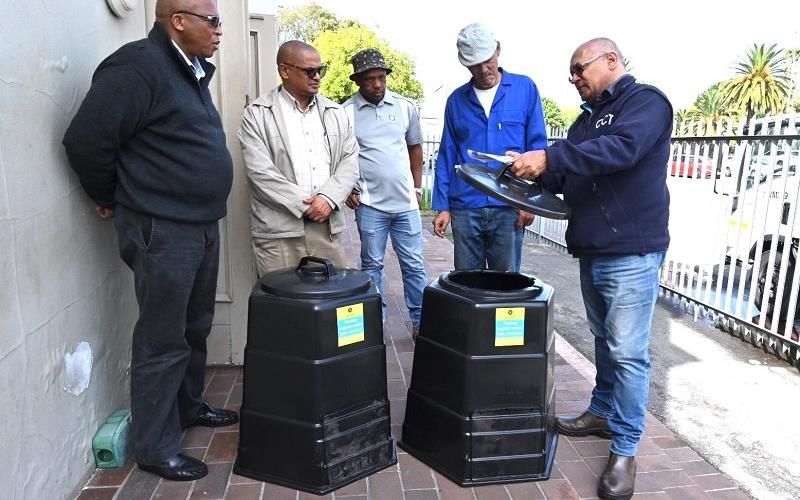
The City of Cape Town’s home composting initiative is an excellent illustration of how local governments can promote sustainable living practices. The programme distributes free composting containers to households, making it easy for residents to start composting at home. The scheme has been successful in diverting organic waste from landfills, resulting in a decrease in greenhouse gas emissions.

Newsletter

Stay Informed • Cape Town

Get breaking news, events, and local stories delivered to your inbox daily. All the news that matters in under 5 minutes.

Join 10,000+ readers
No spam, unsubscribe anytime

Indoor Composting

Composting is not limited to households with gardens. Even those who live in apartments can participate in composting through indoor systems that use worms to break down organic waste. These systems are compact and can be stored in closets or under kitchen sinks.

Composting and Sustainability Education

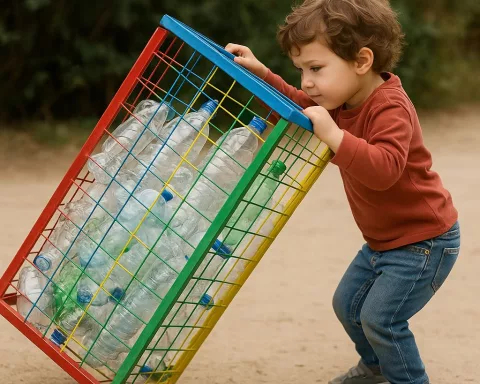
Composting can also help promote sustainability education among children. By engaging kids in the composting process, they can learn about the importance of conserving natural resources and reducing waste. Composting can also be a fun, interactive activity that the whole family can engage in.

Additional Ways to Reduce Food Waste

Aside from home composting, there are other ways to reduce food waste and promote sustainability. Planning meals, buying only what is needed, and storing food correctly can all help minimize the amount of food that ends up in landfills. Donating excess food to local food banks or community organizations is another way to reduce waste and benefit those in need.

Conclusion

As individuals, we can all take small steps to reduce our environmental impact. Starting a compost bin at home is a simple yet effective way to contribute to a more sustainable future. The City of Cape Town’s home composting programme is an excellent example of how local governments can support sustainable living practices and reduce greenhouse gas emissions.
Isabella Schmidt is a Cape Town journalist who chronicles the city’s evolving food culture, from Bo-Kaap spice merchants to Khayelitsha microbreweries. Raised hiking the trails that link Table Mountain to the Cape Flats, she brings the flavours and voices of her hometown to global readers with equal parts rigour and heart.

Leave a Reply

Your email address will not be published.

Previous Story

A Story of Perseverance and Inspiration: Sean Clarke’s Journey

Next Story

Rykaart’s: Simple, Contemporary Flavors in Stellenbosch

Latest from Blog

Forty Metres of Air: The Morning Kiteboarding Rewrote Physics

Hugo Wigglesworth, a young kiteboarder, defied gravity and rewrote the record books by soaring an incredible 40 meters into the air. He used powerful winds, a perfectly timed jump off a wave, and special gear to achieve this amazing feat. His careful planning and hundreds of practice runs made him fly higher than anyone before, showing the world what’s possible in kiteboarding.

Airbnb Under Fire: How Cape Town’s Housing Crunch Became a Tourism Blame-Game

Cape Town’s housing woes are NOT really Airbnb’s fault, even though a viral photo tried to blame them! The real problem is that not enough homes are being built, and lots of new people are moving to the city. Getting building permits takes forever, making homes expensive. Airbnb brings in lots of money and jobs, and even if all Airbnbs disappeared, it wouldn’t fix the big housing shortage. The city needs to build more homes and make it easier to do so, not just point fingers at tourists.

Cape Town’s Hottest Tables: Where Summer Tastes Like Salt, Smoke and Midnight Vinyl

Cape Town’s new restaurants are super exciting, offering amazing tastes from the ocean, farms, and even old recipes. Places like Amura serve unique sea dishes, while Tannin has a huge wine list and tiny plates. Café Sofi bakes heavenly pastries, Beach Buns makes awesome burgers, and Le Bistrot de JAN mixes French and South African flavors. These spots let you taste the city’s lively food scene, from fancy dinners to casual beach eats, making every meal an adventure.

Between Concrete and Current – Four Inland Hearts Meet the Indian Ocean

This article tells a beautiful story of four South Africans from inland places who see the Indian Ocean for the very first time. For many, the sea is just a picture, far away and hard to reach. But when these brave people finally touch the salty water, it changes them deeply. They feel the ocean’s power, taste its salt, and understand that this huge, blue world is now a part of their own story, breaking down old ideas about who can connect with the sea.