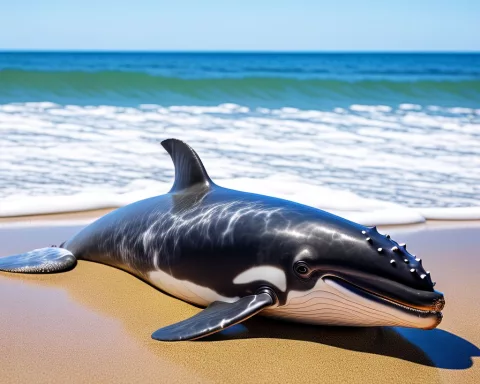
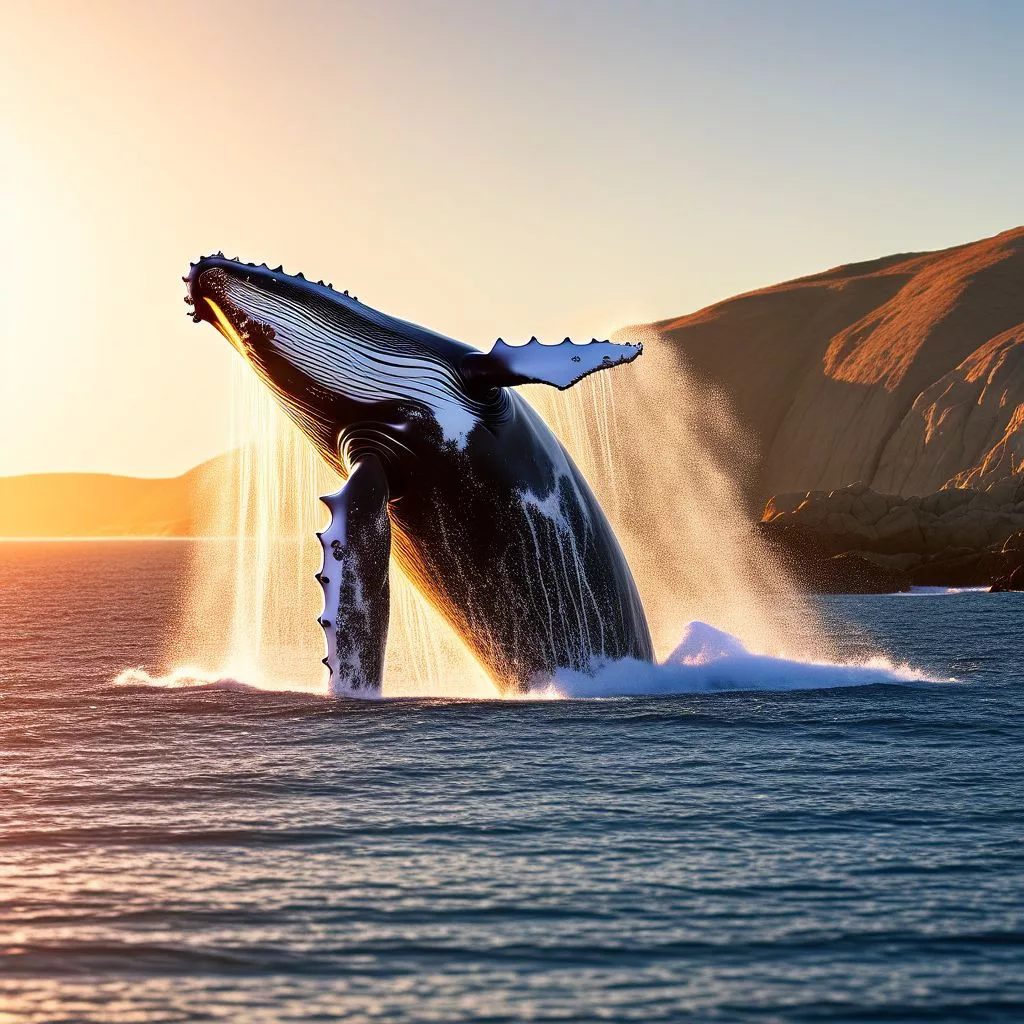
From July to November, the Cape’s coast bursts to life as giant southern right whales return to its sheltered bays. Visitors can watch these majestic creatures breach, play with calves, and glide close to shore, creating unforgettable moments. Guided tours, boat trips, and storytelling bring the whales’ ancient journey alive, mixing thrilling wildlife encounters with local culture and history. This magical season not only celebrates nature’s wonders but also shines a light on conservation and community, making whale watching in the Cape a truly special experience.
When is the best time for whale watching in the Cape?
The best time for whale watching in the Cape is between July and November, when southern right whales migrate to the sheltered bays. This seasonal return offers close encounters, guided tours, and opportunities to see calves, breaching whales, and other marine life along the scenic coastline.
The Seasonal Return of Giants
As autumn arrives in the southern hemisphere, the atmosphere along the Cape changes dramatically. Coastal towns, typically peaceful and quiet, begin to stir with anticipation. This shift doesn’t just mark a change in weather—it signals the arrival of the southern right whales. These immense creatures embark on an annual migration, retracing ancient routes to the Cape’s sheltered bays and rugged shorelines. From Fish Hoek’s gently sloping beaches to the lively docks at Gansbaai, the spectacle draws visitors from across the globe who hope to catch a glimpse of these marine mammals just a stone’s throw from the land.
The tradition of observing the whales along the Cape runs deep. Long before eco-tourism became popular, these waters echoed with stories of the whales’ dominance. In Hermanus, often dubbed the world’s whale-watching capital, townspeople once relied on the signals of a town crier to catch sight of a breaching whale. Over time, the scene has shifted from harpoons and legends to binoculars, cameras, and guided walks—but the sense of wonder remains unchanged.
Now, the coastline becomes a living amphitheater every winter. On any given morning, the salty breeze may carry the thrill of adventure and a whisper of local folklore. Whales glide through the waves, sometimes so close their spouts and tails become part of the landscape. For many, the experience is more than a fleeting sighting; it’s an entry into a tapestry of nature, culture, and history that the Cape has woven over centuries.
Immersive Whale Watching Experiences
Witnessing the southern right whales’ journey captivates both the heart and the mind. These gentle giants migrate thousands of kilometers from Antarctic feeding grounds to the warmer, protected waters of the Cape, where they give birth and tend to their calves. Their presence transforms the coastline into a stage of spontaneous performances—one moment a colossal fin crashes through the surface, the next a curious calf leaps skyward.
Green Cape Tours offers a deep dive into this natural wonder with full-day outings. Their guests begin from the panoramic cliffs of Hermanus, soaking in sweeping ocean views, and continue with guided walks that reveal the region’s unique flora and birdlife. Between sightings, participants enjoy local wine tastings, connecting whale watching to the Cape’s enduring traditions of hospitality and viticulture.
Oceans Africa takes a more tailored approach. Based in Fish Hoek, their marine professionals craft journeys that blend early morning launches, mist-shrouded bays, and afternoons tracking not only whales but the shifting moods of the Atlantic. These trips often span several days, allowing travelers to explore hidden stretches of the coastline, each with its own ecosystem and character. Guides share stories of memorable encounters and the ever-changing behavior of the whales as they navigate these historic waters.
Community, Access, and Enrichment
Today’s whale watching along the Cape stands out for its inclusivity. The Simon’s Town Boat Company has made it a mission to ensure everyone can experience the magic of whale watching. With wheelchair-accessible boats and a strong focus on safety, they welcome guests of all abilities. For many, the excitement builds as the boat gently rocks and a whale surfaces nearby—an encounter that creates both personal memories and collective awe. The guides, often seasoned sailors or marine biologists, share their expertise along with a genuine passion for the sea.
In Hermanus, Sandown Bay Fishing Company brings a sense of tradition to every outing. Their guides hail from Hawston, a nearby community with generations of seafaring history. These local experts narrate the intertwined destinies of whales and the people who have relied on the sea for both resources and inspiration. Their tours offer more than just thrilling views—they immerse guests in the shared story of conservation and survival that defines the region.
Hermanus Whale Watchers takes pride in creating intimate encounters. Certified guides lead small groups, introducing visitors to specific whales that return year after year. These guides don’t just point out whales; they share stories about individual animals, recounting details about a curious calf or a protective mother. This approach transforms each outing into a more personal experience, highlighting the connections between humans and the wild creatures offshore.
Expanding the Adventure: The Marine Big Five and Beyond
For those seeking a broader marine adventure, Gansbaai’s Dyer Island Cruises introduced the concept of the “Marine Big Five.” Guests venture out not only in search of southern right whales but also dolphins, seals, penguins, and the infamous great white shark. Each trip becomes a voyage of discovery, echoing the spirit of early explorers charting unknown waters. Participants fill their notebooks with sightings, caught up in the excitement as dorsal fins and flippers surface around the boat.
Ivanhoe Sea Safaris, operating from Gansbaai as well, offers two-hour excursions along the coastlines of Hermanus and De Kelders. The experience is never the same twice—sometimes visitors enjoy dramatic whale breaches, other times playful dolphins or the rare sight of a sunfish drifting in the current. The sea keeps its secrets, revealing its treasures only to those who wait patiently. For families or photographers, private charters turn the day into an individualized quest, tailored to the interests of each group.
Captain Jacks in Hout Bay adds a spontaneous twist to whale watching. Their trips respond quickly to reports of nearby whale activity, ensuring guests have the best chance at close encounters. The diversity in these waters is remarkable—whales, dolphins, seals, and sunfish appear in a constantly shifting cast. Friendly, knowledgeable guides interpret the action, weaving each sighting into a story that makes every outing unique.
Conservation and the Future of Whale Watching
The Cape’s whale watching operators understand that their livelihoods depend on healthy oceans. Southern Right Charters, based in Walker Bay, embodies this philosophy with their motto: “Observing NOT Disturbing.” They follow strict guidelines to keep a respectful distance from the whales, allowing the animals to approach if they choose. Southern right whales, curious by nature, often swim alongside the vessels to investigate. This approach ensures that whale watching remains a sustainable activity, protecting both the whales and their environment for future generations.
Whale watching in the Cape has become a powerful force for economic growth and conservation. Once, whaling ships plied these waters, driven by the demand for oil and bone. Today, tourism fuels local economies and supports critical research and marine protection efforts. Operators partner with scientists, contributing valuable data and sharing their knowledge with visitors. This collaboration strengthens the region’s identity as a beacon for sustainable marine tourism.
The industry also fosters a strong sense of community. Guides, researchers, and guests come together, united by a shared love of the ocean. Each tour feels like a collective exploration, marked by the thrill of a whale breaching or the quiet satisfaction of a sighting recorded. For many, whale watching rekindles a childlike sense of wonder, inviting them to imagine uncharted horizons and the mysteries that lie just beyond the next wave.
Celebrating a Living Heritage
As winter turns to spring between July and November, the Cape’s shores transform into a vibrant gallery of marine activity. Each tour company, with its own style and traditions, contributes to a mosaic that celebrates the region’s rich connection to the ocean. Whale watching here is more than a pursuit; it’s a tribute to the resilience of nature and the enduring relationships between people and the wild sea. The Cape’s renewed embrace of its giant visitors has inspired both awe and stewardship, ensuring that this living heritage continues to enchant, educate, and unite all who stand by the water’s edge.
1. When is the best time to go whale watching in the Cape?
The prime whale watching season in the Cape runs from July to November. During these months, southern right whales migrate from their Antarctic feeding grounds to the Cape’s sheltered bays to breed and nurture their calves. This period offers visitors close encounters with breaching whales, playful calves, and other fascinating marine life along the scenic coastline.
2. What types of whale watching experiences are available?
There is a diverse range of whale watching experiences in the Cape, including:
- Guided coastal walks and cliff-top viewing, such as those offered by Green Cape Tours in Hermanus, which combine whale spotting with local flora, birdlife, and wine tastings.
- Boat trips from operators like Oceans Africa, Simon’s Town Boat Company, and Sandown Bay Fishing Company, some tailored for multi-day adventures exploring remote bays and ecosystems.
- Private charters and small group tours for a more intimate experience, often led by certified guides who share stories about individual whales.
- Spontaneous trips from operators like Captain Jacks in Hout Bay, responding to real-time whale sightings for the best chance of close encounters.
3. Are whale watching tours accessible for people with disabilities?
Yes, inclusivity is a priority for many whale watching operators. For example, the Simon’s Town Boat Company offers wheelchair-accessible boats and emphasizes safety to ensure guests of all abilities can enjoy the experience. Guides on these tours are often marine biologists or seasoned sailors who provide expert commentary and support throughout the journey.
4. What other marine wildlife can I expect to see during whale watching tours?
Besides the majestic southern right whales, many tours in the Cape offer sightings of a variety of marine species, often referred to as the “Marine Big Five.” These include:
- Dolphins
- Seals
- Penguins
- Great white sharks (notably in Gansbaai)
- Occasionally, sunfish and other unique ocean creatures
These encounters enrich the whale watching experience, making each trip a broader marine adventure.
5. How do whale watching operators contribute to conservation?
Operators in the Cape follow strict “Observing NOT Disturbing” guidelines to ensure whale watching is sustainable and non-intrusive. They maintain respectful distances, allowing whales to approach if they wish. Many companies collaborate with marine scientists, contributing valuable data on whale behavior and populations. This partnership helps protect southern right whales and their habitats, supports ongoing research, and promotes awareness about marine conservation among visitors.
6. What makes whale watching in the Cape a unique cultural and natural experience?
Whale watching in the Cape is deeply rooted in local history and community traditions. From the days when towns relied on whale sightings for livelihood to today’s eco-tourism and storytelling, the activity connects visitors to a rich tapestry of nature, culture, and heritage. Guided tours often incorporate local folklore, seafaring history, and the Cape’s renowned hospitality, including wine tastings and community involvement. This blend of thrilling wildlife encounters, cultural enrichment, and conservation awareness makes whale watching here a truly special and memorable adventure.