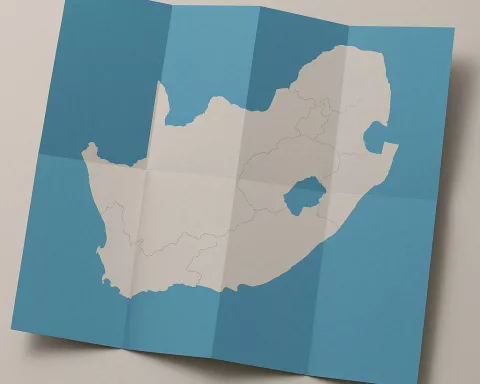
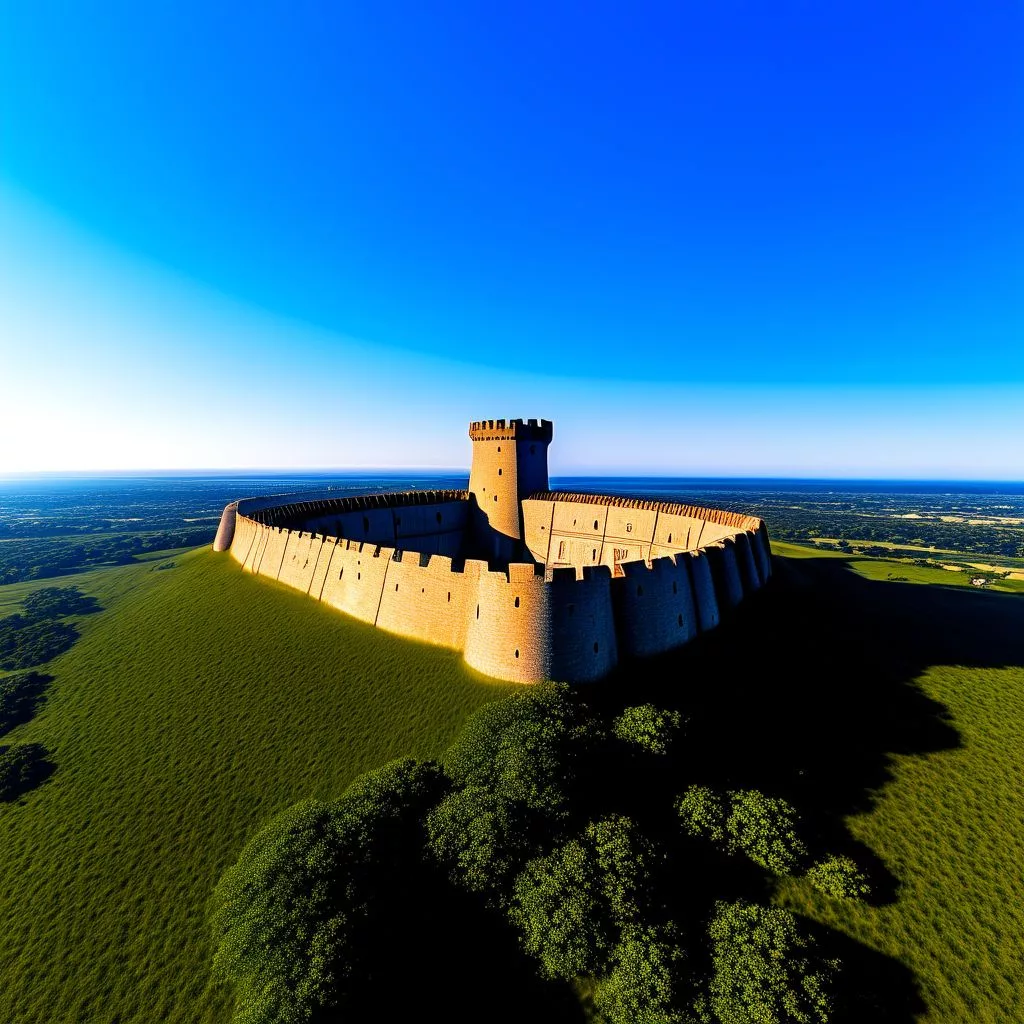
The Castle of Good Hope in Cape Town is South Africa’s oldest fortress, built over 350 years ago by the Dutch. It has seen many roles – from a military fort to a prison – and holds stories of struggle, hope, and change. Now carefully restored, the Castle welcomes visitors to explore its old walls and learn about the many people and histories it holds. This living monument stands as a powerful reminder of the past while shining light on a shared, hopeful future.
What is the Castle of Good Hope and why is it important?
The Castle of Good Hope is South Africa’s oldest colonial fortress, built between 1666 and 1679 in Cape Town. It symbolizes the country’s complex history, serving as a military fort, prison, and cultural site, now undergoing restoration to preserve its heritage and promote inclusive stories of the past.
A Landmark of Transformation
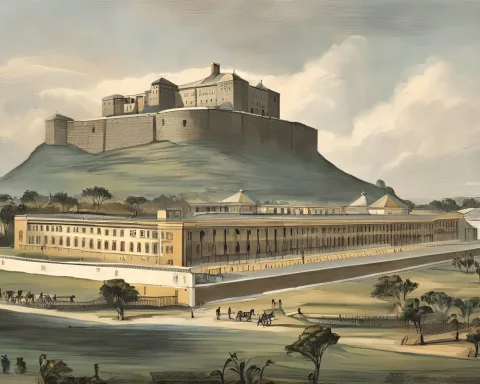
In the heart of Cape Town, among the city’s ever-evolving landscape, the Castle of Good Hope stands as a steadfast symbol of South Africa’s turbulent past and dynamic present. Built by the Dutch East India Company between 1666 and 1679, this pentagonal fortress is not only the country’s oldest surviving colonial building but also a silent observer of nearly four centuries of change. Its weathered silhouette has overseen empires rise and fall, witnessed migrations that reshaped the Cape, and served as the backdrop to many pivotal moments in South Africa’s story.
Approaching the Castle along Darling Street, visitors find themselves drawn into a striking juxtaposition: modern city life flows around sun-baked walls that have stood since the seventeenth century. The fortress, crafted in the star-shaped style popular in Renaissance Europe, embodies both strategic pragmatism and aesthetic vision. Dutch engineers who planned the Castle paid meticulous attention to both form and function, incorporating thick, angular bastions – each honoring a Dutch noble family – and orienting the structure to command sweeping views of Table Bay. The design reflects the ideals of European fortification but is also distinctly shaped by the natural drama of South Africa’s coastal landscape.
Within these formidable walls, the Castle’s story continues to unfold. Early Cape Town developed around this hub, its courtyards alive with soldiers, traders, indigenous Khoikhoi, and enslaved people brought from far-flung corners of the Indian Ocean world. Today, as sunlight falls across the arcades and cobbled yards, it’s easy to imagine the bustle of bartering merchants, the disciplined march of troops, and the everyday dramas that filled the fortress for generations. Ongoing restorations have ensured that much of this architectural heritage endures, from the flourish of the ornate Kat Balcony to the stark, military precision of the ramparts.
A Living Monument Under Renewal
Far from being a static relic, the Castle of Good Hope is currently undergoing a thoughtful and ambitious restoration. Visitors exploring the site will often catch sight of workers methodically repairing roofs battered by the Cape’s fierce winter storms, waterproofing the oldest sections to protect against future weather. The restoration teams have replaced broken windowpanes with new glass that glitters in the afternoon sun, and they’ve carefully matched fresh paint to the original ochre-yellow pigment – a color chosen by the Dutch long ago to lift the spirits of those stationed in this far-flung outpost.
The gardens, once overgrown and neglected, are also being revived. Workers painstakingly clear away vegetation that had crept between the ancient bastions, revealing structural lines and sightlines lost for decades. The scents of newly turned earth and fresh paint mingle with the salty Atlantic breeze, signaling renewal. Much-needed upgrades extend to essential infrastructure: aging water pipes are being replaced and modern security systems introduced, securing both the Castle’s treasures and the safety of its many visitors. Calvyn Gilfellen, the Castle’s CEO, oversees these operations, taking care to balance historical authenticity with modern techniques. He points out that restoration work hinges on the rhythms of Cape Town’s wet and dry seasons, noting that many tasks pause entirely until the weather permits safe progress.
This new phase is about much more than preserving stone and mortar. Unlike many heritage sites that close during restoration, the Castle keeps its doors open. Guests continue to explore the iconic five bastions – Leerdam, Buuren, Katzenellenbogen, Nassau, and Oranje – each named after Dutch fortresses and each offering unique views of the city, Table Mountain, and the bustling cityscape beyond. The ongoing work contributes to a sense of anticipation, as visitors become witnesses to both the Castle’s storied past and its evolving future.
Embracing a Complex Legacy
Inside, the Castle serves as a vibrant center for learning and reflection, housing an array of museums and galleries. The William Fehr Collection draws visitors with evocative portraits and landscapes that capture the colonial imagination. Exhibits tracing the fortress’s military history offer perspectives on its shifting functions: once the heart of Dutch power, later the seat of British administration, and at times a prison for those who resisted authority.
These exhibitions do not gloss over the darker aspects of the Castle’s legacy. Instead, they encourage visitors to confront the realities of colonial rule, the suffering endured by enslaved and indigenous peoples, and the resilience of local cultures in the face of adversity. The Castle’s walls echo with stories of hardship and hope – a narrative further enriched by the legends passed down through generations. One guide may recount the fortress’s survival during the British bombardment of 1795, its bastions battered but unbroken. Another shares tales of the “Lady in Grey,” a ghost said to haunt the dungeons – a poignant reminder of lives shaped and scarred within these walls.
The very fabric of the Castle embodies a history of adaptation. Dutch builders crafted its walls from locally quarried stone, anticipating threats from both land and sea. Over the centuries, the fortress absorbed the influences of successive rulers; the British altered the parade ground, introduced new ceremonial functions, and repaired damages from conflict. Through every transformation, the Castle remained a touchstone for Cape Town’s evolving identity – a symbol of both authority and survival.
Heritage for a New Generation
Today’s restoration acknowledges the Castle’s broader, multicultural significance. No longer seen solely through the lens of military or colonial power, the site now celebrates its layered heritage. Community groups use the Castle for music, storytelling, and public education, while events and exhibitions explore the diverse African, Asian, and European influences that have shaped Cape Town. The yellow bastions, once a projection of Dutch strength, now serve as a canvas for conversations about reconciliation, memory, and shared futures.
The Castle thrives with life, especially on bright afternoons. Schoolchildren race through historic archways, their laughter ricocheting off ancient stones. Artists capture the play of light and shadow across the bastions, while visitors pause in the old cells to reflect on exhibits about the anti-apartheid struggle and the continuing journey toward justice in South Africa. The visible scaffolding signals not decay, but hope – a promise that the Castle’s story continues to unfold.
As Cape Town’s neighborhoods stretch toward the mountains and sea, the Castle stands anchored at the city’s heart. The blend of old and new animates every visit: trams pass the historic moat, contemporary art hangs beside centuries-old tapestries, and digital guides accompany traditional storytelling. Once a symbol of colonial rule, today the Castle invites everyone to explore, reflect, and find meaning within its walls.
In this sense, restoration transcends the mere repair of bricks and mortar. It is an act of reimagining what the Castle represents for future generations – a gesture of stewardship and a commitment to inclusive history. As cities worldwide wrestle with the legacies of empire and the realities of change, Cape Town’s Castle of Good Hope stands as both guardian of memory and beacon for renewal. Its ongoing revival serves as a testament to the enduring power of heritage – and to the stories we choose to pass on.
What is the Castle of Good Hope and why is it important?
The Castle of Good Hope is South Africa’s oldest colonial fortress, built by the Dutch East India Company between 1666 and 1679 in Cape Town. It is historically significant as a military fort, prison, and administrative center, symbolizing the complex and layered history of South Africa. Today, it serves as a cultural heritage site that preserves stories of colonialism, resistance, and resilience, making it a vital monument for understanding the nation’s past and envisioning a shared future.
What are the unique architectural features of the Castle of Good Hope?
The Castle is designed in a star-shaped or pentagonal layout popular in Renaissance Europe, featuring five bastions named Leerdam, Buuren, Katzenellenbogen, Nassau, and Oranje – each honoring Dutch noble families. Its thick walls and angled bastions were built for strategic defense, oriented to command views of Table Bay. Dutch engineers combined functionality with aesthetic details, such as the ornate Kat Balcony, reflecting both military pragmatism and European design influences adapted to the South African coastal environment.
How is the Castle of Good Hope being preserved and restored today?
Currently, the Castle is undergoing extensive restoration aimed at preserving its architectural heritage while upgrading essential infrastructure. Restoration efforts include repairing roofs damaged by weather, replacing broken windowpanes with historically accurate glass, repainting walls with original ochre-yellow pigment, reviving gardens, and modernizing security and water systems. Importantly, the Castle remains open during these renovations, allowing visitors to witness the ongoing renewal of this living monument.
What can visitors expect to experience inside the Castle?
Visitors can explore the historic five bastions with panoramic views of Cape Town and Table Mountain, tour museums and galleries such as the William Fehr Collection, and learn about the Castle’s military, colonial, and cultural history. Exhibits openly address difficult topics including colonial rule, slavery, and resistance movements, offering a balanced and reflective visitor experience. Guides share stories and legends, including tales of the “Lady in Grey” ghost, enriching the visit with historic and cultural depth.
How does the Castle of Good Hope engage with South Africa’s diverse communities today?
The Castle serves as a vibrant cultural hub hosting community events, music, storytelling, and educational programs that celebrate the multicultural heritage of Cape Town. It fosters conversations about reconciliation, memory, and shared futures, transforming from a symbol of colonial power into a space for reflection and unity. The site actively promotes inclusivity by highlighting African, Asian, and European influences and encouraging dialogue on the nation’s ongoing journey toward justice.
Why is the Castle of Good Hope considered a “living monument” rather than just a historic site?
Unlike static heritage sites, the Castle of Good Hope actively evolves through ongoing restoration, community engagement, and educational initiatives. It embodies centuries of change, adaptation, and resilience – from colonial colonial fortress to cultural landmark. Its restoration work not only preserves its physical structure but also reimagines its role for future generations as a place of learning, remembrance, and hope, making it a dynamic symbol of South Africa’s past and future.