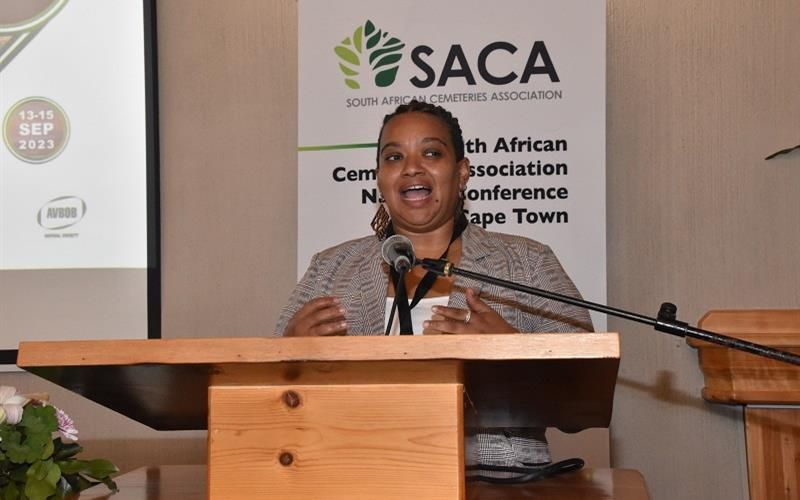
The South African Cemeteries Association (SACA) is celebrating its 10th anniversary by hosting this year’s national conference in Cape Town. The three-day event brings together delegates from across South Africa and beyond to discuss sustainable burial methods and share best practices. Through this non-profit organization, SACA aims to empower local authorities, enhance service delivery, and advocate for good governance in cemetery and crematorium management.
Post Life… What Remains
The conference, held at Durbanville Memorial Park, has the theme of “Post Life… What Remains.” This thought-provoking topic draws in industry experts and thought leaders in cemetery management and memorial services. They share their experiences, insights, and vision for the future of the industry.
Responding to the Impact of Covid-19
Cyril Mtambo, Deputy Chairperson of the conference, underscores the significance of the theme in the context of the recent Covid-19 pandemic. This unprecedented crisis has affected the way we mourn and bury our loved ones, leaving unhealed scars and painful memories. In this challenging time, the theme resonates with the country’s experiences and the pressing need to reevaluate and adapt traditional burial practices.
Welcoming the Attendees
For the first time in Cape Town, the conference is greeted by Councillor Patricia Van der Ross, the Mayoral Committee Member for Community Services and Health. She expresses her gratitude to the attendees, representing the academic, government, and industry sectors. Van der Ross emphasizes the importance of their work in preserving the memory of the departed and maintaining cemeteries as places of reverence, reflection, and historical significance.
Addressing Cape Town’s Challenges
Cape Town, like many cities worldwide, faces challenges with interment issues. The city has a death rate of approximately 0.8% annually, which puts high demands on its cemetery and crematorium facilities. Numerous cemeteries have reached their capacity, and available land is contested for various purposes. Additionally, the environmental and land use approval processes for cemetery development can take several years to complete.
To address these issues, Cape Town is currently upgrading and expanding the capacity of its Maitland Crematorium. The city also encourages the reuse of family graves, alternative burial options such as cremation and mausoleums, and partnerships with communities, religious institutions, and stakeholder groups to achieve higher standards.
Fostering Collaboration and Innovation
Councillor Van der Ross acknowledges that Cape Town’s challenges are not unique, making the conference even more crucial. It offers an opportunity to foster collaboration, share best practices, and inspire innovation in cemetery management and preservation. The conference also aims to explore the impact and influence of cemeteries on the environment and society. By working together, attendees can ensure that cemeteries remain dignified, tranquil, and historically significant places for generations to come.
The Cape Town Cemeteries Conference is a testament to the dedication and passion of professionals in the cemetery and memorial services sector. Participants forge new alliances, exchange experiences, and learn from one another, collectively improving the industry and the communities they serve.