
South Africa’s citrus industry is a lifeline for many rural communities, providing jobs and supporting local services through its vibrant orchards. But new U.S. import tariffs, jumping from 10% to 30%, threaten to make exporting fruit costly, risking delays, spoilage, and lost income. Farmers and workers worry that these trade rules could disrupt their way of life, while leaders plead for more time to negotiate fairer terms. This struggle shows how global trade decisions ripple far beyond borders, touching real people whose futures depend on every carton shipped.
How do U.S. import tariffs affect South Africa’s citrus industry?
U.S. tariffs on South African citrus directly impact rural economies by increasing export costs from 10% to 30%, threatening jobs, delaying shipments, and risking spoilage. These tariffs affect growers, workers, and communities relying on citrus exports for livelihoods and local services.
The Lifeblood of Rural South Africa
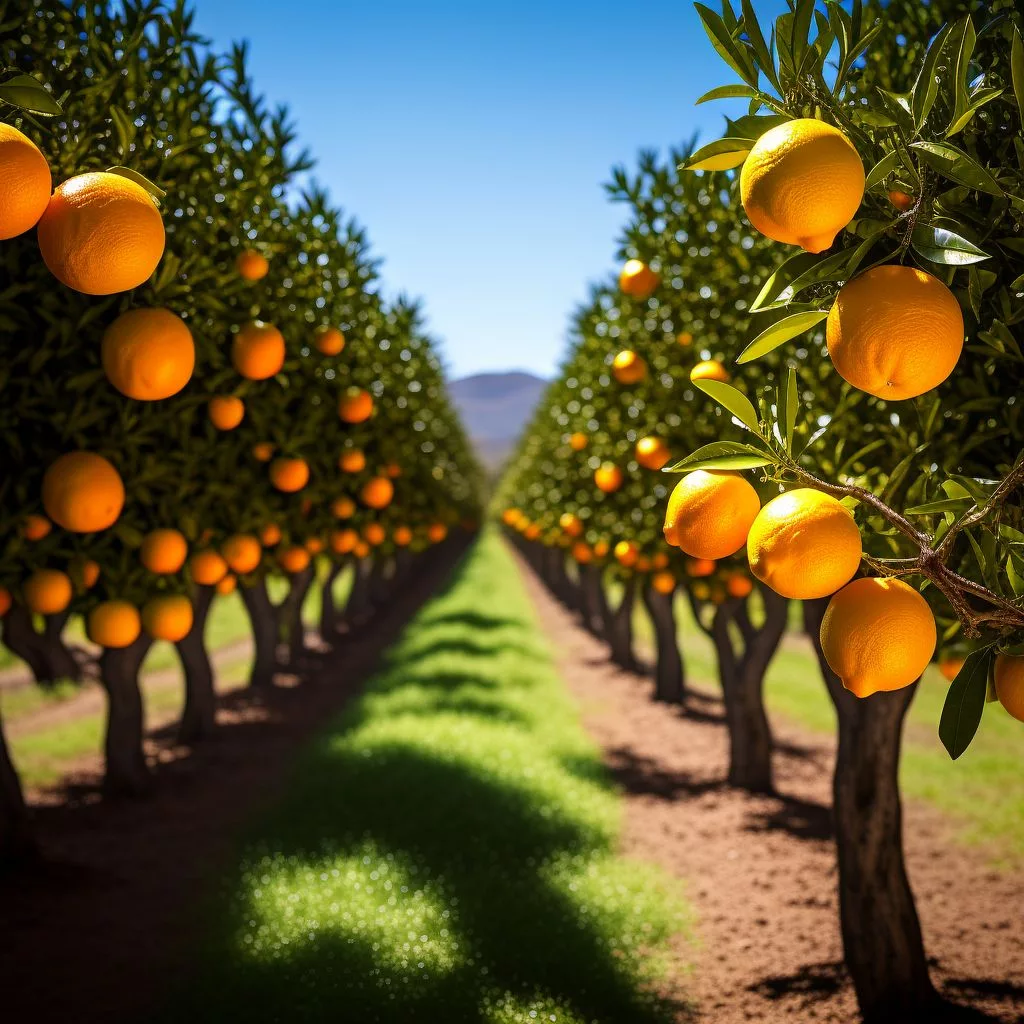
Along the arid valleys of the Northern and Western Cape, winter transforms the landscape as citrus orchards come alive with vibrant hues. Oranges, lemons, and easy-to-peel mandarins dangle in abundance, their glossy skins promising both sweetness and sustenance. For decades, these orchards have become more than a backdrop—they anchor entire communities through seasonal rhythms and economic stability.
Each year, when domestic American supply dwindles, nearly seven million cartons of South African citrus journey by ship from Cape Town to the United States. These shipments are vital, not just for international balance sheets, but for the workers and families who rely on the annual export cycle for their livelihoods. Local tradition and global commerce intersect beneath the sun-drenched canopies, creating a delicate ecosystem where the fate of a harvest links directly to the wellbeing of rural towns.
Generational ties run deep here. From farm workers to packhouse managers, entire communities organize their lives around citrus. The sector’s impact ripples outward—sustaining transporters, mechanics, and retailers, while funding clinics, schools, and other public services. In this unique environment, a single change in international trade policy can threaten far more than farmers’ profits; it can reverberate across the whole social fabric.
Trade Barriers and Rising Anxiety
Late July brings a wave of apprehension to South Africa’s citrus sector. The United States has announced a steep 30% import tariff set for implementation at the start of August. Until now, growers have benefited from a much lower 10% tariff, allowing them a competitive edge during the American off-season. The looming increase casts a shadow over the midpoint of the 2025 export season, as thousands of pallets wait in packhouses, ready for shipment yet facing an uncertain fate.
Dr. Boitshoko Ntshabele, CEO of the Citrus Growers’ Association (CGA), steps forward as the industry’s voice in this moment of crisis. He emphasizes that the tariff’s impact goes far beyond financial calculations. Each carton of fruit represents more than a commodity—it stands for the jobs, families, and businesses woven into the rural economy. Dr. Ntshabele’s advocacy highlights the human dimension behind trade numbers and the anxiety mounting as the tariff deadline approaches.
The CGA has directed an urgent appeal to President Cyril Ramaphosa, seeking an extension of the existing 10% tariff. The request is not for an indefinite exemption, but for a temporary reprieve—breathing space to engage in meaningful negotiations with U.S. trade partners. Failing this, they urge that fresh, highly perishable produce at least receives special consideration, so that the fleeting bounty of the harvest does not spoil in warehouses while bureaucracies deliberate. The CGA’s plea underscores that, for citrus, time is a precious and nonrenewable asset.
The Ripple Effect of Policy Shifts
Inside the region’s packing facilities, tension is tangible. Workers race against the clock, sorting and packaging fruit with expertise gained over years of seasonal cycles. With half the export season already behind them, uncertainty over tariffs threatens to leave tens of thousands of cartons stranded. Perishable goods operate on strict schedules; any delay or market disruption risks significant losses and undermines the financial foundations of the entire supply chain.
The stakes could not be higher. In many rural areas, citrus is the economic engine that keeps small towns running. Gerrit van der Merwe, the CGA’s Chairman, describes citrus as “the economic heart of the area”—not just another crop, but the lifeblood of local employment and opportunity. Should access to the U.S. market contract, the consequences would extend far beyond farm gates. Local businesses, social initiatives, and municipal services all depend on the vitality of the citrus sector.
The anxieties facing South African citrus producers echo those felt by farmers worldwide. As supply chains globalize, the rewards of open markets come with heightened vulnerability. The ebb and flow of international commerce, from the colonial spice trade to modern-day agri-exporters, consistently remind us that market access can offer prosperity one moment and risk the next. For today’s citrus growers, digital tracking and advanced storage help manage logistics, but no amount of technology can insulate them from distant policy decisions.
Navigating Complexity: Markets, Standards, and the Future
The CGA’s call for help acknowledges the intricate realities of international agricultural trade. Calls for “market diversification” often arise in policy circles, but shifting fruit from one export market to another is far from simple. Each importing country enforces its own plant health and quality standards. Citrus grown for the U.S. cannot always be redirected to Europe, China, or India without meeting a new set of scientific, regulatory, and logistical requirements. The maze of international bureaucracy and phytosanitary protocols sets firm boundaries on flexibility.
Yet amid this uncertainty lies the promise of growth. The CGA projects that, with new orchards and sustained investment, the citrus industry could generate 100,000 new jobs by 2032. This ambition is not just about weathering short-term crises, but about envisioning a thriving, sustainable future for rural South Africa. Every export supports not just the farmer but also teachers, healthcare workers, and young adults returning home with new prospects. The citrus sector, in this sense, acts as a linchpin for wider community renewal.
Citrus exports symbolize more than trade flows—they represent the ongoing relationship between land stewardship, human labor, and the world marketplace. The challenges faced by South African growers call to mind the ideals of community and craftsmanship, as rural workers defend their role in an increasingly complex global system. Negotiations over tariffs are not just abstract economic exercises, but decisions that shape the survival of towns and the hopes of generations.
The Human Side of Global Trade
South African citrus growers have adapted to the shifting tides of global commerce, investing in technology, compliance, and market relationships. They work tirelessly to keep up with evolving regulations and consumer trends, attending trade fairs and building networks with international buyers. Despite their efforts, however, they remain vulnerable to decisions made in faraway capitals.
Farm workers, too, feel the pressure. Many express pride in their role, but worry about job security if the American market becomes inaccessible. In towns such as the Hex River Valley, local conversations reveal deep concern: a loss of export access could empty stores, reduce public services, and drive young people away in search of work elsewhere.
Meanwhile, American consumers rarely consider the long journey or the precarious economics behind the citrus they enjoy each morning. Each fruit tells a story of early harvests, late-night negotiations, and the delicate balance of hope and uncertainty throughout the supply chain. The South African experience highlights a universal truth of modern agriculture: the well-being of distant communities often hinges on the fluctuating priorities of global trade policy.
Across the world, similar stories unfold. European farmers protest changes to subsidies, while Latin American coffee growers track currency trends. As agriculture becomes ever more entwined with global economics, the harvest depends as much on geopolitics as on weather or soil health.
Looking Ahead: Renewal or Retreat?
The South African citrus industry now stands at a decisive crossroads. Its leaders urge policymakers to recognize that the debates over tariffs and treaties ultimately shape whether rural regions thrive or decline. Trade access, phytosanitary standards, and the intricate architecture of international agreements are not just bureaucratic hurdles—they are the foundation for the future of agricultural communities.
If South Africa can navigate these challenges, the citrus sector will continue to offer jobs, development, and hope to rural areas. Each crate of oranges or mandarins shipped abroad will carry not just economic value, but the dreams and resilience of the people who nurture the orchards. In a world where agricultural fortunes depend increasingly on distant decisions, their story serves as a reminder: global trade may connect us all, but it also demands constant vigilance to protect the livelihoods at its roots.
FAQ: The Citrus Belt’s Winter – Harvest, Hope, and Uncertainty
1. How do the new U.S. import tariffs impact South Africa’s citrus industry?
The recent increase in U.S. import tariffs from 10% to 30% significantly raises the cost of exporting citrus fruit to the American market. This leads to higher prices for South African citrus in the U.S., reducing competitiveness and risking delays in shipments. As a result, farmers and workers face potential job losses, disrupted income, and spoilage of highly perishable fruit. The tariffs threaten not only growers but entire rural communities dependent on citrus exports for economic stability.
2. Why is the citrus industry so important to rural South African communities?
Citrus farming is the economic lifeblood for many rural regions, especially in the Northern and Western Cape. The industry provides seasonal employment to thousands of workers and supports related sectors such as transportation, retail, and local services like schools and clinics. The income generated helps sustain whole towns, making citrus exports critical to maintaining community wellbeing, social infrastructure, and generational livelihoods.
3. What efforts are being made to address the tariff challenges?
The Citrus Growers’ Association (CGA) has urged the South African government, including President Cyril Ramaphosa, to seek an extension of the current 10% tariff to allow more time for negotiation with U.S. trade partners. They advocate for temporary relief measures, especially for highly perishable fruit, to prevent spoilage while discussions continue. The CGA also emphasizes the need for fair negotiations to protect the future of the industry and its workers.
4. Can South African citrus be redirected to other markets besides the U.S.?
While diversification is often suggested, shifting exports to other countries such as Europe, China, or India is complicated by differing plant health regulations, quality standards, and logistical challenges. Each market has strict phytosanitary protocols that South African producers must meet, requiring time and resources to adapt. Therefore, immediate redirection is not a simple solution, underscoring the importance of maintaining access to existing markets like the U.S.
5. What long-term outlook does the citrus industry have despite current challenges?
Despite present uncertainties, the industry holds promise for growth. The CGA projects that with sustained investment and expansion of orchards, the sector could create up to 100,000 new jobs by 2032. This growth would support broader rural development, including education and healthcare, fostering sustainable economic renewal. However, realizing this future depends on favorable trade policies and continued market access.
6. How do global trade decisions affect everyday consumers and workers in agriculture?
Global trade policies, such as tariffs and import restrictions, have ripple effects reaching from distant governments to farm workers and consumers worldwide. South African citrus growers and their communities experience job insecurity and financial strain due to policy shifts made far from their orchards. Meanwhile, consumers often remain unaware of the complex supply chains and economic pressures behind the fruit they enjoy. The situation illustrates the interconnectedness of global agriculture and the need to consider human impacts in trade negotiations.