Simon’s Town, a town steeped in history, faces a dire threat to its cultural heritage. The Town, located on the eastern side of the Cape Peninsula in South Africa, has been an essential part of the country’s cultural and historical landscape for centuries. Its significance stems from its strategic location as a naval base and its association with important historical figures and events.
An Overview of the Situation
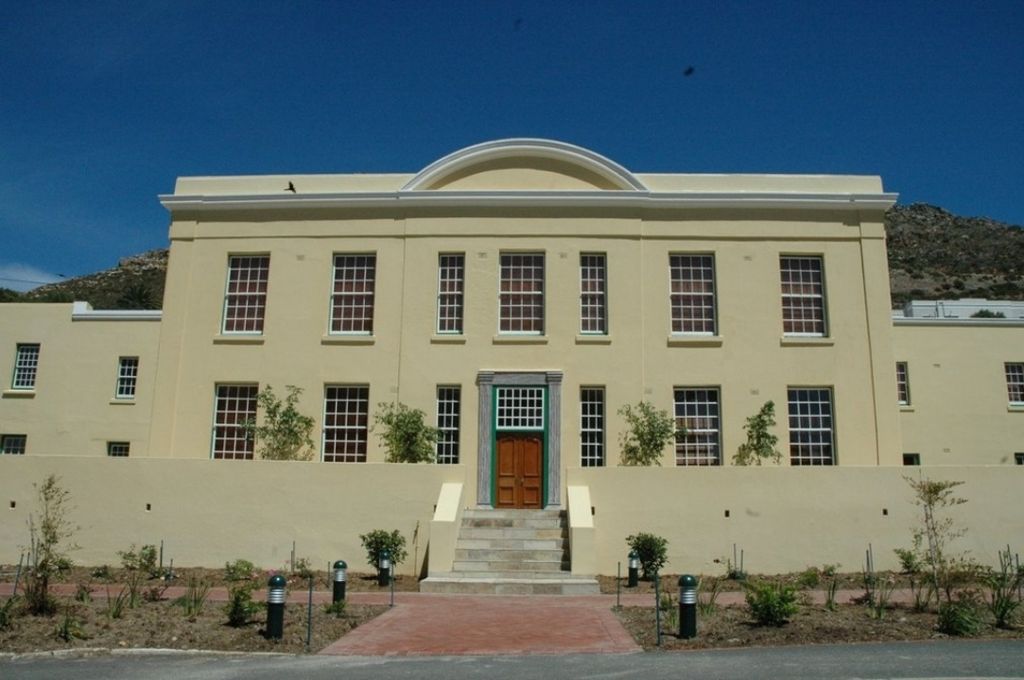
Unfortunately, the Town’s historic buildings are at risk of collapse, and the Palace Barracks building, a notable landmark, is among the buildings most at risk. The building has suffered significant damage, including the failure of one of its walls, raising concerns about its ability to withstand the upcoming winter season. In addition, the South African Navy, headquartered in Simon’s Town, has raised concerns about the critical challenge facing the Town as some of its oldest buildings are collapsing.
The Responsibility for Maintaining and Repairing the Buildings
The responsibility for maintaining and repairing these historic buildings falls on the Department of Public Works and Infrastructure (DPWI). However, the department needs more funding as a significant obstacle to maintenance work. As a result, the situation remains dire despite the Navy’s efforts to carry out repairs within its limited budget.
Cathy Salter-Jansen’s Perspective
Simon’s Town Museum manager, Cathy Salter-Jansen, has expressed deep concern about the state of decay and deterioration in the Town. But, as she puts it, “decay and deterioration are parred for the course,” She does not expect the Palace Barracks building to survive the upcoming winter season. During a recent visit by TimesLIVE Premium, several of the worst-affected buildings in the area appeared to be unoccupied, with warning signs on their exteriors cautioning passersby of potential falling objects.
The Significance of These Buildings
The loss of these historic buildings would be a tragic loss, with significant cultural heritage at risk. Simon’s Town is a testament to the country’s history, with its architecture reflecting colonial and African influences. The buildings are a testament to the Town’s cultural and historical significance, and their loss would be felt locally and globally.
The Importance of Preserving Cultural Heritage
Preserving cultural heritage is essential, not just because it provides a connection to the past but also because it shapes our understanding of who we are and where we came from. Cultural heritage is an essential part of a country’s identity, and by preserving it, we create a link between the past, present, and future.
Urgent Action Needed
Urgent action is needed to preserve these buildings and their associated histories. The government must provide the necessary resources to the DPWI to carry out the much-needed maintenance work and maintain the irreplaceable cultural heritage of Simon’s Town. Failure to take action could result in irreparable damage to the Town’s legacy, an essential part of South Africa’s history.
In conclusion, the cultural heritage of Simon’s Town is a testament to the country’s history and identity, and its preservation is vital. The Town’s buildings are not just bricks and mortar but a storehouse of memories, stories, and records. We must take action now to preserve them for future generations.