Cape Town is leading the way in renewable energy with its pioneering Energy Services Applications platform, which streamlines the application process for solar PV systems and significantly reduces the waiting period for authorisation. The city is committed to promoting solar power investment and reducing reliance on Eskom, while also ensuring the safety and integrity of solar PV systems. Residents and businesses can easily join the renewable energy revolution through the user-friendly online portal, which also offers incentives such as the Cash for Power programme.
What is Cape Town’s Energy Services Applications platform?
Cape Town’s Energy Services Applications platform is an innovative portal that expedites the authorisation process for solar PV systems, marking an essential move in Cape Town’s transition to sustainable energy. The platform streamlines the application process, significantly cutting down the waiting period for solar PV authorisation. It also automates the issuance of Permission to Install Letters for certain types of applications and interfaces with the city’s extensive databases.
The mesmerising city of Cape Town is currently in the midst of a renewable energy metamorphosis. For those fortunate enough to have indulged in the city’s breathtaking beauty, this avant-garde evolution is a confirmation of the city’s progressive, eco-friendly principles. Presently, the city is on the brink of a solar energy explosion, marking the commencement of a new era committed to eco-friendly energy solutions, facilitated by a revolutionary online platform.
Unveiling the Future of Energy: The Online Energy Services Applications Platform
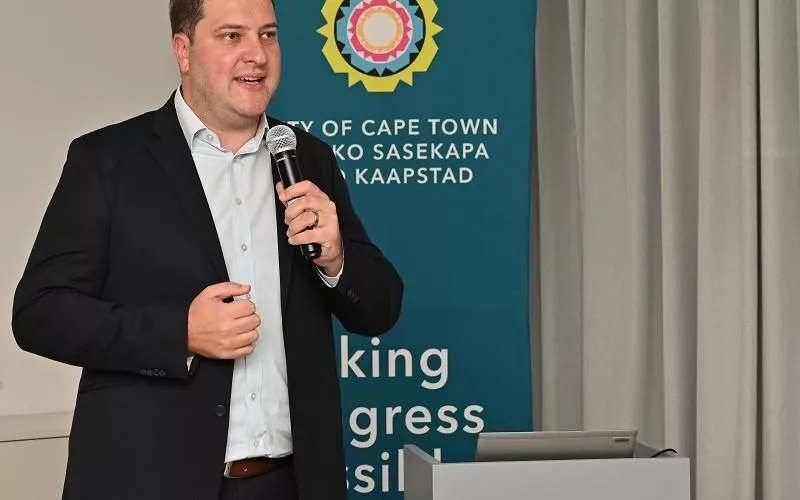
Recently, Mayor Geordin Hill-Lewis introduced the city’s groundbreaking Energy Services Applications platform in an event co-organised with GreenCape. This innovative portal aims to streamline and expedite the authorisation process for solar PV systems, marking an essential move in Cape Town’s transition to sustainable energy.
Currently, over 5,000 solar PV systems, which translates to a substantial 126 MVA (megavolt amperes), have been given the green light. This achievement is monumental and reflects a tripling of monthly applications to the city between 2021 and 2023. The introduction of the new online platform is set to further optimise this procedure, significantly cutting down the waiting period for solar PV authorisation.
Mayor Hill-Lewis reiterated his dedication to promoting solar power investment and digitising municipal services, a commitment that has been actualised with the establishment of the new online platform. This instrument provides Cape Town’s residents with a rapid and effective process to obtain approval for solar PV installation, allowing them to apply, monitor their application status, and receive approval in a reduced timeframe.
Towards Energy Independence: Reducing Reliance on Eskom
The city’s initiatives are not solely focused on encouraging the uptake of solar power but also on reducing dependence on Eskom and gradually eliminating load-shedding. A clear indication of this is the Cash for Power programme, which presents residents and businesses with the chance to earn municipal bill credits and cash by returning surplus solar power to the city.
A primary concern in this green transition is the safety and integrity of solar PV systems. Fire hazards and power disruptions caused by subpar, unapproved PV systems present substantial risks, threatening both the city’s electrical grid and the frontline workers who service it. To combat this, the city has hastened the delivery of Permission-to-Install letters by only approving grid-tied SSEG systems that utilise city-approved inverters.
A Seamless Transition: Automating Permission Letters & Integrating Data
This strategy, coupled with the new Energy Services Application portal, automates the issuance of Permission to Install Letters for certain types of applications, such as small residential solar PV and battery systems. The portal is constructed to interface with the city’s extensive databases, fusing property information and electrical supply data for scrutinised service providers.
Interestingly, residents with pending applications will not need to reapply. The city pledges to automatically upload all existing applications, facilitating a quicker processing of pending applications. This information was divulged by Councillor Beverley van Reenen, Mayoral Committee Member for Energy, reflecting the city’s dedication to transitioning to renewable energy.
Partaking in the Energy Revolution: A User-friendly Process
For those keen on joining this energy transformation, the initial step involves registration on e-Services and activating the “Energy Services” tile to access Energy Service Applications. Once registered, one can apply for authorisation of their solar PV system via the intuitive online portal.
The Cash for Power programme provides an extra incentive for those with authorised grid-tied SSEG systems, allowing them to earn credits on their electricity and rates accounts by selling power back to the city. Those who wish to earn cash after their total municipal bill is credited to zero can apply during the next applications window.
In essence, Cape Town’s solar PV revolution extends beyond mere environmental conservation. It represents an opportunity for residents and businesses to participate in a sustainable future, reaping the benefits of renewable energy along the way. This innovative approach, encapsulated in an online platform, is a symbol of the city’s enduring dedication to progression, sustainability, and the welfare of its citizens.
What is Cape Town’s Energy Services Applications platform?
Cape Town’s Energy Services Applications platform is an online portal that speeds up the application process for solar PV systems, reducing the waiting period for authorisation. It also automates the issuance of Permission to Install Letters for certain types of applications and interfaces with the city’s extensive databases.
How does the Energy Services Applications platform benefit residents and businesses?
The Energy Services Applications platform provides a user-friendly process for residents and businesses to apply for solar PV system authorisation. It also offers incentives such as the Cash for Power programme, which allows those with authorised grid-tied SSEG systems to earn credits on their electricity and rates accounts by selling power back to the city.
What is the Cash for Power programme?
The Cash for Power programme is an incentive offered by Cape Town to those with authorised grid-tied SSEG systems. It allows them to earn credits on their electricity and rates accounts by selling power back to the city. Those who wish to earn cash after their total municipal bill is credited to zero can apply during the next applications window.
How is Cape Town reducing its dependence on Eskom?
Cape Town’s initiatives are not solely focused on encouraging the uptake of solar power but also on reducing dependence on Eskom and gradually eliminating load-shedding. The city’s Cash for Power programme is one of the ways it is achieving this goal.
What is the city’s approach to ensuring the safety and integrity of solar PV systems?
To ensure the safety and integrity of solar PV systems, Cape Town has hastened the delivery of Permission-to-Install letters by only approving grid-tied SSEG systems that utilise city-approved inverters. This strategy, coupled with the new Energy Services Application portal, automates the issuance of Permission to Install Letters for certain types of applications.
How can residents and businesses apply for solar PV system authorisation?
Residents and businesses can apply for solar PV system authorisation through the Energy Services Applications platform, which is accessible via the e-Services portal. The platform is user-friendly and allows applicants to monitor their application status and receive approval in a reduced timeframe.