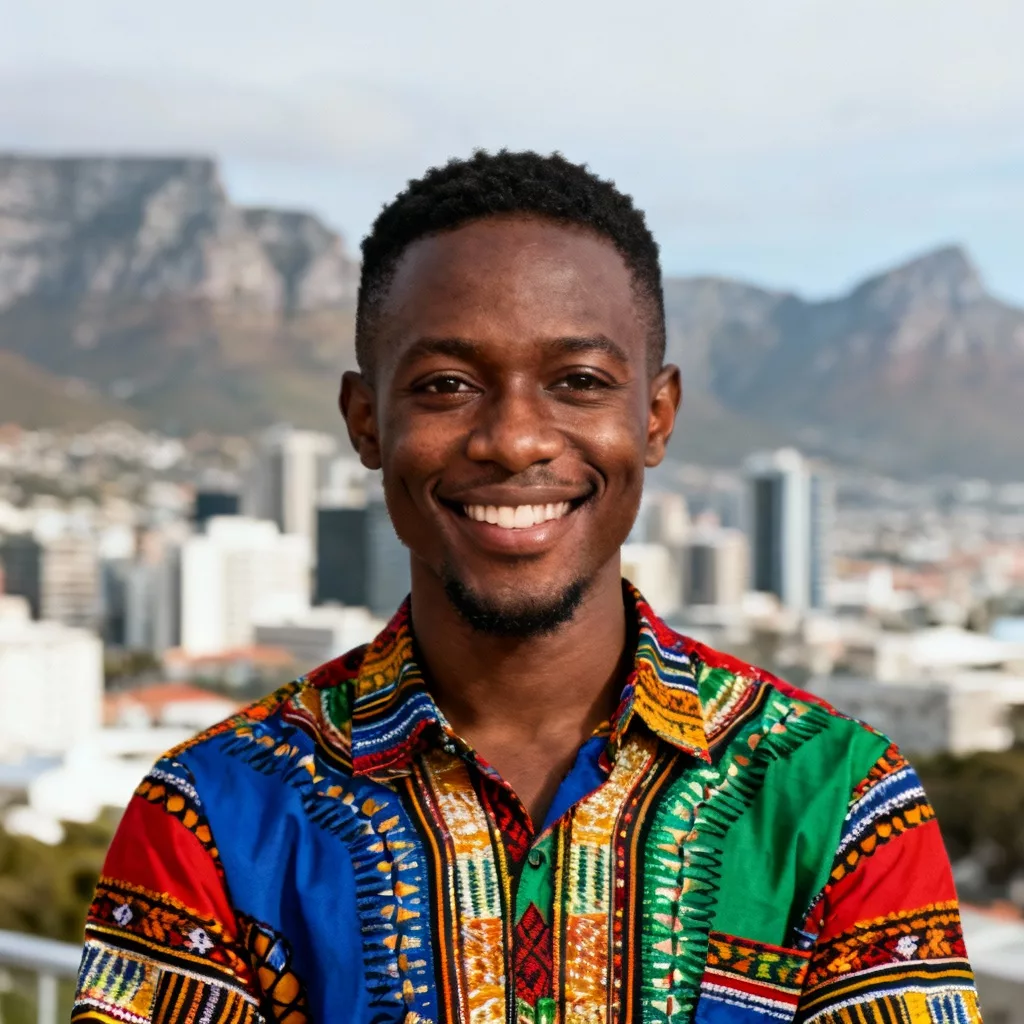
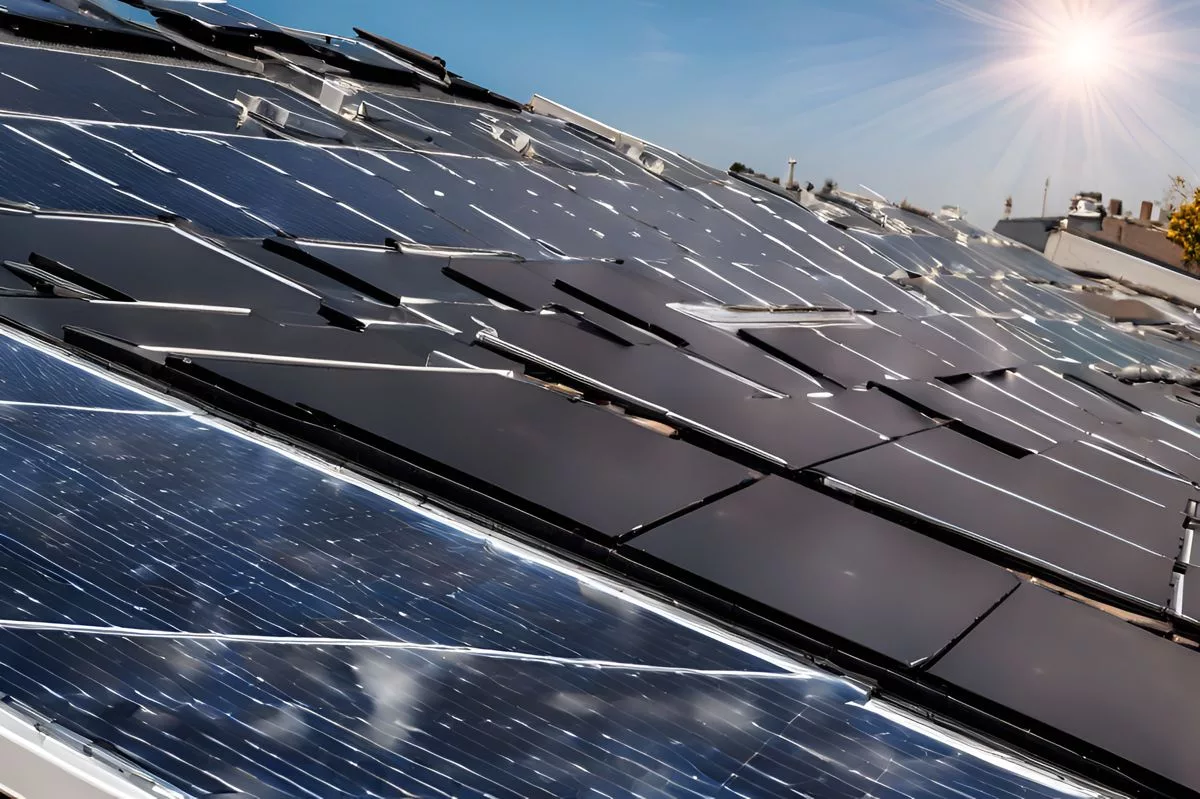
One city is leading the way towards a more eco-conscious future with the help of global aid. The city is receiving technical support valued at over R4 million, which will aid its energy initiatives and create opportunities for knowledge sharing. The city is committed to sustainability strategies and has introduced innovative initiatives, such as the Power Heroes program, to promote sustainable resource management. With ongoing backing from international organizations, the city’s future looks bright indeed.
How is foreign aid impacting urban energy projects?
The global backing for the city’s energy initiatives brings a precious surge of resources, including world-leading technical support valued at over R4 million. The city’s Mayoral Committee Member for Energy, Councillor Beverley Van Reenen, expressed her enthusiasm. “This new influx of technical support is warmly welcomed. It will not just aid our critical energy initiatives but will also create opportunities for knowledge sharing and global best practices,” she stated.
In a period dominated by energy consumption and sustainability, one city is making strides towards a more eco-conscious future. This eco-friendly city, with the endorsement of its Mayoral Committee, has warmly embraced the recent international technical support provided. The assistance is aimed at catalyzing the city’s ambitious net zero carbon, solar, and energy sustainability endeavors.
Harnessing International Expertise for Environmental Initiatives
The city maintains a robust collaboration with Deutsche Gesellschaft für Internationale Zusammenarbeit (GIZ), a global development institution championing environmentally friendly approaches globally. The GIZ has shared its proficiency with the city by providing an Embedded Generation Advisor and project coordinators who manage initiatives funded by the C40 Climate Finance Facility (CFF). These initiatives encompass the Green Infrastructure and Improved Catchment Management project plus the Paardevlei Solar Farm and Net Zero Carbon Municipal Buildings project.
Parallel to this, the Energy Directorate is liaising with the German Development Bank (KfW) to obtain technical guidance for the city’s Power Utility Reform program. This program’s objective dovetails perfectly with the city’s newly endorsed Energy Strategy. The strategy aims to revolutionize the Utility, promoting cost-efficient service delivery based on the city’s primary mandates. The mandates involve effective infrastructure investments, financial robustness, and procurement from a varied energy production portfolio.
Impact of Foreign Aid on Urban Energy Projects
The global backing for the city’s energy initiatives brings a precious surge of resources, including world-leading technical support valued at over R4 million. The city’s Mayoral Committee Member for Energy, Councillor Beverley Van Reenen, expressed her enthusiasm. “This new influx of technical support is warmly welcomed. It will not just aid our critical energy initiatives but will also create opportunities for knowledge sharing and global best practices,” she stated.
The recent technical support agreements are in line with the city’s track record of receiving aid from the World Bank. The World Bank has been assisting several directorates, including Energy, Future Planning and Resilience, and Water and Sanitation. The city’s commitment to sustainability strategies is clearly recognized globally as it progresses towards more diverse and sustainable resource management.
Innovative Initiatives and Future Prospects
Building on this momentum, the city has introduced “Power Heroes”, a series of pioneering initiatives. These programs, some of which are already in progress, comprise Embedded Independent Power Producers (IPP) renewable energy (200MW), Dispatchable IPP Programme (up to 500MW), Wheeling (up to 350MW), and City-owned Small-Scale Embedded Generation (up to 20MW). The city has already successfully deployed the Private Small-Scale Embedded Generation (up to 100 MW) mechanism.
In conclusion, the city is not only creating a sustainable future for its own citizens but also carving a path for other cities globally to follow. With the ongoing backing from international organizations, the trajectory towards a more eco-friendly future appears bright indeed.
1. How is foreign aid impacting urban energy projects?
The global backing for the city’s energy initiatives brings a precious surge of resources, including world-leading technical support valued at over R4 million. The city’s Mayoral Committee Member for Energy, Councillor Beverley Van Reenen, expressed her enthusiasm. “This new influx of technical support is warmly welcomed. It will not just aid our critical energy initiatives but will also create opportunities for knowledge sharing and global best practices,” she stated.
2. What is the role of Deutsche Gesellschaft für Internationale Zusammenarbeit (GIZ) in the city’s environmental initiatives?
The city maintains a robust collaboration with Deutsche Gesellschaft für Internationale Zusammenarbeit (GIZ), a global development institution championing environmentally friendly approaches globally. The GIZ has shared its proficiency with the city by providing an Embedded Generation Advisor and project coordinators who manage initiatives funded by the C40 Climate Finance Facility (CFF).
3. What are some of the initiatives funded by C40 Climate Finance Facility (CFF) in the city?
The initiatives encompass the Green Infrastructure and Improved Catchment Management project plus the Paardevlei Solar Farm and Net Zero Carbon Municipal Buildings project.
4. What is the objective of the city’s Power Utility Reform program?
The Power Utility Reform program’s objective dovetails perfectly with the city’s newly endorsed Energy Strategy. The strategy aims to revolutionize the Utility, promoting cost-efficient service delivery based on the city’s primary mandates.
5. What is the “Power Heroes” program introduced by the city?
“Power Heroes” is a series of pioneering initiatives introduced by the city, including Embedded Independent Power Producers (IPP) renewable energy (200MW), Dispatchable IPP Programme (up to 500MW), Wheeling (up to 350MW), and City-owned Small-Scale Embedded Generation (up to 20MW).
6. How is the city creating a sustainable future for its citizens and other cities globally?
The city is not only creating a sustainable future for its own citizens but also carving a path for other cities globally to follow. With the ongoing backing from international organizations, the trajectory towards a more eco-friendly future appears bright indeed.