A new book by retired judge Chris Nicholson digs into the Chris Hani assassination, finding shocking new clues. He suggests there might have been a second shooter, pointing to a mystery fourth bullet that doesn’t match the killer’s gun. Even more unsettling, shredded military papers hint at a secret plan, “Project Ravel,” to eliminate Hani. Plus, Hani’s security was strangely pulled just before he was killed. This all paints a picture of a much bigger, dark conspiracy, not just a lone gunman.
What new information has emerged regarding the Chris Hani assassination?
Retired judge Chris Nicholson’s book, Who Really Killed Chris Hani?, reveals new evidence, including a potential fourth bullet from a second gun, shredded military intelligence documents detailing “Project Ravel” for Hani’s elimination, and suspicious timing surrounding Hani’s security detail withdrawal, suggesting a more complex conspiracy beyond a lone gunman.
1. The Shadow Still Spreads
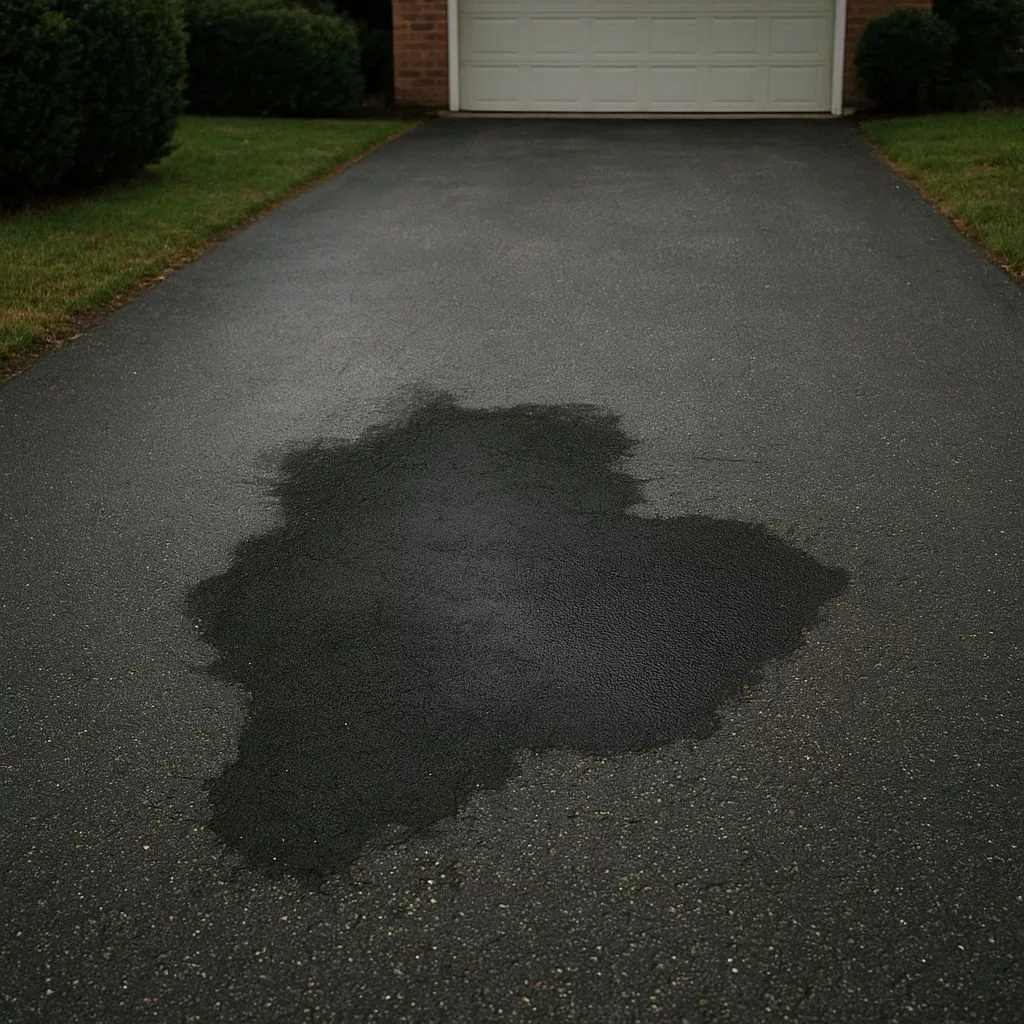
The tar at 13 Dawn Park, Boksburg, stays the colour of wet coal. Three decades after the Easter-Saturday gunfire, rainwater lingers on that one square metre longer than on the rest of the drive, and pigeons bank away as if the ground gives off heat. Security guards still use the patch as a campfire tale for new recruits; neighbours swear it never quite bakes dry. Whether optics or omen, the story survives because no official account has ever closed the case in the public gut.
Into that vacuum steps retired KwaZulu-Natal judge Chris Nicholson, carrying 368 pages of affidavits, ballistics charts and the faint smell of cordite that even the old regime’s shredders could not delete. His new work, Who Really Killed Chris Hani?, refuses to treat the murder as a closed “lone gunman” episode. Instead, it reassembles the morning of 10 April 1993 like a court exhibit, minute by minute, heartbeat by heartbeat.
Nicholson’s vantage is unique: the same man who once signed search warrants now questions why the docket was stamped “finalised” before the smoke cleared. He admits he still takes the long route around the old Johannesburg Prison so he does not have to pass the window where Janusz Walus spent 1 533 nights on death row. That unease powers every paragraph.
2. Ten Minutes That Defy Coincidence
The judge rewinds to the moment Hani left a Spar supermarket with a litre of milk and ginger biscuits. Nomakhwezi, his eight-year-old daughter, walked beside him in white sandals soon freckled by her father’s blood. Between the checkout timestamp and the first 9 mm crack, Nicholson counts nineteen minutes – too tight for a random drifter to pick the spot, too loose for pure luck.
He finds no record explaining how an unemployed Polish immigrant knew Hani would arrive without his usual protection team. Metro-radio logs show two VIP cars diverted at 08:12 to “Protocol Duty” at the airport after a call from Major M.N. Mokoena – an officer seconded from Military Intelligence only months earlier. Phone archives reveal Mokoena rang a landline inside the Minister of Law & Order’s office at 07:58. The shield lifted; the driveway became a kill-box.
The getaway vehicle – later discovered spotless at an abandoned BP station – yielded zero prints and a radio still humming. A 1993 forensic note, reproduced on page 97, calls the interior “clean as a pipe.” For Nicholson, the tidiness is itself evidence: amateurs leave skin cells; professionals leave nothing.
3. A Fourth Bullet, A Second Gun
State files insist three shots were fired: one miss, one fatal, one embedded in the car. Yet the original crime-scene photographer kept an unmarked envelope in a Roodepoort garage. Inside lay a fourth copper jacket, pristine, photographed against the garden wall but never logged. When a private Pretoria lab test-fired comparison rounds, the rifling did not match the Z-88 pistol found on Walus.
Nicholson prints the National Prosecuting Authority’s reply in full: “Exhibits were disposed of in accordance with 1996 protocols.” Across from the bureaucratic shrug he leaves a blank page – white space that shouts louder than cross-examination. A second shooter, the book suggests, was simply cropped out of the frame.
Ballistics, however, is only one seam in the patchwork. Nicholson reassembles 2 000 shredded strips rescued from a Military Intelligence burn-bag in a Pretoria garden. The fragments form an operations order dated 17 March 1993, titled “Project Ravel” – army slang for an elimination. Paragraph 4 urges “removal of CH leverage capability before CODESA resumes.” Beside the budget line of R75 000 appear the handwritten initials “J.M.” Treasury ledgers show the Civil Cooperation Bureau paid exactly that amount to “Stratcom 14.”
4. The Imported Trigger, The Local Hand
The “Polish corridor” ferried Walus from Kraków to Johannesburg in 1981 under the charity banner “Polonia Christiana,” later exposed as a funnel for CIA anti-communist funds. U.S. cables from 1987 list him as a “right-wing mercenary potential,” yet his file vanished when he applied for South African citizenship three years before the murder. Nicholson stops short of claiming Langley signed the hit, but he leaves the breadcrumb: Western spies may have viewed the charismatic communist who preached mine nationalisation as a future problem worth pre-empting.
Inside South Africa, the judge unearths minutes from a 1992 World Apartheid Movement conclave in Bruges. Item 6 allocates $42 000 for “neutralising the Rooi Gevaar.” The money, laundered through a Channel Islands diamond office, cleared ten days before Hani died. Derby-Lewis’s private diary – never formally tendered – records the initials “B.B.” beside the figure, identified by Nicholson as Belgian banker and later UNITA gun-runner François Brabant. The diary itself disappeared from police storage in 2004; the copy reproduced in the appendices still smells of old coffee and carries the pencilled citation “Psalm 37:35.”
The book closes not with a verdict but with a blank timetable headed “Day One of the Inquest,” followed by empty lines for witnesses, exhibits, findings. It is an invitation, maybe a dare, to fill the silence that still pools like milk and blood on a suburban driveway that refuses to dry.
1. What new information has emerged regarding the Chris Hani assassination?
Retired judge Chris Nicholson’s new book, Who Really Killed Chris Hani?, uncovers several shocking details. These include the potential existence of a fourth bullet from a second, unidentified gun, shredded military intelligence documents hinting at a secret operation named “Project Ravel” to eliminate Hani, and the suspicious withdrawal of Hani’s security detail just before his murder. These findings suggest a much more complex and darker conspiracy than initially presented, moving beyond the lone gunman theory.
2. What is the significance of the withdrawn security detail?
Judge Nicholson’s investigation reveals that Hani’s usual VIP security cars were diverted to an airport on “Protocol Duty” at 08:12 on the day of the assassination. This diversion was reportedly ordered by Major M.N. Mokoena, an officer seconded from Military Intelligence, who had called the Minister of Law & Order’s office shortly before. This timing is highly suspicious, as it left Hani unprotected, essentially creating a “kill-box” at his driveway, suggesting a coordinated effort to remove his protection.
3. What evidence points to a second shooter?
The book highlights an original crime-scene photographer who kept an unmarked envelope containing a fourth copper jacket bullet, found at the scene but never officially logged. Ballistics tests on this bullet by a private lab showed that its rifling did not match the Z-88 pistol found on the convicted killer, Janusz Walus, strongly suggesting the involvement of a second shooter whose presence was omitted from the official record.
4. What is “Project Ravel”?
“Project Ravel” is identified as an operations order dated March 17, 1993, pieced together by Nicholson from 2,000 shredded military intelligence documents. The document, using army slang for an elimination, urged the “removal of CH leverage capability before CODESA resumes.” It included a budget line of R75,000 with the handwritten initials “J.M.,” and Treasury ledgers show this exact amount was paid to “Stratcom 14” by the Civil Cooperation Bureau, indicating a state-sanctioned plan to eliminate Hani.
5. What connections did Janusz Walus have to international groups?
Janusz Walus was brought to Johannesburg in 1981 via “Polonia Christiana,” later exposed as a conduit for CIA anti-communist funds. US cables from 1987 listed him as a “right-wing mercenary potential,” and his file mysteriously vanished when he applied for South African citizenship. While Nicholson doesn’t directly accuse the CIA, he implies that Western intelligence agencies might have seen Hani, a charismatic communist advocating for mine nationalisation, as a potential future problem. Furthermore, a 1992 World Apartheid Movement conclave allocated funds for “neutralising the Rooi Gevaar,” with money cleared just ten days before Hani’s death, suggesting deeper international involvement.
6. Why is the case still considered open by some, despite the convictions?
Despite the convictions of Janusz Walus and Clive Derby-Lewis, Judge Nicholson’s work, along with the persistent public unease, demonstrates that many questions remain unanswered. The new evidence, including the potential second shooter, the deliberate removal of Hani’s security, and the “Project Ravel” documents, points to a conspiracy far grander than what was officially acknowledged. The absence of a thorough inquest that addresses these discrepancies leaves a “vacuum” in the official account, fueling the perception that the full truth about Hani’s assassination has not yet come to light.