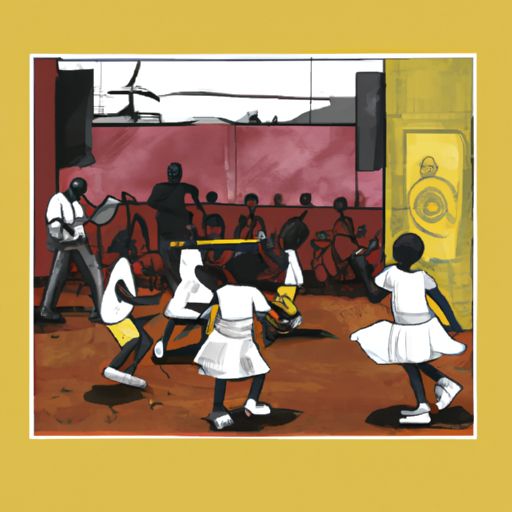
The Emergence of Triplets Ghetto Kids

1 min read
triplets ghetto kids ugandan dance group

Triplets Ghetto Kids, an Ugandan dance group, have garnered international acclaim for their high-octane performances, captivating audiences worldwide. Established in 2014 by Kavuma Dauda, Triplets Ghetto Kids emerged as a creative outlet for a group of street children in Kampala. Over time, they have become a globally recognized phenomenon, renowned for their fusion of traditional African dance styles with contemporary dance moves

Their meteoric rise to fame began with the release of a homemade dance video to “Sitya Loss,” a song by Ugandan artist Eddy Kenzo. The video became an instant hit, quickly going viral and capturing worldwide attention. In addition, their raw energy and exceptional talent earned them several international accolades, including the Afrimma Award, the Recording Industry Association of America, and the YouTube Creators Award.

Newsletter

Stay Informed • Cape Town

Get breaking news, events, and local stories delivered to your inbox daily. All the news that matters in under 5 minutes.

Join 10,000+ readers
No spam, unsubscribe anytime

An Integration of Heritage and Modernity

Triplets Ghetto Kids’ performances blend popular African songs and traditional African dance styles that feature innovative contemporary elements. Their choreography embodies their ingenuity and skill, and their performances are a stunning visual display of rhythm, motion, and sentiment. The group has collaborated with some of the world’s top choreographers, who have aided in elevating their art to new heights.

Their signature moves reflect the interplay of artistic and cultural influences between sub-Saharan African countries. The group also understands the impact of perpetuating and debunking stereotypes about Africa through unexpected and humorous interpretations of their influences. In addition, they possess a rare talent for seamlessly combining traditional African dance styles with contemporary dance moves, creating a unique manner.

The Transformative Power of Dance

Triplets Ghetto Kids are not merely exceptional dancers but a beacon of hope for underprivileged children. Since 2007, Kavuma Dauda’s foundation has provided shelter, food, and education to children from Kampala’s streets. The foundation leverages music, dance, and drama to assist children in accessing a better life. Triplets Ghetto Kids exemplifies how creativity and talent can be harnessed to effect positive change.

Their performances celebrate African culture, and their success exemplifies dance’s unifying and transformative power. They have demonstrated that anything is achievable with hard work, commitment, and a passion for their art. Triplets Ghetto Kids are proof that talent transcends boundaries, and their message of optimism and hope is a source of inspiration to all..


Michael Jameson is a Cape Town-born journalist whose reporting on food culture traces the city’s flavours from Bo-Kaap kitchens to township braai spots. When he isn’t tracing spice routes for his weekly column, you’ll find him surfing the chilly Atlantic off Muizenberg with the same ease he navigates parliamentary press briefings.

Leave a Reply

Your email address will not be published.

Previous Story

A Road Trip Through the Scenic Route 62: A Journey Through Time and Space

Next Story

Public Health Sector in South Africa: A Crisis in Need of Reform

Latest from Blog

Dawn, Dirt and Dinner: A Willowvale Kitchen Without Walls

In Willowvale, farmers cleverly plant in manurefilled pits to save water and feed the soil. They also build special ditches to catch rainwater, making sure not a single drop goes to waste. Cooking happens outdoors, over crackling fires, using fresh food grown right there. They even turn old things into new cooking tools. It’s all about living close to the earth and making every bit count, showing a deep love for nature.

Cape Town Quietly Rewrites the Rules Between Tradition and the State

Cape Town is cleverly changing how it supports traditional initiation camps. They now treat these camps like temporary city areas, providing water, toilets, and trash pickup. This helps keep everyone safe and healthy, using smart data to track everything. It’s a quiet revolution, making sure old traditions fit smoothly into modern city life, and other cities are starting to notice this clever plan.

South Africa Plays Hardball on Hoof-and-Mouth: A Five-Year Blitz to Reopen R7 Billion in Beef Trade

South Africa is launching a massive fiveyear plan to crush FootandMouth Disease for good. They’re upgrading labs, getting tons of vaccines, and working with villages to tag and track every animal. This tough new strategy, backed by big money, aims to reopen a R7 billion beef trade with countries like China and the EU. They’re using strict rules, new tech, and even special meetings with local leaders to make sure no sick animal slips through. It’s a fullon war to protect their cattle and bring back their valuable beef exports!

South Africa’s Gateways in November 2025: 3,1 Million Footprints in 30 Days

In November 2025, South Africa saw a massive 3.1 million people cross its borders. This huge number of visitors, especially 2.37 million noncitizens, made it the busiest November for foreign entries since before COVID hit in 2019. It was like a river of people flowing in, showing how popular South Africa had become again.