The Fight for Patrick Zaki’s Freedom: A Struggle for Human Rights in Egypt

1 min read
human rights egypt

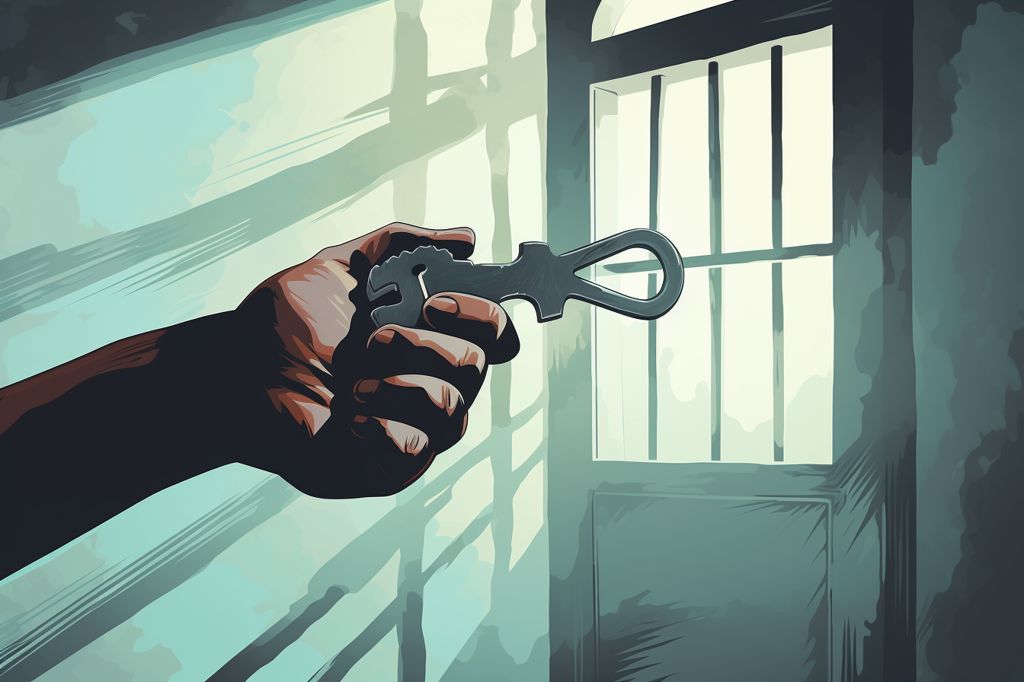
In July 2023, the United States called for the release of Patrick Zaki, a human rights researcher sentenced to three years in prison for “spreading false news.” Despite spending 22 months in pre-trial detention, Zaki was taken into custody once more following the court’s decision in Mansoura, Egypt.

Patrick Zaki’s Case

Zaki, a 32-year-old researcher, faced imprisonment for an article in which he described the discrimination he and fellow Coptic Christians in Egypt have endured. His case has drawn international attention and condemnation, particularly in Italy, where Zaki was pursuing his studies when he was apprehended during a 2020 trip to Egypt.

Newsletter

Stay Informed • Cape Town

Get breaking news, events, and local stories delivered to your inbox daily. All the news that matters in under 5 minutes.

Join 10,000+ readers
No spam, unsubscribe anytime

Over 40 Egyptian and international organizations, including Amnesty International and Human Rights Watch, have denounced Zaki’s sentence, citing numerous due process violations. In addition, human rights activists reported that Zaki was subjected to beatings and electrocution during his detainment.

International Pressure

The US has consistently criticized Egypt’s human rights record, citing concerns such as the use of torture, life-threatening prison conditions, and restrictions on freedom of speech. Despite these critiques, Egypt remains a crucial ally to the United States and is one of the largest recipients of US military aid.

While some members of the US Congress have advocated for broader aid cuts to Egypt due to its human rights violations, President Joe Biden’s administration withheld a mere $130 million in 2021. US Secretary of State Antony Blinken urged Egypt to “free all political prisoners” while also acknowledging the country’s “important strides.”

The Fight for Human Rights

Zaki’s case serves as a glaring example of the ongoing struggle for human rights in Egypt and the complex political landscape that surrounds it. In response to the controversial sentence, three human rights activists resigned from the Egyptian government’s “national dialogue” initiative, calling for Zaki’s immediate release.

While international pressure mounts on Egyptian authorities to address these concerns, Zaki’s supporters and fellow activists hope that their continued efforts will lead to his release and contribute to a broader shift in promoting and protecting human rights within the nation.

Emma Botha is a Cape Town-based journalist who chronicles the city’s shifting social-justice landscape for the Mail & Guardian, tracing stories from Parliament floor to Khayelitsha kitchen tables. Born and raised on the slopes of Devil’s Peak, she still hikes Lion’s Head before deadline days to remind herself why the mountain and the Mother City will always be her compass.

Leave a Reply

Your email address will not be published.

Previous Story

Fun Family Activities in Cape Town on a Budget

Next Story

The Demotion of Harry Maguire: An Overview

Latest from Blog

From Randburg to the Record Books: How Tyla Rewrote Pop History in 2:45

Tyla, a young artist from Randburg, South Africa, exploded onto the music scene with her song “Chanel.” This catchy tune, made simply on headphones, became a massive hit without biglabel help. Thanks to TikTok and Spotify’s smart playlists, her music found millions of listeners globally. Tyla’s success shows that a great song, shared widely online, can now rewrite music history and reach the top charts, even from far away. She owns her music, giving her power that earlier artists never had.

Cape Town’s “Red Wedge”: How a 900-Metre Airport On-Ramp Became South Africa’s Most Watched Kill-Zone

{“summary”: “The \”Red Wedge\” in Cape Town is a dangerous 900meter stretch of airport road. It’s famous for terrible crimes like carjackings and smashandgrabs, making it South Africa’s most watched ‘killzone.’ This area was poorly designed in the 1970s, which now helps criminals ambush cars. Even with many cameras, police struggle to stop the quick attacks. Now, a big wall is being built, and new tech like drones and special apps are helping to fight back against the robbers.”}

South Africa’s 2025 Beef Surge: When Biology, Red Tape and a Thirsty Planet Collide

South African beef prices shot up in 2025, not because of local good news, but because the world ran short of red meat. Fewer cattle everywhere and China’s pork problems made other countries hungry for South African beef. Even with local sickness and people here buying less, farmers made more money. They sold to new places like the Middle East, using special tricks to get around problems. But the future is tricky, with animal sickness, changing weather, and how much money is worth all playing a part in what happens next for South African beef.

A Province That Won’t Stop Knocking on the Constitutional Door

The Western Cape really wants to break away from South Africa, but it’s super hard because of the law. The country’s main rule says South Africa must stay as one, and changing that is almost impossible. Even though many people in the Western Cape feel left behind and want to control their own future, the government keeps saying ‘no’. So, for now, the Western Cape has to find other ways to get more power without leaving the country.