The Greening of the Oceans: Implications for South Africa’s Ecosystems and Livelihoods

1 min read
climate change ocean ecosystems

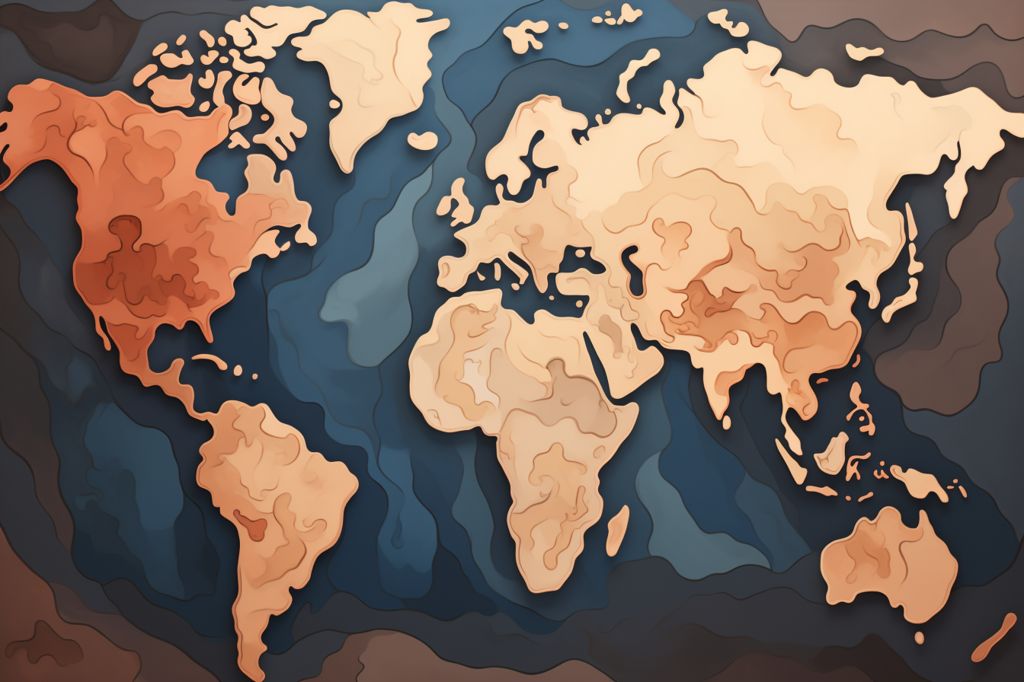
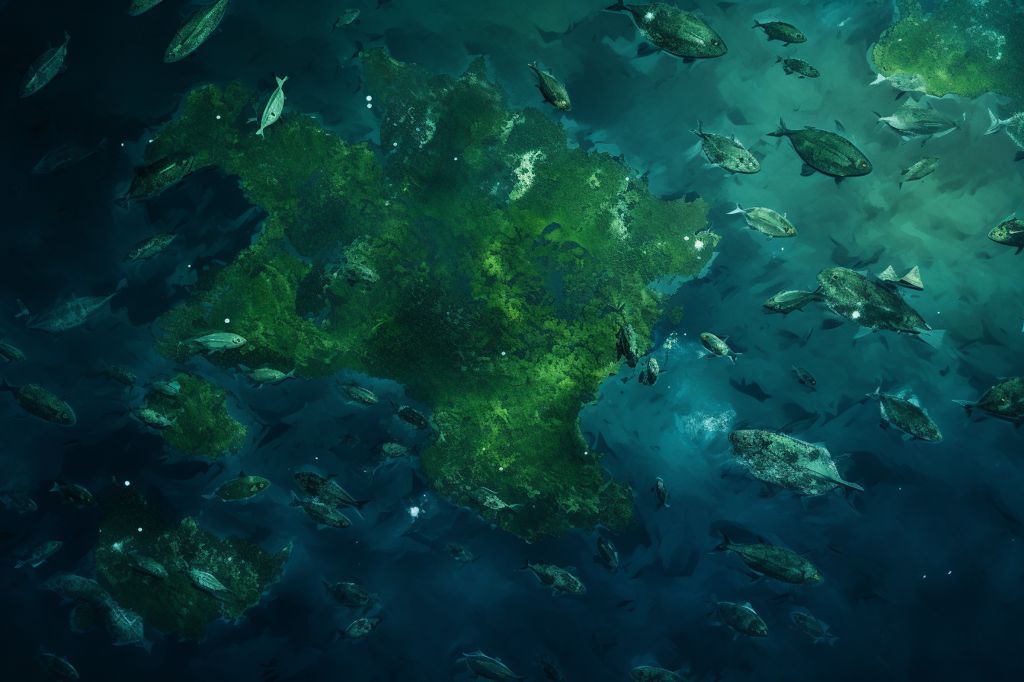
In recent years, the color of the Earth’s vast oceans has been gradually changing from striking blue to verdant green. This shift is a result of human-induced climate change, with far-reaching implications for the ocean’s health and essential resources such as fishing and oxygen production. South Africa, with its extensive coastline, is home to various marine environments, and this ecological turmoil poses challenges for marine life as they struggle to survive.

The Phenomenon behind the Color Shift

A recent study published in the journal Nature unveiled the phenomenon behind the changing color palette of the ocean. As ocean temperatures rise, microscopic organisms called phytoplankton experience directional shifts, leading to alterations in the ocean’s hues. The productivity of these microscopic organisms drives the observable greening effect, which subsequently intertwines with both climate variations and the ocean’s circulation patterns.

Newsletter

Stay Informed • Cape Town

Get breaking news, events, and local stories delivered to your inbox daily. All the news that matters in under 5 minutes.

Join 10,000+ readers
No spam, unsubscribe anytime

A Threat to Delicate Habitats

South Africa’s tropical paradises of northern Kwa-Zulu Natal boast diverse ecosystems, including flourishing coral reefs. However, the rapid greening phenomenon poses a potential threat to these delicate habitats, with the capacity to inflict substantial damage.

Implications for South Africa’s Fishing Industry

South Africa’s fishing industry is crucial to the nation’s GDP and employs around 27,000 people in the commercial realm. With ongoing shifts in oceanic ecosystems, both the industry and those dependent on it face a grim future.

Climate Justice for Small-Scale Fishers

As ocean temperatures continue to rise, the knock-on effects will reverberate through coastal and fishing communities, exacerbating existing challenges and inequalities. The intensifying frequency and magnitude of extreme weather events predict fewer viable fishing days, potentially driving fishers into dangerous conditions and jeopardizing their livelihoods further.

The Urgent Need to Change Our Ways

As temperatures continue to climb across Africa and the globe, the repercussions of the climate crisis loom larger. It is crucial to remain vigilant in the face of these unfolding events. The ocean is critical to every single human on the planet, and changes to the ocean will affect everything from trade to water availability. The fear is that we will only realize how important the ocean is once it is too late. Therefore, the key message is to change our ways faster and sooner rather than watch and wait.
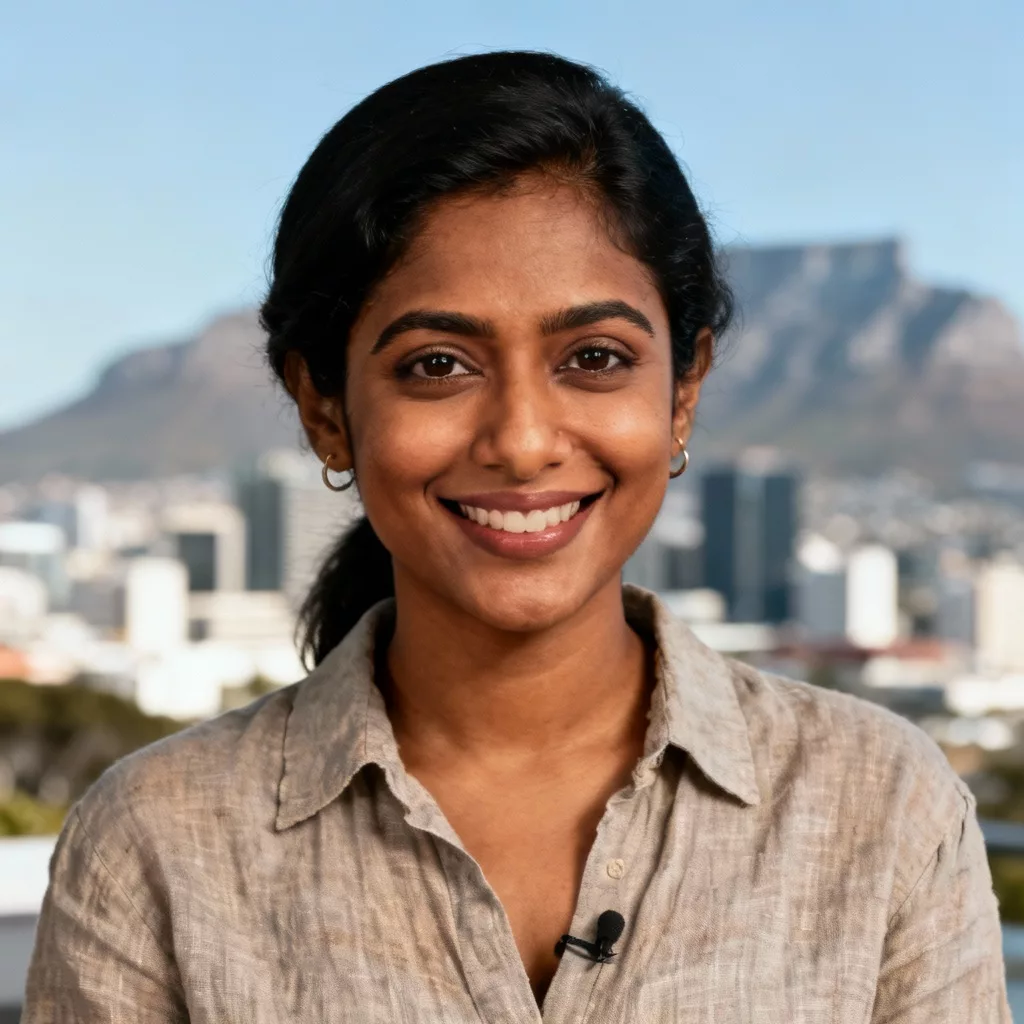
Zola Naidoo is a Cape Town journalist who chronicles the city’s shifting politics and the lived realities behind the headlines. A weekend trail-runner on Table Mountain’s lower contour paths, she still swops stories in her grandmother’s District Six kitchen every Sunday, grounding her reporting in the cadences of the Cape.

Leave a Reply

Your email address will not be published.

Previous Story

The Cape of Turmoil: Cape Town’s Taxi Strike and the Road to Resolution

Next Story

It’s Just Skin, Silly! – An Innovative Approach to Teaching Children About Skin Color

Latest from Blog

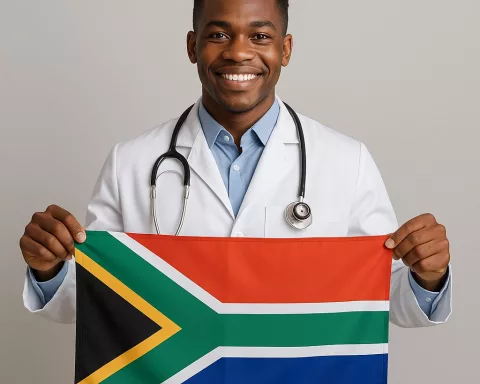
A Teenager in a White Coat: How One Student Shattered South Africa’s Medical Age Record

{“summary”: “Imagine a whiz kid, David Obagbuwa, who started high school at 11 and became a doctor at just 21! He shattered South Africa’s medical age record, proving that a sharp mind and hard work can achieve amazing things. From classrooms in KwaZuluNatal to intense medical studies, David tackled every challenge. Even during lockdown, he quickly mastered his courses. Now, he’s ready to help people, showing that big dreams can come true, no matter how young you are.”}

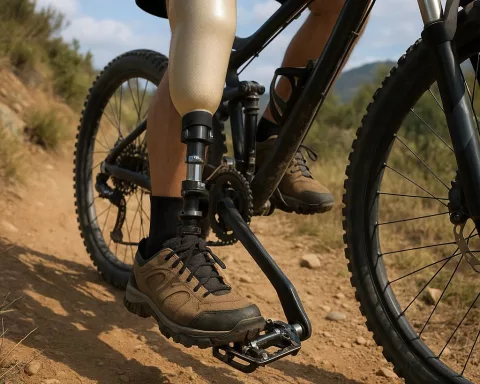
Martian Dust, Carbon ankles & a R4-million Promise: Inside the 2026 Cape Epic’s Mobility Rebellion

Get ready for the 2026 Cape Epic, but this isn’t just any bike race! Three special teams, using amazing robotic legs and carbon ankles, will tackle the tough trails. They’re racing to raise R4 million to buy 200 new prosthetic limbs, 150 wheelchairs, and 50 sports blades for people in South Africa who need them. Every pedal stroke helps someone gain freedom and move again, showing that movement is for everyone, not just a few. This epic journey turns sweat into hope, changing lives one kilometer at a time.

Cape Town’s Shadow State: How Extortion Became the New Township Taxman

Cape Town has a big problem: bad guys are shaking down businesses and projects for money. They act like “taxmen” in townships, making building costs shoot up and forcing small shops to close. These criminals cause fear, stop important work, and even kill people who get in their way. It’s like a shadow government taking over, making life hard for everyone and costing the city tons of money. People are scared, and it’s unclear how this dangerous situation will ever truly end.

The Woman Who Taught Cape Town to Breathe Under Fire

Arlene Wehr taught Cape Town how to fight fires like a boss! She was one of the first women firefighters and totally changed the game. Arlene created cool new ways to find water, like “Operation Liquid Grid,” and made sure everyone had a chance to become a firefighter, even women. Because of her, Cape Town is safer, and the fire department is much more welcoming to all.

Morea House: Where the Atlantic Meets Art, Granite and Ghost-Nets

Morea House is Cape Town’s first fancy Marriott hotel, born from an old 1960s building. It shines with blushpink walls and art made from old fishing nets, making it feel truly special. This hotel is all about local beauty, from its design to its food, and even how it saves the planet. Imagine rooftop pools, unique spa experiences, and rooms where you wake up to amazing views. It’s a place where every detail tells a story of the ocean and the land, making your stay unforgettable.