
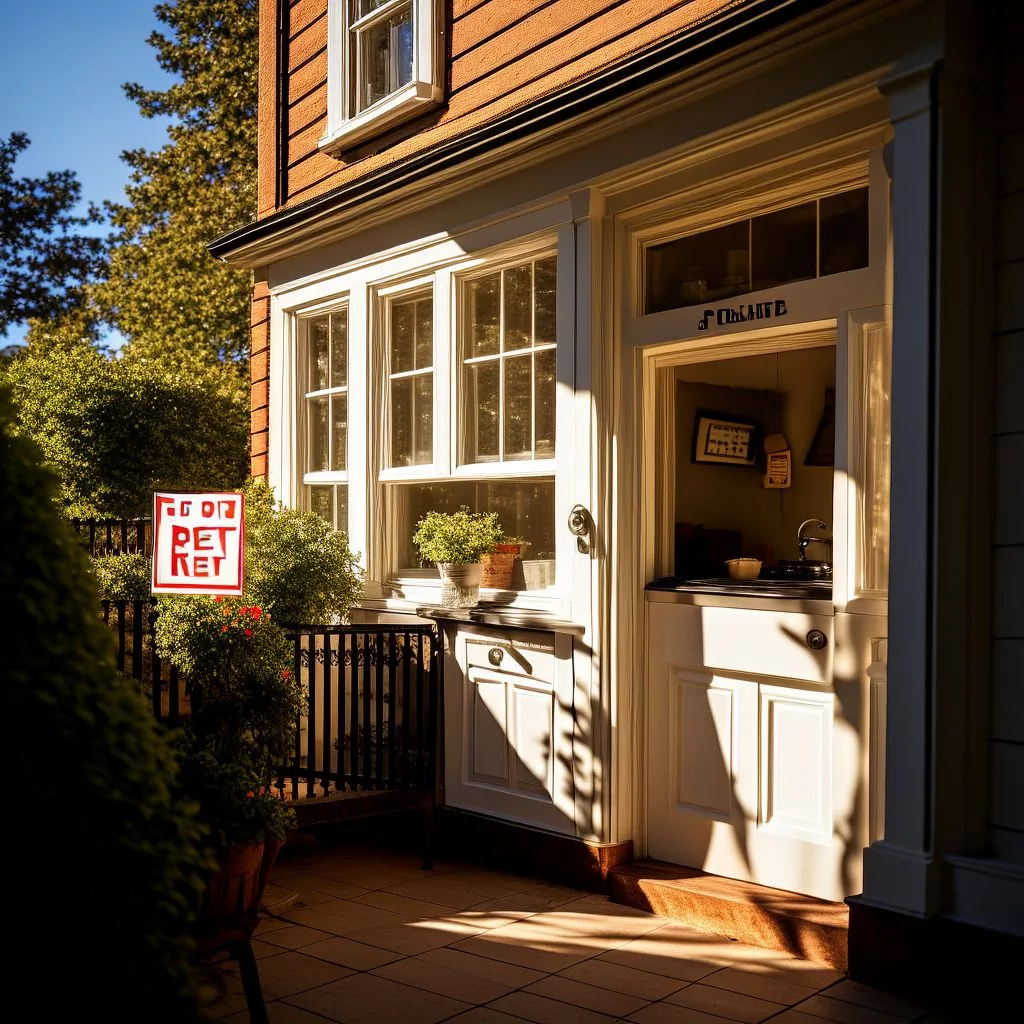
Homes aren’t just places to live—they can also help people earn money and get creative. By renting out rooms, sharing parking spaces, or hosting guests on Airbnb, homeowners can bring in extra cash. Some even turn their houses into event spots or small business studios, mixing old ideas with new ways to work from home. This smart use of space helps families stay strong when money feels tight. With a little imagination, your home can become more than a shelter—it can be a source of income and fresh opportunities.
How can homeowners generate income and innovate using their domestic spaces?
Homeowners can transform their homes into income sources by:
– Renting spare rooms or annexes
– Leasing garages or driveways for parking/storage
– Hosting travelers via platforms like Airbnb
– Offering event spaces for weddings or shoots
– Running home-based businesses, studios, or workshops
These methods blend tradition with modern innovation to boost financial resilience.
Rethinking Home: More Than Just a Place to Live
Our conception of home often centers around comfort, memories, and the routines that shape our daily existence. Yet beyond the familiar warmth of living rooms and kitchens lies an untapped potential for transformation. Houses evolve with their occupants, morphing from mere shelters into dynamic environments that can support both dwelling and enterprise. Throughout history, families have reimagined their residences to adapt to changing economic circumstances, merging personal and professional spheres in creative ways.
The line dividing private sanctuary from business hub grows increasingly blurred in uncertain financial times. Bradd Bendall, a recognized figure in real estate, points out that homes can do more than shield us from the elements—they can also generate income. He notes, “A home can also become a source of additional income, especially during challenging financial times.” This insight echoes longstanding traditions, where people ran workshops or small businesses from their living quarters, making the most of every square foot.
Standing in a sunlit kitchen or walking down a quiet hallway, you might not immediately notice the potential for extra earnings. But the flexibility of domestic spaces remains as relevant today as it was centuries ago. The way we use our homes continues to evolve, offering new opportunities for those willing to see past the obvious and embrace innovation.
Unlocking Value: Renting, Sharing, and Repurposing Space
The idea of leveraging spare rooms or unused annexes isn’t new, but its applications have grown significantly in today’s economy. Renting out a part of your home—especially if it has its own entrance—balances privacy for both host and guest and draws on an age-old practice of offering lodging. In cities with large student populations, this model thrives; the constant demand for accommodation from young scholars provides homeowners with a reliable income stream. For many landlords, the rhythm of the academic year brings a welcome sense of continuity and financial stability.
Standalone cottages, garden flats, or converted basements present additional avenues for earning. Where once they may have housed extended family or staff, these spaces now attract tenants seeking autonomy. For those living near universities or busy city centers, renting out such units can become a dependable source of income—sometimes even covering a substantial portion of a mortgage or household expenses.
But the possibilities extend well beyond adding tenants. Urban environments place a premium on parking and storage, turning driveways and garages into sought-after commodities. In areas where parking is scarce, homeowners can lease driveways or garages to neighbors, office workers, or local businesses. Some transform their garages into storage units, catering to the overflow of city living. These arrangements can offer a steady trickle of income with minimal intrusion on daily life, providing valuable solutions in space-starved neighborhoods.
Personal anecdotes often bring these ideas to life. Growing up in a bustling city, I watched a neighbor rent her garage to antique collectors. The scent of old books and furniture would waft through the air as her tenants moved treasures in and out—a subtle reminder that economic activity often thrives unnoticed behind closed doors.
The Digital Era: Home as Hospitality and Creative Venue
The rise of platforms like Airbnb has revolutionized the way homeowners think about extra space. What began as a way to occasionally host travelers has blossomed into a global movement, empowering people to turn guest bedrooms—or even just a comfortable couch—into crucial sources of revenue. In places like Cape Town, nearly half of Airbnb hosts report that this income has helped them secure their homes during tough times, underscoring the essential nature of the sharing economy.
Airbnb and similar platforms continue to evolve, offering specialized services such as Airbnb Rooms, where property owners can list individual rooms that meet privacy and comfort standards. These options provide flexibility for both hosts and guests, but they also require careful management. Insurance, for example, becomes critical. Homeowners need to update their policies to address potential risks like theft or accidental damage, ensuring that both their property and finances remain protected as they venture into short-term rentals.
Hosting is more than a financial transaction; it weaves new experiences and connections into the fabric of daily life. I recall staying with a retired teacher in Lisbon who transformed her loft into a haven for travelers. She shared stories of how hosting not only supplemented her income but also brought a vibrant stream of international stories and friendships into her world. For many, this blend of entrepreneurship and human connection gives new meaning to hospitality, with echoes of the guesthouses and boarding homes of centuries past.
Beyond temporary lodging, some homeowners with architecturally distinctive properties have discovered another source of income: event hosting. Elegant period homes, modernist masterpieces, or residences with spectacular gardens frequently attract film producers, photographers, and event planners. Renting out such spaces for weddings, photo shoots, or movie sets requires careful contracts and clear guidelines, but the financial rewards can be substantial. This practice breathes new life into the tradition of salons and parlors, once the epicenters of social and intellectual gatherings.
The Home Office and Beyond: Embracing Remote Work and Creative Enterprise
The recent shift toward remote and hybrid work has transformed millions of homes into offices, studios, and classrooms overnight. What was once the exclusive realm of artists and freelancers now encompasses a wide swath of the working population. All that’s required is a quiet workspace, high-speed internet, and reliable utilities—often supported by solar panels, which help safeguard against rising energy costs and supply interruptions.
Running a small business from home has become increasingly feasible, thanks to relaxed regulations in many areas. These micro-enterprises can range from consulting and online tutoring to beauty salons and childcare centers. This trend recalls eras when craftspeople and professionals lived and worked under the same roof, blending personal and commercial life. However, homeowners must remain mindful of legal restrictions; while a modest operation may go unnoticed, expanding into larger ventures—like a daycare or school—can trigger the need for special permits or zoning changes.
Innovative uses for domestic spaces continue to multiply. Living rooms turn into yoga studios, pools become swimming classrooms, and home kitchens host cooking workshops. Artisans teach music lessons, artists run workshops, and trainers hold fitness classes, all from the comfort of their own abodes. The digital age amplifies these possibilities through virtual services, connecting local expertise with a global audience. The pandemic, for all its challenges, has highlighted just how adaptable—and resilient—our homes can be.
As households explore the limits of what domestic spaces can offer, responsible navigation of local regulations becomes essential. Zoning laws and neighborhood agreements exist to balance individual ambition with communal well-being. Homeowners who engage with these frameworks help maintain harmony while unlocking new opportunities for their families and communities.
The modern home is far more than a static backdrop for family life. It can offer shelter, security, and the means to weather financial storms through creativity and adaptability. By exploring rental options, embracing hospitality, venturing into event hosting, or launching home-based businesses, homeowners can tap into a deep tradition of resilience and resourcefulness.
Every household’s journey is unique, shaped by location, opportunity, and individual vision. The possibilities for earning from your home are limited only by your willingness to rethink what’s possible within your own walls. By blending tradition with innovation and honoring both legal requirements and community ties, you can transform your home from a place of mere residence into a hub of economic and personal growth.
FAQ: Reinventing Your Home as a Source of Income and Innovation
1. How can I generate extra income by using the space in my home?
You can create additional income streams by renting out spare rooms or annexes, leasing garages or driveways for parking or storage, and hosting guests through platforms like Airbnb. Additionally, turning parts of your home into event venues for weddings, photo shoots, or meetings, or running a home-based business, workshop, or studio are effective ways to monetize your domestic space. These approaches combine traditional practices with modern opportunities to increase financial resilience.
2. What are some legal and insurance considerations when renting out parts of my home?
Before renting out space or hosting guests, it’s important to review local zoning laws and homeowners’ association regulations to ensure compliance. For short-term rentals, such as on Airbnb, updating your homeowner’s insurance to cover potential risks like accidental damage or theft is critical. Some municipalities require permits or licenses for rental activities or home-based businesses, so checking with local authorities can help avoid legal issues.
3. How can parking and storage spaces around my home be used to generate income?
In urban areas where parking is scarce, homeowners can lease their driveways or garages to neighbors, commuters, or local businesses. Garages may also be converted into storage units for rent. These options often provide low-maintenance income with minimal disruption to your daily life, making them practical solutions in space-constrained neighborhoods.
4. What types of home-based businesses can I realistically operate from my residence?
Home-based businesses can range widely depending on your skills and local regulations. Popular examples include consulting, tutoring, beauty salons, childcare services, yoga or fitness studios, cooking classes, art workshops, and small-scale manufacturing or crafts. However, be mindful of any restrictions related to noise, traffic, or health and safety standards, and obtain necessary permits if your business expands beyond a modest operation.
5. How has the digital era influenced the use of homes for income and innovation?
The digital age has greatly expanded opportunities for home-based income. Platforms like Airbnb have made hosting travelers accessible, while virtual services allow entrepreneurs to teach, consult, or sell products worldwide from their homes. Remote work trends have turned many domestic spaces into offices and studios, supported by technologies such as high-speed internet and solar power for energy efficiency. This shift enables greater flexibility and connection to global markets.
6. What are the benefits and challenges of turning my home into an event or creative venue?
Turning your home into a venue for events like weddings, photo shoots, or film productions can provide substantial income. Architecturally unique homes or those with attractive gardens are often in demand. However, managing such activities requires clear contracts, careful scheduling, and adherence to noise and occupancy regulations. It can also mean coordinating with neighbors and ensuring your property is insured for commercial use.
If you are considering transforming your home into a source of income or innovation, approach the process creatively, responsibly, and in compliance with local laws to maximize benefits while fostering community goodwill.