
Nozibele Mayaba is a HIV/AIDS activist who is breaking the silence and fear surrounding the virus. Her journey has been about honoring the united battle against HIV/AIDS, and she stands as a beacon of hope, reminding us that even in the face of adversity, there is the potential for change, growth, and triumph. Mayaba’s social media presence has played a critical role in shaping a new narrative of hope and resilience in the fight against HIV/AIDS, offering optimism and support to those in similar situations.
Meet Nozibele Mayaba, a HIV/AIDS activist who is breaking the silence and fear surrounding the virus. Her journey has been about honoring the united battle against HIV/AIDS, and she stands as a beacon of hope, reminding us that even in the face of adversity, there is the potential for change, growth, and triumph.
A Ray of Hope Amidst a Global Crisis
Nozibele Mayaba, a devoted HIV/AIDS activist, stands as a symbol of hope and bravery amidst a worldwide health crisis that has resulted in millions of casualties. As the globe observed the 35th World AIDS Day on December 1st, Mayaba utilized her Instagram to share her 10-year-long personal journey with the virus, as well as her relentless fight against the stigma it carries.
The motivation behind her public admission of her HIV positive status was born from a deep-seated yearning to break the silence and fear that had kept her in hiding for six years. “Enduring in silence… was unnecessary,” she admitted. This touching public revelation underscores the unwarranted burden carried by many who live with this condition, a burden she is resolved to lessen.
The Collective Struggle Against HIV/AIDS
Mayaba’s odyssey has not only been about her own fight but also about honoring the united battle against HIV/AIDS. She fondly remembers the “unsung hero” who established the foundation for moments like these, a poignant homage to countless activists who have tirelessly advocated for greater understanding and treatment of HIV/AIDS.
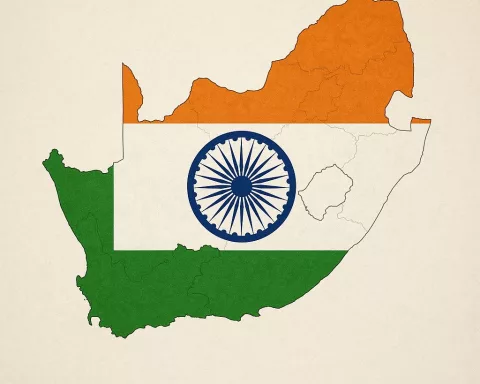
It appears that these united endeavors are beginning to see fruition. The Department of Science and Innovation has reported a substantial reduction in HIV/AIDS rates in South Africa. The prevalence of the disease has dropped from a shocking 14% in 2017 to 12.7% in 2022. This significant decline represents a unified effort in education, testing, and treatment – a step towards progress.
Shaping Perceptions and Advancements
In her sincere disclosures, Mayaba also ponders the shift in the perception of HIV/AIDS. No longer viewed as the death sentence it once was, the emergence of antiretroviral drugs has converted it into a potentially controllable disease. She mentions the Prevention of Mother to Child Transmissions (PMTCT) programme as an example, which through unified efforts, has enabled mothers and infants to access essential medical treatments.
The narrative of HIV/AIDS has been further revolutionised by the inception of PrEP, or pre-exposure prophylaxis. Mayaba emphasizes the effectiveness of this medication, demonstrating its potential to diminish the risk of HIV infection through sexual intercourse by up to 99%.
A Testament of Resilience and Strength
Mayaba’s existence, accentuated by her public admission and the birth of her child, is a motivating tale of endurance and strength. She and her spouse are creating ripples on social media, revealing the possibility of a unique dynamic that shatters the walls of HIV/AIDS stigma. Their journey, and the joy of welcoming a child, underscores the advancements in medical science, making things previously deemed impossible, possible.
As we move into 2023, the perspective towards HIV has significantly evolved. Owing to the incessant efforts of activists like Nozibele Mayaba and advancements in HIV treatments, the narrative of fear and stigma is slowly being displaced by one of hope and resilience.
Although her journey is far from complete, Mayaba’s life is a testament to the power of determination and serves as a reminder that the fight against HIV/AIDS is a shared responsibility. The reduction in HIV/AIDS prevalence and the shift in societal perception are hopeful indicators of a more compassionate future.
Paving the Way for a Brighter Future
Mayaba’s social media presence has played a critical role in shaping this new narrative. Her transparency about her status, her battle against stigma, and her acknowledgment of medical advancements contribute significantly to the ongoing story of HIV/AIDS, offering optimism and support to those in similar situations.
She stands as a beacon of hope, reminding us that even in the face of adversity, there is the potential for change, growth, and triumph. Through her personal experiences and activism, Mayaba is not only reshaping the narrative of HIV/AIDS, but also building a pathway towards a future where the condition is not cloaked in stigma but managed with empathy and compassion.
Who is Nozibele Mayaba?
Nozibele Mayaba is a HIV/AIDS activist who has been breaking the silence and fear surrounding the virus. She has been using her social media platforms to share her personal journey with the virus and fight against the stigma that it carries.
What is Nozibele Mayaba’s motivation behind her public admission of her HIV positive status?
Nozibele Mayaba’s motivation behind her public admission of her HIV positive status was born from a deep-seated yearning to break the silence and fear that had kept her in hiding for six years. She believed that enduring in silence was unnecessary and wanted to reduce the unwarranted burden carried by many who live with this condition.
What has been the result of the united battle against HIV/AIDS in South Africa?
The Department of Science and Innovation has reported a substantial reduction in HIV/AIDS rates in South Africa. The prevalence of the disease has dropped from a shocking 14% in 2017 to 12.7% in 2022. This significant decline represents a unified effort in education, testing, and treatment – a step towards progress.
How has the perception of HIV/AIDS shifted in recent years?
The perception of HIV/AIDS has shifted in recent years. No longer viewed as the death sentence it once was, the emergence of antiretroviral drugs has converted it into a potentially controllable disease. The narrative of HIV/AIDS has been further revolutionised by the inception of PrEP, or pre-exposure prophylaxis.
What is the significance of Nozibele Mayaba’s existence?
Nozibele Mayaba’s existence, accentuated by her public admission and the birth of her child, is a motivating tale of endurance and strength. Her journey and the joy of welcoming a child underscore the advancements in medical science, making things previously deemed impossible, possible.
How has Nozibele Mayaba reshaped the narrative of HIV/AIDS?
Nozibele Mayaba’s social media presence has played a critical role in shaping a new narrative of hope and resilience in the fight against HIV/AIDS. Her transparency about her status, her battle against stigma, and her acknowledgment of medical advancements contribute significantly to the ongoing story of HIV/AIDS, offering optimism and support to those in similar situations.