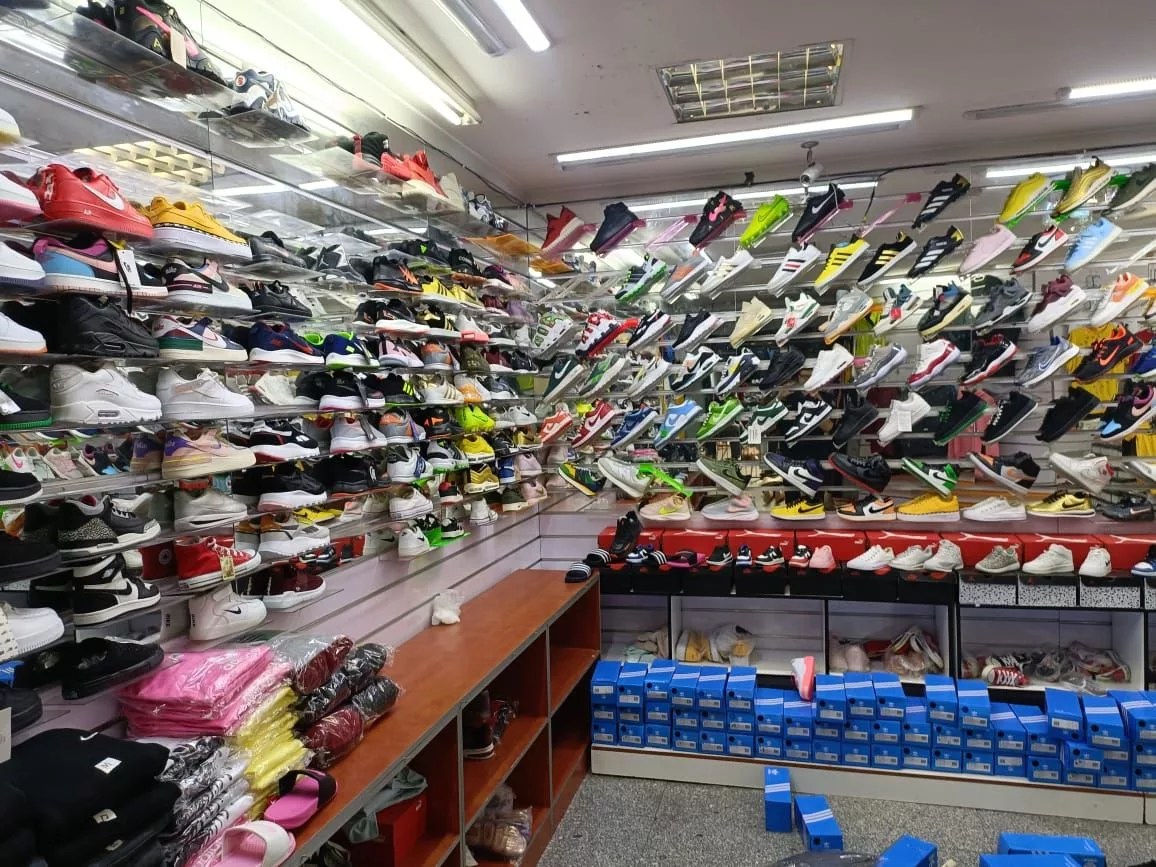
South Africa’s National Counterfeit unit, in partnership with various entities, has confiscated counterfeit items worth over R300 million in five months. The fight against counterfeit products is a covert war that involves untangling a complex web of transport vehicles, production machinery, and illegal items. The unit’s relentless pursuit of justice and integrity is safeguarding brand reputation, consumer rights, and enforcing the law. Every victory is a step forward in this ongoing struggle against counterfeit products.
South Africa’s National Counterfeit unit has seized counterfeit items valued at over R300 million in the past five months. The task force includes members from various specialized units, as well as officials from the South African Revenue Services, the Border Management Authority, and Brand Protectors. The sustained success signifies an important victory, but the fight against fake goods is far from finished.
Unmasking the Covert War Against Counterfeits
In the heart of bustling city centers and active markets, a hidden war is unfolding. This is not a clash characterized by explosions or gunfire, but rather a conflict fought with legality and brand reputation. The silent enemy in this war is the counterfeit industry, a murky world that has seeped into the most unsuspecting corners of commerce.
South Africa has been making substantial strides in its battle against counterfeit products, particularly in the past five months. The South African Police Service (SAPS), in partnership with a host of crime-fighting entities, has confiscated counterfeit items valued at over R300 million. This success came about after the establishment of the National Counterfeit unit in November of the previous year.
Executing this operation is no trivial task. It is comparable to untangling a complex spider’s web where each thread signifies a unique element of the crime – from the transport vehicles, the production machinery, to the actual phony items. To date, the devoted team has confiscated 31 vehicles involved in these unlawful activities and detained 23 suspects of diverse nationalities. The haul also included various manufacturing apparatus like sewing, embroidery, and silk-screening machines, used for producing anonymous knock-off items.
A United Front Against Counterfeit Industry
The National Counterfeit unit’s concerted takedown operation on 13th March 2024 showcased their unwavering determination. Through joint efforts, they managed to seize counterfeit items valued at more than R80 million in Bellville, Western Cape, and detain two suspects of Somalian origin.
The task force isn’t just composed of SAPS members from various specialized units, but also includes officials from the South African Revenue Services (SARS), the Border Management Authority (BMA), and Brand Protectors. This ensemble forms a robust alliance, a united front against this criminal syndicate.
During this singular operation, nearly 100,000 counterfeit products were seized, encompassing clothing, sports gear, footwear, bags, headwear, and fragrances. This staggering figure underscores the pervasiveness of counterfeit goods in society, spotlighting the enormity of the issue.
Relentless Pursuit of Justice and Integrity
In the week prior, a similar takedown operation was conducted in Johannesburg’s Central Business District, resulting in the confiscation of counterfeit items valued more than R9 million. These operations, in Johannesburg and Bellville, highlight the scale of the problem and the ceaseless pursuit of justice by the National Counterfeit unit and its allies.
As South Africa’s nationwide takedown operations persistently disassemble the counterfeit kingdom, the repercussions echo beyond the economy. It extends beyond revenue loss; it’s about safeguarding the reputation of brands, defending consumer rights, and enforcing the law.
The sustained success of these operations signifies an important victory. However, the fight against fake goods is far from finished. It’s an ongoing struggle, a vigilant resistance against those who dare to violate industries, deceive consumers, and disregard the sanctity of copyrights and trademarks. This fight isn’t only represented by the sounds of handcuffs fastening, machinery being confiscated, or counterfeit apparel rustling — it’s fought with resolve, unity, and an unwavering dedication to justice.
Every Victory Is a Step Forward
In this hidden war, each confiscated item, every arrest, and every triumph, regardless of its size, brings us closer to a future where originality is honored, creativity is safeguarded, and counterfeiting is merely a distant memory.
1. What is the National Counterfeit unit in South Africa?
The National Counterfeit unit in South Africa is a task force that includes members from various specialized units, as well as officials from the South African Revenue Services, the Border Management Authority, and Brand Protectors. Its aim is to fight against counterfeit products and safeguard brand reputation, consumer rights, and enforcing the law.
2. What is the scale of counterfeit products in South Africa?
The scale of counterfeit products in South Africa is significant, with the National Counterfeit unit confiscating counterfeit items valued at over R300 million in the past five months. During a single operation in Bellville, Western Cape, nearly 100,000 counterfeit products were seized, encompassing clothing, sports gear, footwear, bags, headwear, and fragrances.
3. How does the National Counterfeit unit operate?
The National Counterfeit unit operates by untangling a complex spider’s web of transport vehicles, production machinery, and illegal items. To date, the team has confiscated 31 vehicles involved in these unlawful activities and detained 23 suspects of diverse nationalities. The haul also included various manufacturing apparatus like sewing, embroidery, and silk-screening machines, used for producing anonymous knock-off items.
4. What are some of the entities involved in the fight against counterfeit products in South Africa?
Some of the entities involved in the fight against counterfeit products in South Africa include the South African Police Service, the South African Revenue Services, the Border Management Authority, and Brand Protectors. These entities form a robust alliance, a united front against this criminal syndicate.
5. What are the goals of the fight against counterfeit products in South Africa?
The goals of the fight against counterfeit products in South Africa include safeguarding the reputation of brands, defending consumer rights, and enforcing the law. It’s an ongoing struggle, a vigilant resistance against those who dare to violate industries, deceive consumers, and disregard the sanctity of copyrights and trademarks.
6. What does every victory in the fight against counterfeit products represent?
Every victory, regardless of its size, in the fight against counterfeit products represents a step forward towards a future where originality is honored, creativity is safeguarded, and counterfeiting is merely a distant memory.