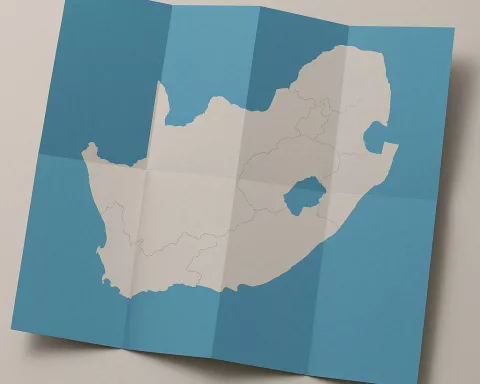
Every year in South Africa, the national budget is presented with great ceremony, marking the start of lively debates about how the country’s money should be spent. This process has three main steps: setting economic goals, dividing funds between national and local governments, and deciding exactly how each department will use its share. Lawmakers from all over the country weigh in, making sure the money is shared fairly and wisely. Finally, the President signs the budget into law, turning plans into action that affect everyday lives. This yearly ritual shows democracy in motion, where people’s voices help shape the nation’s future.
How is South Africa’s National Budget Process Structured?
South Africa’s national budget process involves three key steps:
1. Presentation of the Fiscal Framework and Revenue Proposals outlining economic forecasts and spending limits.
2. Approval of the Division of Revenue Bill distributing funds among national, provincial, and municipal governments.
3. Passage of the Appropriation Bill detailing specific departmental allocations, followed by presidential assent.
Setting the Stage: The Budget’s Annual Return
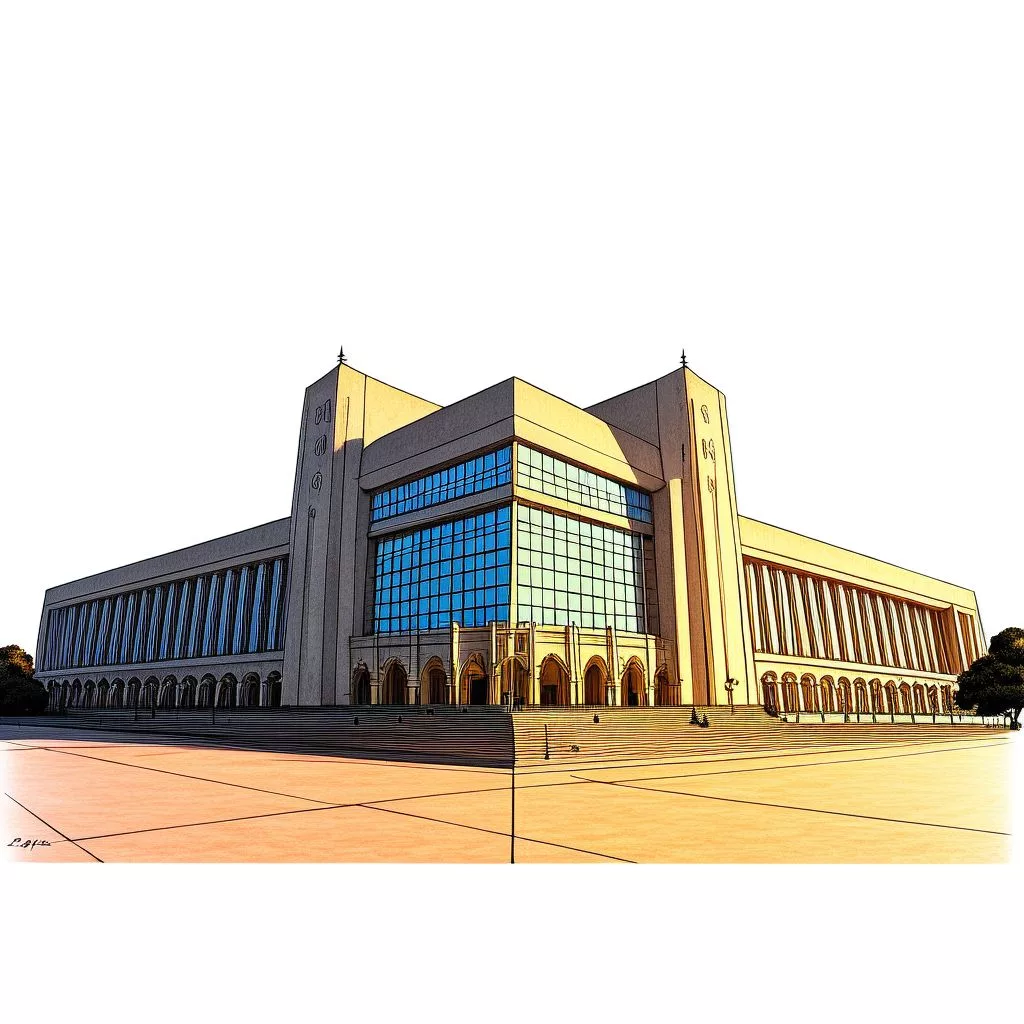
Each February, Parliament in Cape Town transforms into a stage for one of South Africa’s most significant and ritualized political performances: the national budget presentation. This highly anticipated event signals the start of months of discussion, negotiation, and decision-making that will shape the nation’s priorities for the coming year. The process draws together lawmakers, civil servants, and citizens, all invested in how the government will collect and allocate public funds.
On budget day, the Minister of Finance steps before the National Assembly, carrying with him three vital documents that will dictate the fiscal year’s course: the Fiscal Framework and Revenue Proposals, the Division of Revenue Bill, and the Appropriation Bill. Each of these texts serves a unique purpose and lays the groundwork for the careful management of South Africa’s resources.
The budget’s presentation is more than a mere administrative act. It is the opening scene in an elaborate process that balances ambition and oversight, reflecting a legacy of constitutional design and the ongoing struggle between various levels of government to secure funding for their unique needs.
Unpacking the Foundation: Fiscal Framework and Revenue Proposals
The Fiscal Framework and Revenue Proposals provide the blueprint for the entire budgeting process. Here, the government lays out its view of the national economy, predicting revenue collections, outlining planned levels of borrowing, and capping how much it intends to spend. The framework shapes the direction of policy, taking into account domestic and global economic conditions, affordability, and the pressing social and developmental needs of the country.
Members of Parliament engage in rigorous debate over these proposals. They scrutinize the government’s assumptions about economic growth, revenue targets, tax policies, and expenditure ceilings. The conversation blends economic theory with the practical realities of governance, ensuring that the framework reflects both fiscal discipline and the nation’s wider ambitions.
By law, Parliament must finalize the Fiscal Framework within sixteen days of its introduction. This tight deadline instills a sense of urgency, compelling lawmakers to focus on the big picture before delving into more detailed planning. The urgency also reflects the need for a stable, predictable fiscal environment, which is vital for effective governance and public service delivery.
Sharing the Wealth: The Division of Revenue Bill
Once the Fiscal Framework has approval, attention turns to the Division of Revenue Bill. This legislation determines how much money each sphere of government – national, provincial, and municipal – will receive. The division process is fundamental to South Africa’s constitutional arrangement, which seeks to balance central authority with regional autonomy and meet the specific needs of diverse communities.
Debates at this stage often recall classic arguments about decentralization. Lawmakers weigh the need for national priorities against the requirements of provinces and municipalities, where service delivery – such as education, healthcare, water, and infrastructure – directly affects people’s daily lives. These discussions highlight the ongoing challenge of distributing resources fairly, transparently, and in a manner that recognizes the different capacities and challenges faced by each region.
The Division of Revenue Bill thus becomes a battleground of ideas, with representatives championing their constituencies’ interests and advocating for allocations that reflect local realities. The process ensures that each area’s needs influence the final outcome, reinforcing the principle that democracy thrives on regional representation and responsiveness.
Allocating the Money: The Appropriation Bill and the Role of the NCOP
With the broad allocations set, Parliament proceeds to the Appropriation Bill, which details how much each government department and program will receive. This bill, rooted in Section 77 of the Constitution, is the legislative tool that gives the government the authority to spend public money. Each allocation – referred to as a “Vote” – represents strategic choices about national priorities and the realization of policy goals.
The National Assembly debates the Appropriation Bill, examining the specifics of each Vote, and then passes the bill to the National Council of Provinces (NCOP) for further scrutiny. Here, the NCOP plays a critical role as a defender of provincial interests. Its [Select Committee on Appropriations ](https://capetown.today/south-african-parliament-readies-for-year-end-whats-on-the-agenda/)meticulously reviews the bill, considering the impact on provinces and raising issues from the ground – be it the needs of rural clinics, under-resourced schools, or communities lacking essential infrastructure.
Members and delegates in the NCOP participate in lively debates, bringing with them stories and insights from across the country. After committee review, the entire chamber discusses the details, with each province having equal say through its delegates. The NCOP may suggest amendments, but cannot enforce them; should the Council reject the bill, it returns to the National Assembly, which retains the final say. This dynamic ensures a robust system of checks and balances, reinforcing both parliamentary sovereignty and provincial voice.
The Final Act: Enactment, Oversight, and International Leadership
Once both the National Assembly and the NCOP have completed their work, the Appropriation Bill moves to the President for signature. With this final step, the budget becomes law, empowering departments to spend in accordance with Parliament’s instructions. The process reaffirms the principle that the power to spend public funds ultimately belongs to the people’s elected representatives – a cornerstone of democratic governance.
The budget approval process, with its transparency, debate, and layered oversight, demonstrates how public finances can be managed in an accountable and participatory manner. It keeps government responsive to the needs of citizens and ensures that no single authority can allocate resources unchecked.
South Africa’s Parliament also participates in global forums, reflecting its status as a player in the international community. Hosting events such as the P20 Speakers’ Summit, Parliament brings together legislative leaders from the world’s major economies, reinforcing the importance of legislative oversight and sharing its experience in balancing national and provincial interests.
Living Democracy: The Ongoing Work of Parliament
Parliament’s budget process is not a one-off event, but a continuous, evolving conversation. Lawmakers, such as Ms. Dereleen Elana James of ActionSA, bring their experience and commitment to committees on everything from Correctional Services to Social Development, bridging the gap between policy and the needs of ordinary citizens. Through their work, abstract numbers become real programs that affect people’s lives.
Visitors to Parliament witness not only the grandeur of its halls but also the energy of a living institution. Debates echo, votes tally, and the machinery of democracy moves forward. The annual approval of the national budget reminds the nation that democracy is sustained by participation, oversight, and a shared commitment to the public good.
Through this careful choreography – rooted in history, tradition, and constitutional principle – South Africa’s Parliament enacts one of its most vital responsibilities: ensuring that the nation’s resources serve the many, not the few, and that the will of the people continues to shape the destiny of the state.
FAQ: Understanding South Africa’s National Budget Process
1. What are the main steps involved in South Africa’s national budget process?
South Africa’s national budget process follows three key steps:
– Setting the Fiscal Framework and Revenue Proposals: This step outlines economic forecasts, expected revenue, borrowing plans, and spending limits.
– Division of Revenue Bill: This legislation allocates funds among the national, provincial, and municipal governments, balancing national priorities with regional and local needs.
– Appropriation Bill: This bill details the exact allocations to government departments and programs. It is debated by Parliament’s National Assembly and the National Council of Provinces (NCOP) before the President signs it into law.
2. Why is the budget presentation considered a significant event in South Africa?
The annual budget presentation, held every February in Parliament, is more than a routine administrative task; it is a highly ritualized political event. It marks the start of months-long debates involving lawmakers, civil servants, and citizens, setting the tone for how public funds will be collected and spent. The event symbolizes democracy in action, reflecting the country’s constitutional principles and the collective effort to balance competing priorities for the nation’s development.
3. What is the purpose of the Fiscal Framework and Revenue Proposals?
The Fiscal Framework and Revenue Proposals serve as the blueprint for the entire budgeting process. They provide an economic outlook, estimate government revenue, set borrowing limits, and cap expenditures. This framework guides policy direction, considering both domestic and global economic conditions. Parliament must approve the framework within sixteen days of its presentation, ensuring timely, disciplined fiscal planning that supports effective governance.
4. How does the Division of Revenue Bill affect provincial and local governments?
The Division of Revenue Bill determines the distribution of funds among the three spheres of government – national, provincial, and municipal. It ensures that resources are shared fairly and transparently, addressing the varying needs and capacities of different regions. This division is crucial for delivering essential services such as education, healthcare, and infrastructure, directly impacting citizens’ daily lives. The Bill embodies South Africa’s constitutional commitment to decentralization and regional representation.
5. What role does the National Council of Provinces (NCOP) play in the budget process?
The NCOP acts as a key defender of provincial interests during the budget process. After the National Assembly passes the Appropriation Bill, the NCOP scrutinizes it thoroughly, with its Select Committee on Appropriations reviewing allocations and their impact on provinces. The NCOP debates the details, suggests amendments, and ensures that local realities – such as rural clinics or under-resourced schools – are considered. While it cannot enforce changes if it rejects the bill, its review provides an essential check and balance in the budgeting process.
6. How does the national budget process demonstrate democratic governance in South Africa?
The budget process exemplifies democracy through transparency, participation, and oversight. Lawmakers debate economic goals and priorities openly, citizens have opportunities to influence discussions, and multiple institutions – including Parliament’s two houses and the Presidency – play roles in approving and enacting the budget. This layered scrutiny ensures accountability in public spending and reflects the principle that government resources belong to the people. Additionally, South Africa’s Parliament shares its experience internationally, highlighting its commitment to legislative oversight and democratic values.
If you’d like to learn more about South Africa’s parliamentary work or recent budget debates, visiting the official Parliament website or trusted news sources is recommended.