The Last Seed: A Call to Action for Seed Sovereignty and Sustainable Agriculture in Africa

1 min read
seed sovereignty sustainable agriculture

Seed sovereignty is a crucial issue facing small-scale farmers and communities in Africa. The Last Seed is a timely and important film that explores the impact of seed patenting on farmers and their livelihoods. This article will discuss the film’s key themes and its call to action for sustainable agriculture.

Seed Sovereignty and the Right to Control Seeds

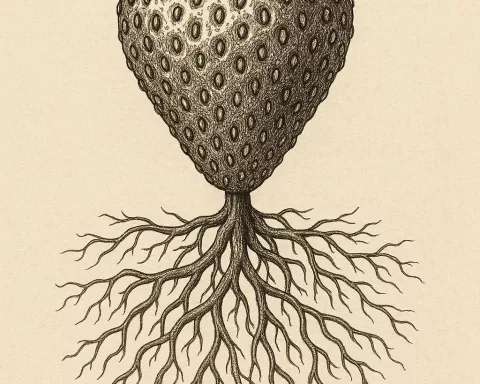
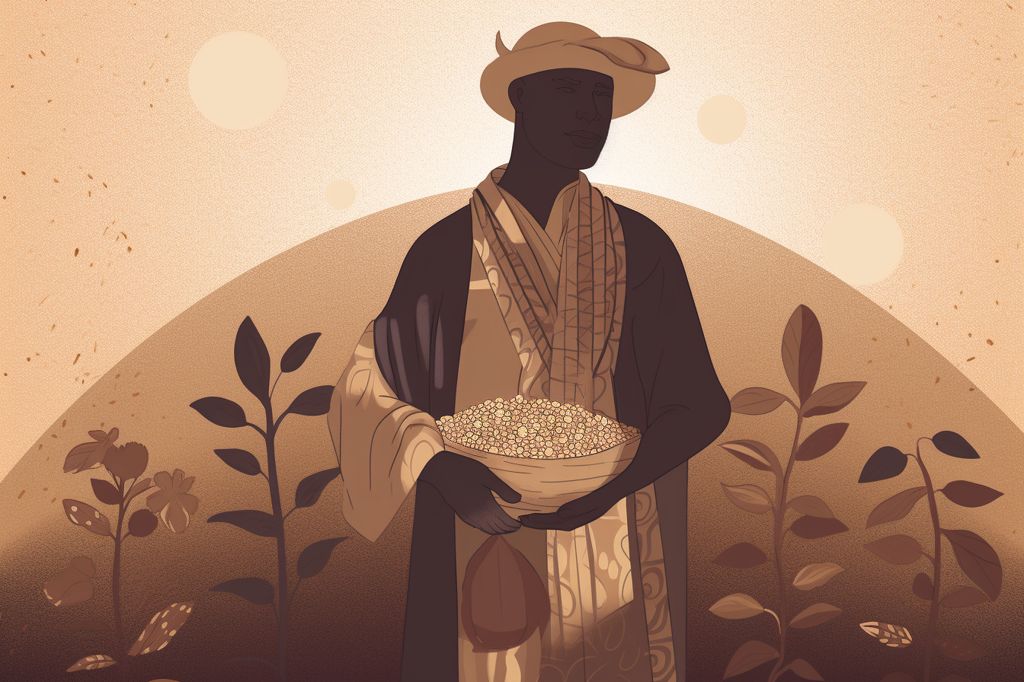
Seed sovereignty is the right of farmers and communities to save, exchange, and sell their seeds without facing legal or financial barriers. The Last Seed highlights how multinational corporations have been given the power to patent seeds in Africa. Farmers can only save, exchange, or sell seeds if they face legal action. The film shows how this has profound implications for food security and the livelihoods of small-scale farmers. However, the film demonstrates how farmers fight against seed patenting and reclaim their right to control their seeds.

Newsletter

Stay Informed • Cape Town

Get breaking news, events, and local stories delivered to your inbox daily. All the news that matters in under 5 minutes.

Join 10,000+ readers
No spam, unsubscribe anytime

Agroecology: A Sustainable Farming Approach

The Last Seed also touches on the impact of climate change on agriculture and the need for resilience in farming practices. The farmers featured in the film are practicing agroecology, a farming approach that prioritizes biodiversity, soil health, and the use of local resources. This approach is particularly effective in adapting to climate change, allowing farmers to adapt to changing weather patterns and extreme weather events. By focusing on agroecology, the film provides a positive vision of the future of agriculture: sustainable, resilient, and just.

Educational Resources and Call to Action

In addition to the film, The Last Seed has a range of educational resources available on its website, including a discussion guide, a seed sovereignty toolkit, and a teacher’s guide. These resources are designed to help people engage with the issues raised in the film and take action in their communities. The Last Seed is more than just a film; it is a call to action for all of us to take responsibility for the future of our food systems.

The Last Seed is a powerful and influential film that raises awareness about Africa’s modern-day food and agriculture crises. Through its compelling narrative and beautiful visuals, the film offers a unique perspective on the delicate balance between humanity and the planet. In addition, the film’s exploration of seed sovereignty and agroecology provides a positive vision for the future of agriculture. The Last Seed is a must-see for anyone interested at the end of our food systems and the critical need for change.

Kagiso Petersen is a Cape Town journalist who reports on the city’s evolving food culture—tracking everything from township braai innovators to Sea Point bistros signed up to the Ocean Wise pledge. Raised in Bo-Kaap and now cycling daily along the Atlantic Seaboard, he brings a palpable love for the city’s layered flavours and even more layered stories to every assignment.

Leave a Reply

Your email address will not be published.

Previous Story

Bulls Daisies: South Africa’s First Professional Women’s Rugby Team

Next Story

Maputaland Community Radio107.6 FM: A Lifeline for the Community

Latest from Blog

Forty Metres of Air: The Morning Kiteboarding Rewrote Physics

Hugo Wigglesworth, a young kiteboarder, defied gravity and rewrote the record books by soaring an incredible 40 meters into the air. He used powerful winds, a perfectly timed jump off a wave, and special gear to achieve this amazing feat. His careful planning and hundreds of practice runs made him fly higher than anyone before, showing the world what’s possible in kiteboarding.

Airbnb Under Fire: How Cape Town’s Housing Crunch Became a Tourism Blame-Game

Cape Town’s housing woes are NOT really Airbnb’s fault, even though a viral photo tried to blame them! The real problem is that not enough homes are being built, and lots of new people are moving to the city. Getting building permits takes forever, making homes expensive. Airbnb brings in lots of money and jobs, and even if all Airbnbs disappeared, it wouldn’t fix the big housing shortage. The city needs to build more homes and make it easier to do so, not just point fingers at tourists.

Cape Town’s Hottest Tables: Where Summer Tastes Like Salt, Smoke and Midnight Vinyl

Cape Town’s new restaurants are super exciting, offering amazing tastes from the ocean, farms, and even old recipes. Places like Amura serve unique sea dishes, while Tannin has a huge wine list and tiny plates. Café Sofi bakes heavenly pastries, Beach Buns makes awesome burgers, and Le Bistrot de JAN mixes French and South African flavors. These spots let you taste the city’s lively food scene, from fancy dinners to casual beach eats, making every meal an adventure.

Between Concrete and Current – Four Inland Hearts Meet the Indian Ocean

This article tells a beautiful story of four South Africans from inland places who see the Indian Ocean for the very first time. For many, the sea is just a picture, far away and hard to reach. But when these brave people finally touch the salty water, it changes them deeply. They feel the ocean’s power, taste its salt, and understand that this huge, blue world is now a part of their own story, breaking down old ideas about who can connect with the sea.