The Limpopo-Gauteng bullet train is South Africa’s first high-speed train, set to connect Pretoria to Musina and cut travel time from over five hours to just 90 minutes. This fast, modern train will link cities and towns, boost trade, create jobs, and bring new opportunities to many people. Though building it faces challenges like protecting nature and funding, the project shines as a bright symbol of hope, progress, and unity for the country’s future. South Africans are excited to see this dream turn into a speedy reality that can change lives.
What is the Limpopo-Gauteng bullet train and why is it important for South Africa?
The Limpopo-Gauteng bullet train is South Africa’s first high-speed rail project connecting Pretoria to Musina. It will reduce travel time from over five hours to 90 minutes, boost economic growth, improve regional connectivity, and promote social and environmental development across northern provinces.
A Dream Takes Shape in the Heart of South Africa
In southern Africa’s warm embrace, transformation tends to unfold slowly—sometimes hinted at through promises, and other times, as now, arriving with the charged energy of a bullet train. South Africa’s venture into high-speed rail, long a vision on the distant horizon, is finally coming into focus. The Limpopo-Gauteng bullet train, after years of debate and anticipation, is transitioning from hopeful speculation to the earliest stages of reality.
Pretoria’s storied rail yards, where the clang of metal and the scent of oil evoke decades of tradition, now stand as silent witnesses to this impending shift. The country’s recent announcement in 2023 that construction would soon begin on a high-speed rail system sent a current of excitement through every sector. Headlines splashed across newspapers, radio stations filled airtime with spirited discussions, and South Africans from all walks of life weighed in on its promise and perils. For many, the bullet train represents more than a technical milestone—it stands as a beacon of progress, unity, and economic revival.
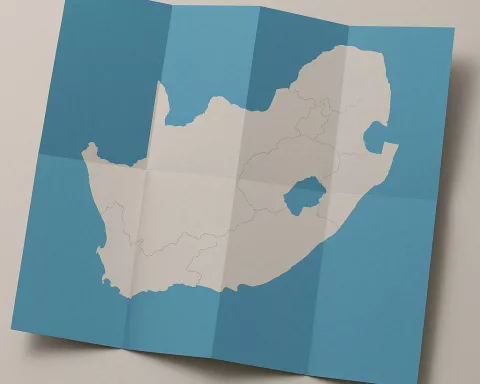
The proposed Limpopo-Gauteng line isn’t just a new track—it’s a lifeline connecting communities and cities that have long felt isolated by geography and time. The route will cut north from Pretoria through Hammanskraal, Bela-Bela, Mokopane, Louis Trichardt, and finally to Musina, weaving together the region’s diverse landscapes and populations. What once required more than five hours on the road—from Pretoria to Polokwane—will soon become a brief 90-minute journey. While the trains may not yet reach the breakneck speeds of their Asian counterparts, their projected cruising velocity of over 200 km/h will nonetheless usher in a new era for South African travel and society.
Navigating Challenges: Environment, Land, and Investment
Launching a project of this scale involves more than just laying tracks. The first hurdle comes in the form of environmental stewardship. Since the middle of 2025, diverse teams of engineers, ecologists, and local leaders have undertaken comprehensive feasibility and environmental assessments. While largely unseen by the public, these assessments play a pivotal role: they guide the project toward solutions that minimize ecological disruption and maximize benefits. Balancing progress with the protection of the land’s unique ecosystems remains a delicate, ongoing process.
Social negotiation adds another layer of complexity. The landscape between Pretoria and Musina is a mosaic of privately owned properties, communal farmlands, and ancestral territories. Acquiring land for the new railway requires more than legal agreements; it demands careful negotiation, cultural sensitivity, and the willingness to honor histories and traditions deeply rooted in the soil. In a nation still healing from the wounds of apartheid, every kilometer of track must reckon with the significance that land holds for its people.
Financial demands further anchor the project. The Department of Transport, under Minister Barbara Creecy’s leadership, has expressed unwavering commitment to seeing the vision realized. However, the bullet train’s ambitious scope calls for creative and robust funding strategies. To meet the necessary budget, the government must orchestrate a blend of public support, private investment, and international partnerships. China has signaled interest, echoing its involvement in other African infrastructure projects. The massive Johannesburg-Durban train proposal, with its staggering R530 billion cost, serves as a sobering benchmark, reminding stakeholders of both the opportunities and the risks involved.
Strategic Vision: Connecting the Nation Through Rail
Within the government’s broader strategy, the Limpopo-Gauteng bullet train marks just the first step. Officials envision a sweeping expansion of high-speed and commuter rail service by 2030. For example, the current Gautrain network, limited to 80 kilometers, will eventually stretch to 230 kilometers. Transport planners also aim to revitalize freight movement and restore urban rail capacity to accommodate the needs of a rapidly growing population. Targets include raising Transnet’s freight throughput from 149 million to 250 million tonnes annually, and enabling PRASA to serve 600 million passengers each year.
This vision did not emerge overnight. The high-speed rail idea first appeared in 2010, championed by then-Minister Sibusiso Ndebele. It lingered in the background for nearly a decade before President Cyril Ramaphosa revived it in his 2019 State of the Nation Address. The 2022 National Rail Policy White Paper then provided the necessary policy framework, and by late 2023, the Cabinet had officially approved high-speed corridors linking Johannesburg to Durban, Polokwane, Musina, and Mbombela. These routes are designed to knit together South Africa’s dispersed urban centers, fostering economic integration and national cohesion.
Of all the proposed routes, the Johannesburg-Durban line sparks particular enthusiasm, promising a direct challenge to domestic airlines and the prospect of reshaping regional commerce. Yet, the Limpopo-Gauteng line, with its potential to open up the northern provinces, carries its own unique excitement. This new artery promises to fuel trade, tourism, and cultural exchange, offering new opportunities for communities that have long felt left behind.
Overcoming Doubt and Inspiring Change
Skepticism remains a persistent shadow over such grand ambitions. South Africa’s history with large infrastructure projects is mixed, often marred by delays, inflated costs, and political disputes. Memories of unfulfilled promises linger in the public consciousness. However, the movement on feasibility studies and the planned start of construction in 2026 offer renewed hope. Government officials now act with a sense of urgency, recognizing that the stakes go far beyond their own political legacies—they touch the very future of national mobility and opportunity in a society where distance has too often divided families, businesses, and dreams.
The bullet train’s significance reaches beyond technical innovation. Trains have always captured the human imagination, from the steam locomotives of Victorian England to Japan’s bullet trains—each era’s railways have powered dreams and shaped destinies. In South Africa, rail lines have mirrored the nation’s social divisions, yet they have also offered the promise of connection and renewal. The high-speed train now stands as both a literal and symbolic vehicle for change, inviting questions about access, equity, and the reshaping of lives and landscapes.
Communities along the proposed line are already looking ahead with anticipation. Entrepreneurs see new markets opening before them, educators imagine students traveling to distant universities, and families talk of weekend visits that would have once seemed impossible. While hope is mixed with caution, the prevailing mood is one of optimism—there is a growing sense that this time, the vision will translate into tangible progress, not just empty rhetoric.
Innovation, Connection, and the Promise of a New Era
Realizing such a transformative project will demand fresh skills and bold thinking from South Africa’s engineers, planners, and builders. Working in collaboration with experienced global firms, local experts stand to gain not only the technical know-how but also the inspiration for future projects. If all goes well, this bullet train could serve as the foundation for an expanded high-speed rail network that one day reaches beyond South Africa’s borders, linking the wider region.
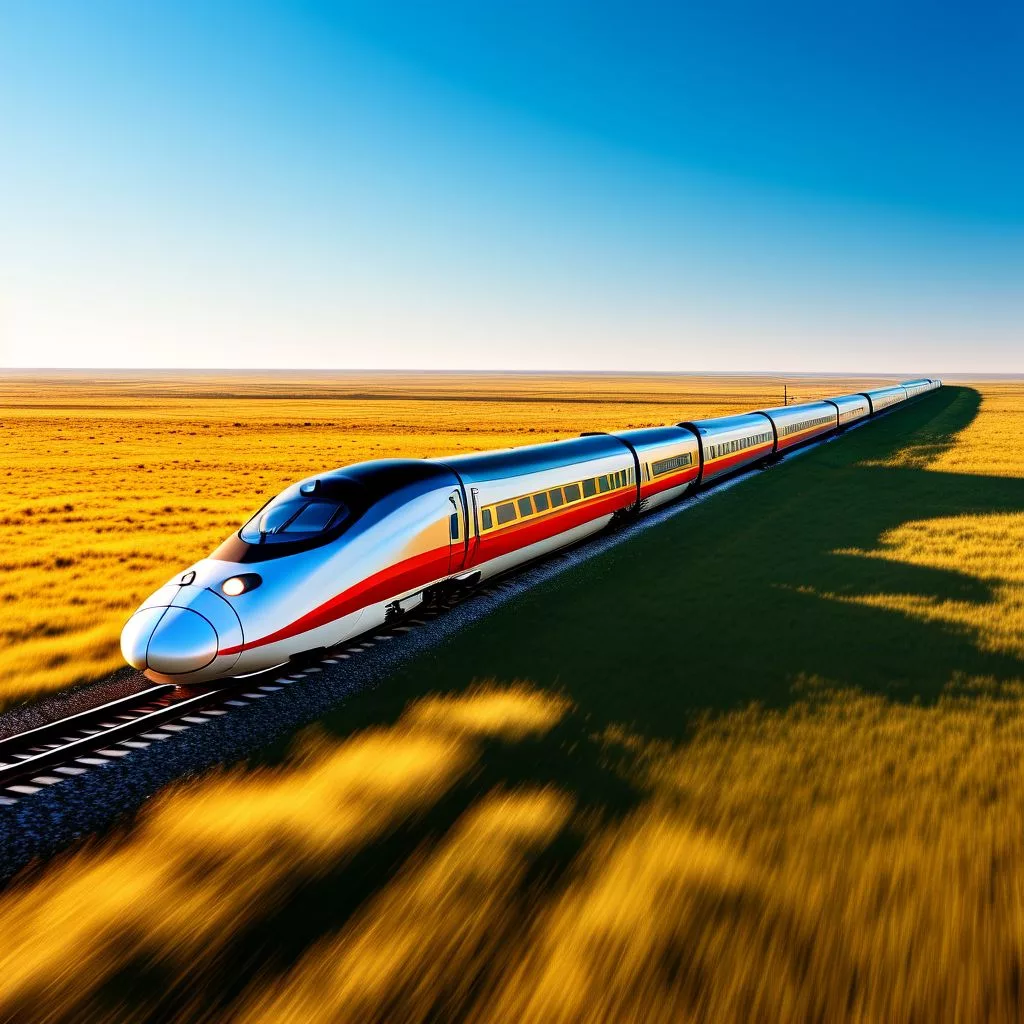
Major shifts like this come rarely, and when they do, they alter the course of history. The Limpopo-Gauteng bullet train promises to be such a turning point—a bold leap into modernity for a nation that has often struggled to overcome the obstacles of distance, division, and delay. As excitement builds from boardrooms to classrooms and from cities to rural towns, the people of South Africa await the moment when the sleek train will streak across the plains, carrying with it the hopes, ambitions, and potential of a continent on the move.
FAQ: Limpopo-Gauteng Bullet Train Project
What is the Limpopo-Gauteng bullet train and why is it important for South Africa?
The Limpopo-Gauteng bullet train is South Africa’s first high-speed rail project, designed to connect Pretoria with Musina in the northern Limpopo province. It will reduce travel time from over five hours to just 90 minutes. This train is important because it will boost economic growth, improve regional connectivity, create jobs, and promote social and environmental development. By linking cities and towns along the route, it aims to foster trade, tourism, and cultural exchange, ultimately contributing to national unity and progress.
Which cities and towns will the bullet train connect along its route?
The bullet train will start in Pretoria and travel northwards through several key stops, including Hammanskraal, Bela-Bela, Mokopane, Louis Trichardt, and finally Musina near the Zimbabwe border. This route weaves together diverse landscapes and communities in the northern provinces, opening up opportunities for trade and mobility in areas that have traditionally been isolated.
What are the main challenges facing the construction of the Limpopo-Gauteng bullet train?
Several significant challenges must be addressed:
– Environmental protection: Comprehensive assessments are underway to minimize ecological disruption and preserve unique ecosystems along the route.
– Land acquisition: The railway will cross private properties, communal lands, and ancestral territories, requiring culturally sensitive negotiations that respect South Africa’s complex history.
– Funding: The project demands substantial investment. The government is exploring creative financing through public funds, private investors, and international partnerships (including interest from China). Balancing cost and scope remains a critical hurdle.
When is construction expected to begin, and what is the government’s long-term vision for high-speed rail in South Africa?
Construction is planned to start around 2026 after thorough feasibility and environmental studies. The Limpopo-Gauteng bullet train marks the first phase of a broader strategy to expand South Africa’s high-speed and commuter rail services by 2030. Future plans include extending the Gautrain network, revitalizing freight rail capacity, and establishing high-speed corridors connecting major cities such as Johannesburg, Durban, Polokwane, and Mbombela. The vision aims to integrate urban centers, boost economic activity, and improve mobility for millions.
How will the bullet train impact local communities and the South African economy?
The bullet train is expected to significantly benefit local communities by creating jobs during construction and operation, facilitating access to education and markets, and encouraging investment and tourism. Faster travel times will connect people to new economic opportunities and services, helping to reduce regional disparities. The project also symbolizes national progress and unity, offering hope for a more integrated and prosperous South Africa.
How does the Limpopo-Gauteng bullet train fit into the broader context of African and global rail infrastructure development?
South Africa’s bullet train initiative aligns with a growing trend across Africa to modernize transport infrastructure and improve regional connectivity. Similar projects, often supported by international partners like China, seek to enhance trade corridors and mobility across the continent. Globally, high-speed rail is recognized for its efficiency and environmental benefits compared to road and air travel. South Africa’s project could serve as a model for other nations, potentially spearheading a regional high-speed rail network that links Southern African countries and stimulates continental development.
If you have more questions about the Limpopo-Gauteng bullet train or related transport projects, feel free to ask!