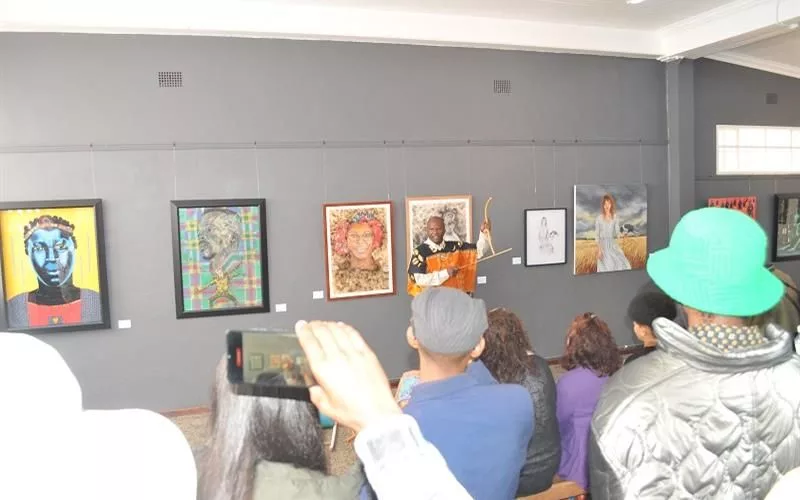
A new exhibition in Woodstock, called “Abantu Abasha”, showcases the skills and innovation of 20 up-and-coming artists while emphasizing the commercial aspect of the art sector. The exhibition functions as the climax of an inventive capacity-building training initiative and offers a platform for networking opportunities. The theme prompts artists to address social issues through their creations and cultivates a community characterized by shared experiences and collective growth. Visits to the exhibition are strictly by appointment only.
What is “Abantu Abasha” exhibition in Woodstock?
“Abantu Abasha” is an annual art exhibition in Woodstock, showcasing the skills and innovation of 20 up-and-coming artists and serving as a tribute to the City’s Department of Community, Arts and Culture Development’s dedication to nurturing fresh artistic talent. The exhibition emphasizes both the artistic and commercial aspects of the art sector, providing a platform for networking opportunities and a practical application of business principles acquired during the program. The theme prompts artists to address social issues through their creations and cultivates a community characterized by shared experiences and collective growth.
The Artistic Heart of Woodstock and The Lab’s Unique Exhibition
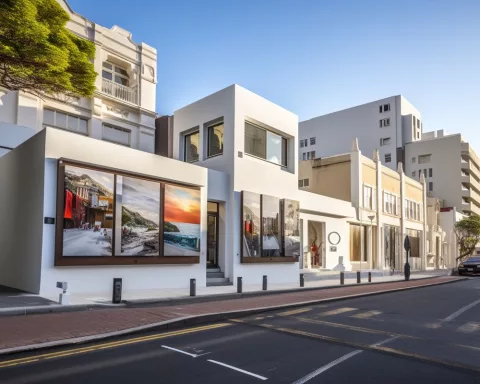
Nestled in the heart of Woodstock, a dynamic district renowned for its artistic vibrancy, The Lab currently plays host to an extraordinary art exhibition. This annual display commends the skills and innovation of 20 up-and-coming artists, serving as an enthusiastic tribute to the City’s Department of Community, Arts and Culture Development’s dedication to nurturing fresh artistic talent. The exhibition, which began on 22 April and runs until 3 May, functions not merely as a passive showcase of artistry but as the climax of an inventive capacity-building training initiative.
The Dual Curriculum: Artistry and Business
The fledgling artists participating in the program have been tasked with a double-edged curriculum. Their learning journey has not only involved refining their artistic abilities but also comprehending the commercial aspect of the artistic sector. This dual focal point acknowledges the frequently harsh truth that triumphing as an artist involves more than just creating mesmerizing work; it equally demands an understanding of how to steer through the art market.
“Abantu Abasha” – A New Breed of Artists and Their Creative Endeavor
Branded “Abantu Abasha“, translating to ‘a new generation’, the exhibition serves as a joint effort, offering both a practical application of the business principles acquired during the program and a platform for networking opportunities. The theme provokes artists to plunge into self-introspection, traverse the complicated passageways of their individual psychology, and reemerge with artwork that symbolizes their personal experiences.
This artistic journey was meticulously curated by Richard Kilpert and Devon Anderson, who collaborated closely with the participating artists. The result is a rich mosaic that intertwines various viewpoints and artistic expressions. Every piece stands as a demonstration of the artists’ capacity to not only manifest their unique talent but also address social issues through their creations.
Artistic Expression, Social Commentary and Community Building
As Councillor Patricia van der Ross, the Mayoral Committee Member for Community Services and Health, insightfully indicated, “Art is a wonderful medium to express talent, but also to comment on social issues.” The exhibition goes beyond merely presenting artwork—it promotes a dialogue between the artists, cultivating a community characterized by shared experiences and collective growth.
Acknowledging the artists’ dedication and uncensored self-expression, van der Ross articulated her pride in their eagerness and the level of commitment they showcased throughout the capacity-building initiative. She expressed her gratitude to the participating artists for their teamwork and wished them prosperity in their forthcoming artistic ventures.
Visiting the Exhibition and the Testament to Emerging Talents
Located at 14 Clyde Street, The Lab welcomes visitors from Monday to Friday, from 10:00 a.m. to 3:00 p.m., and on Saturdays from 10:00 a.m. to 2:00 p.m. The exhibition, however, remains closed on Sundays. For those intrigued to immerse themselves in this artistic exhibition, visits are strictly by appointment only.
The “Abantu Abasha” exhibition provides a peek into not only the artistic competence of these emerging talents but also the prospective future of the art world. It illustrates how talent, when properly nurtured and equipped with the right implements, can flourish into something genuinely extraordinary. This display is a joyous commemoration of art, creativity, and human spirit, reminding us that art is not just an embodiment of beauty but also a medium for dialogue, a trigger for transformation, and a potent reflection of society.
What is the “Abantu Abasha” exhibition in Woodstock?
“Abantu Abasha” is an annual art exhibition in Woodstock showcasing the skills and innovation of 20 up-and-coming artists. The exhibition emphasizes both the artistic and commercial aspects of the art sector, providing a platform for networking opportunities and a practical application of business principles acquired during the program.
Where is the exhibition held and what are the timings?
The exhibition is held at The Lab, located at 14 Clyde Street, Woodstock. The timings are from Monday to Friday, from 10:00 a.m. to 3:00 p.m., and on Saturdays from 10:00 a.m. to 2:00 p.m. The exhibition remains closed on Sundays. Visits are strictly by appointment only.
What is the dual curriculum for artists participating in the program?
The artists participating in the program are tasked with a double-edged curriculum. Their learning journey involves refining their artistic abilities and comprehending the commercial aspect of the artistic sector. This dual focus acknowledges the harsh truth that triumphing as an artist involves more than just creating mesmerizing work. It demands an understanding of how to navigate through the art market.
What is the theme of “Abantu Abasha” exhibition?
The theme of the exhibition prompts artists to address social issues through their creations and cultivates a community characterized by shared experiences and collective growth. It encourages artists to dive into self-introspection, traverse the complicated passageways of their individual psychology, and emerge with artwork that symbolizes their personal experiences.
How does the exhibition promote community building?
The exhibition goes beyond merely presenting artwork. It promotes a dialogue between the artists, cultivating a community characterized by shared experiences and collective growth. It provides a platform for networking opportunities and offers a practical application of business principles acquired during the program.
Who curated the exhibition and what is the result?
The exhibition was curated by Richard Kilpert and Devon Anderson, who collaborated closely with the participating artists. The result is a rich mosaic that intertwines various viewpoints and artistic expressions. Every piece stands as a demonstration of the artists’ capacity to not only manifest their unique talent but also address social issues through their creations.