The National Sea Rescue Institute: An Essential Resource for Public Safety

1 min read
nsri public safety

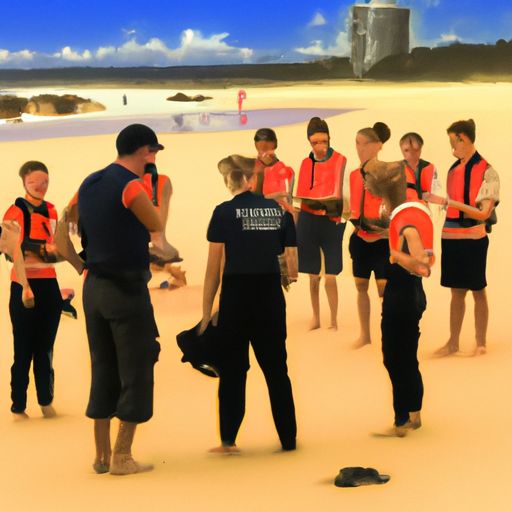
The National Sea Rescue Institute (NSRI) is a nonprofit organization that has been instrumental in saving countless lives across South Africa’s coastal areas. With over 1,000 highly trained volunteers, the NSRI responds to emergencies at sea, including drowning incidents, boat accidents, and marine wildlife rescues. The organization’s mission is to prevent loss of life on the coast and inland waters, providing a vital service to the country’s coastal communities.

The Importance of Surveillance Measures in Ensuring Public Safety

The NSRI’s recent rescue of a young boy at Strand Beach is a testament to the importance of surveillance measures in ensuring public safety at beaches and other water bodies. The incident serves as a powerful reminder of the dangers of rip currents and the need for prompt action in emergencies. In addition, the NSRI’s efficient utilization of installed cameras and well-trained personnel highlights the significance of having robust emergency response teams.

Newsletter

Stay Informed • Cape Town

Get breaking news, events, and local stories delivered to your inbox daily. All the news that matters in under 5 minutes.

Join 10,000+ readers
No spam, unsubscribe anytime

Lezhae Snyders, the NSRI’s emergency operations camera operator, played a pivotal role in ensuring the boy’s safety. After spotting the boy on the camera, her quick response allowed the lifeguards to save his life. This incident showcases the commendable collaboration and resource utilization by the NSRI team members, emphasizing the significance of having well-trained personnel in emergency response teams.

The NRI’s Ongoing Efforts to Keep Beaches Safe

The NSRI knows how important it is to keep working to ensure safe beaches and seaside places. The group has cameras at sites with dangerous rip currents, like Strand Beach, Blouberg Beach, Herolds Bay, and Buffels Bay in the Western Cape. The NSRI wants to put more cameras in different places in the Western Cape and KwaZulu-Natal by the end of the year.

However, to ensure the proper functioning of these cameras, the NSRI requires more volunteers to operate them. The organization will train these volunteers to use the cameras, while the emergency operations center will always be ready to help should a volunteer need guidance. Public participation in keeping our beaches and coastal areas safe is paramount in the NSRI’s efforts, and the organization’s dedication to this cause is truly admirable.

In conclusion, the NSRI is an essential resource for public safety, providing a vital service to the country’s coastal communities. The organization’s efficient use of cameras and well-trained personnel showcases the importance of having robust emergency response teams in place to ensure public safety. In addition, the NSRI’s ongoing efforts to keep beaches and coastal areas safe are a testament to the dedication of its volunteers and their commitment to saving lives.

Tumi Makgale is a Cape Town-based journalist whose crisp reportage on the city’s booming green-tech scene is regularly featured in the Mail & Guardian and Daily Maverick. Born and raised in Gugulethu, she still spends Saturdays bargaining for snoek at the harbour with her gogo, a ritual that keeps her rooted in the rhythms of the Cape while she tracks the continent’s next clean-energy breakthroughs.

Leave a Reply

Your email address will not be published.

Previous Story

Community Takes Action to Improve Health Care Services in Cape Town

Next Story

Tebaldi’s at Temenos Chef Christiaan Campbell Regenerates an Old Favourite

Latest from Blog

Forty Metres of Air: The Morning Kiteboarding Rewrote Physics

Hugo Wigglesworth, a young kiteboarder, defied gravity and rewrote the record books by soaring an incredible 40 meters into the air. He used powerful winds, a perfectly timed jump off a wave, and special gear to achieve this amazing feat. His careful planning and hundreds of practice runs made him fly higher than anyone before, showing the world what’s possible in kiteboarding.

Airbnb Under Fire: How Cape Town’s Housing Crunch Became a Tourism Blame-Game

Cape Town’s housing woes are NOT really Airbnb’s fault, even though a viral photo tried to blame them! The real problem is that not enough homes are being built, and lots of new people are moving to the city. Getting building permits takes forever, making homes expensive. Airbnb brings in lots of money and jobs, and even if all Airbnbs disappeared, it wouldn’t fix the big housing shortage. The city needs to build more homes and make it easier to do so, not just point fingers at tourists.

Cape Town’s Hottest Tables: Where Summer Tastes Like Salt, Smoke and Midnight Vinyl

Cape Town’s new restaurants are super exciting, offering amazing tastes from the ocean, farms, and even old recipes. Places like Amura serve unique sea dishes, while Tannin has a huge wine list and tiny plates. Café Sofi bakes heavenly pastries, Beach Buns makes awesome burgers, and Le Bistrot de JAN mixes French and South African flavors. These spots let you taste the city’s lively food scene, from fancy dinners to casual beach eats, making every meal an adventure.

Between Concrete and Current – Four Inland Hearts Meet the Indian Ocean

This article tells a beautiful story of four South Africans from inland places who see the Indian Ocean for the very first time. For many, the sea is just a picture, far away and hard to reach. But when these brave people finally touch the salty water, it changes them deeply. They feel the ocean’s power, taste its salt, and understand that this huge, blue world is now a part of their own story, breaking down old ideas about who can connect with the sea.